
How To
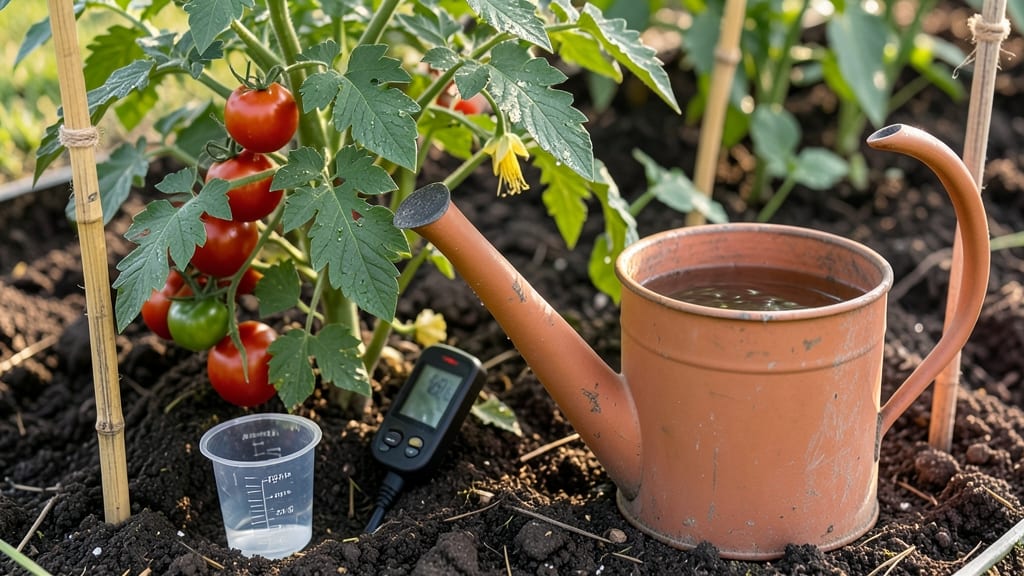
Tomato plants require 1 to 2 inches of water weekly to thrive, but getting it right isn’t just about the amount—it’s about timing, soil, and even the stage of growth.
Struggling to keep your tomato plants thriving? Overwatering or underwatering can turn your lush vines into sad, wilted stems—fast. The right watering routine isn’t just guesswork; it’s science-backed precision.
Young seedlings need gentle, frequent moisture, while flowering and fruiting plants demand deeper, less frequent soaks. Too much water drowns roots, while too little stunts growth—both can leave you with blossom drop or cracked fruit.
Below, I’ll break down the 1-inch weekly rule, how to adjust for your climate, and the 5 key signs your tomatoes are thirsty (or drowning). Let’s fix that guesswork for good.
The 1-Inch weekly watering rule: how to measure tomato plant water needs
Tomatoes are thirsty plants—too little water causes blossoms to drop, while too much drowns roots and invites disease. The 1-inch weekly rule is your golden standard, but mastering it takes more than just measuring rain.
Let’s break down how to apply it like a pro, from soil checks to climate tweaks.
First, understand that 1 inch of water per week includes both rainfall and irrigation. Use a rain gauge or a simple tuna can buried 2 inches deep near your plants to track accumulation.
If you get 0.75 inches from rain, you only need to add 0.25 inches more from your hose or watering can.
| Growth Stage | Water Needs (inches/week) | Climate Adjustments | Key Tips |
|---|---|---|---|
| Seedlings | 0.5–1 inch | Cool/humid: Reduce by 20% | Keep soil consistently moist (not soggy) |
| Vegetative (leafy growth) | 1–1.5 inches | Hot/dry: Increase by 30% | Water deeply 2x/week vs. light daily |
| Flowering/Fruiting | 1.5–2 inches | Wind: Add 10% to prevent evaporation | Focus on root zone (avoid wetting foliage) |
| Mature (late season) | 1–1.25 inches | Rainy: Reduce by 50% to avoid rot | Taper off 2 weeks before harvest |
Your soil type dramatically changes water needs. Sandy soil drains fast—you might need to water daily in summer—while clay holds moisture longer, requiring every 3–4 days. Stick your finger 2 inches deep; if it’s dry, water until moisture reaches 6 inches down.
Hot, dry climates demand morning watering to reduce evaporation and fungal risks. In humid areas, water early in the day to let foliage dry before night. Avoid overhead watering—it spreads disease. Instead, use a soaker hose or drip irrigation to deliver water directly to roots.
One of the biggest mistakes? Shallow watering. A light sprinkle encourages shallow roots. Instead, aim for deep, infrequent watering—think of it as giving your tomatoes a long drink rather than a quick sip. This builds drought-resistant roots and prevents blossom-end rot.
Watch for soil crusting or puddling, which signals overwatering. Healthy soil should crumble easily when dry and hold moisture without sitting in water. If your tomatoes’ leaves curl upward during the day but recover at night, they’re thirsty.
If they wilt permanently, it’s often root stress from inconsistent watering.
Container-grown tomatoes dry out 30–50% faster than in-ground plants. Check containers daily in summer—if the top inch of soil feels dry, water thoroughly. Mulch heavily (2–3 inches of straw or shredded leaves) to lock in moisture and keep roots cool.
Pro tip: Group tomatoes with other thirsty plants like peppers or cucumbers to create a microclimate that retains moisture. And always water at the base of the plant, not the leaves, to prevent fungal diseases like early blight.
Remember, the 1-inch rule is a baseline. Adjust based on your local climate, soil type, and container size. With practice, you’ll develop a sixth sense for when your tomatoes need a drink—no guesswork required! 🌱💧☀️
5 Clear signs your tomato plants need more (or less) water
Tomato plants are sensitive to water stress, and their leaves tell the story long before fruit quality suffers. Wilting, yellowing, or cracked stems aren’t just random—these are SOS signals. I’ve learned the hard way that ignoring them leads to blossom drop or soggy roots.
First, check the soil moisture with your finger. Stick it 1-2 inches deep—if it’s dry, your plants need water. If it’s muddy, you’ve overdone it. The key is consistent moisture, not a daily sprinkle.
Here’s the pros-cons-box to quickly diagnose your tomato plant’s water needs:
Tomato Plant Water Needs
✅ More Water Needed
- Wilting leaves (even in morning)
- Dry, crispy leaf edges
- Soil pulls away from pot edges
- Fruits shrivel or stay small
❌ Too Much Water
- Yellowing leaves (bottom-up)
- Mushy, black stems at base
- Fungal spots on foliage
- Roots smell rotten
Fix It: Water deeply morning-only (1-2 inches/week). Adjust for climate and soil type.
If your leaves wilt by noon, it’s a water emergency. Give them a deep soak—aim for water reaching the root zone, not just the surface. For containers, check soil moisture daily in heatwaves; potted tomatoes dry out 3x faster than in-ground plants.
Yellow leaves? That’s overwatering 90% of the time. Stop watering for 2-3 days to let soil dry, then adjust your schedule. Mulch helps retain moisture without drowning roots—use straw or wood chips to keep soil 60-70°F.
Watch for cracked fruit too—this happens when plants get too much water after drought. Keep moisture steady, and avoid night watering to prevent fungal diseases like blight. A moisture meter ($15 at garden centers) saves guesswork.
Remember: Tomatoes hate soggy feet. If your plants look perfect but produce nothing, check your watering routine. The 1-inch weekly rule works, but your local climate and soil type tweak it. Now go check those plants—your harvest depends on it! 🌱