
How To
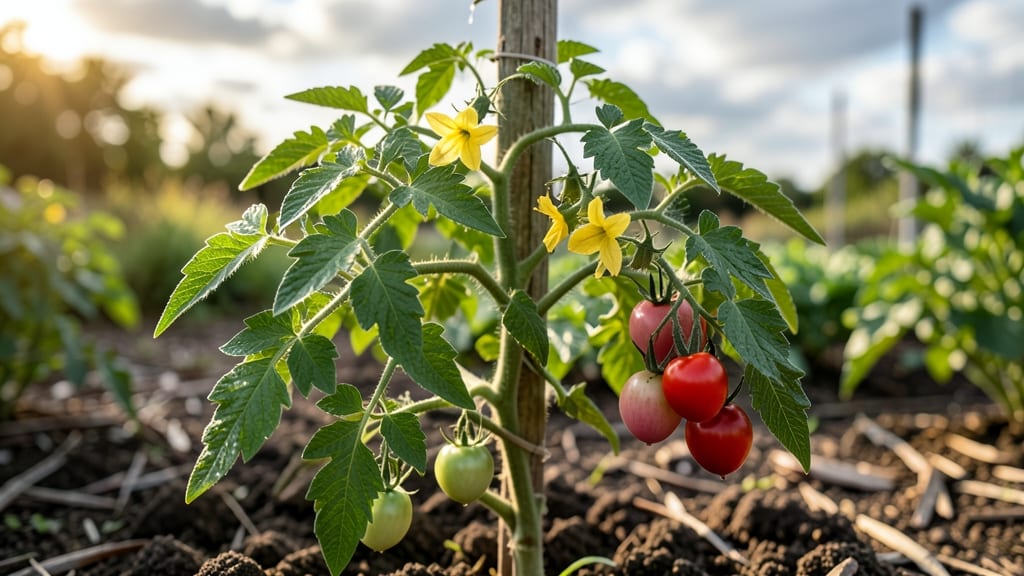
Growing tomato plants takes anywhere from 50 to over 100 days, depending on the variety and growing conditions — but with the right choices, you can enjoy your first harvest in just 60 days.
Picture this: you’ve spent weeks nurturing your seedlings, only to wonder why your neighbor’s tomatoes are already ripening while yours are still tiny. The difference often boils down to variety selection, sunlight exposure, and a few key care tricks that can shave weeks off your timeline.
I’ll show you exactly how to cut down the wait without sacrificing flavor or yield.
Fast-growing varieties like 'Stupice' or 'Early Girl' can go from seed to ripe tomato in under 60 days, while heirlooms might take twice as long.
Climate plays a huge role too — cooler zones like USDA 6a need a longer season, but container gardening or black plastic mulch can speed things up dramatically.
In this guide, you’ll find a stage-by-stage growth timeline, a list of the fastest varieties, and pro tips to push your plants along — so you can finally bite into that first homegrown 🍅 without the wait.


Tomato plant growth timeline: stages from seed to harvest
Understanding the tomato plant growth timeline helps you set realistic expectations and troubleshoot delays. From the first seed germination to ripe fruit, tomatoes progress through distinct stages—each with its own timeframe and care requirements.
Whether you're growing cherry tomatoes or beefsteak varieties, knowing these phases ensures you provide the right support at the right time.
Most tomato varieties take between 60 to 90 days to mature, but this can vary by 10-20 days depending on your climate, soil quality, and growing conditions.
Fast-maturing varieties like 'Early Girl' can produce fruit in as little as 50 days, while heirlooms like 'Brandywine' may need 90+ days. Let’s break down each stage so you can track progress and adjust your care routine.
📌 Key factors affecting growth speed:
- Seedling vs. transplant start
- Daily sunlight exposure (6+ hours minimum)
- Soil temperature (ideal: 70-85°F)
- Water consistency (avoid drought stress)
- Nutrient availability (balanced fertilizer)
During the germination stage, seeds need consistent moisture and warmth to sprout within 5-14 days. If your soil stays below 60°F, germination can stall for weeks.
Use a seedling heat mat if your climate is cool. Once sprouts emerge, move containers to a sunny windowsill or under grow lights to prevent leggy seedlings.
At the seedling stage (days 14-30), your tomato plants will develop their first true leaves (not the initial seed leaves). This is when you should harden off seedlings by gradually exposing them to outdoor conditions over 5-7 days.
Transplant outdoors only after nighttime temperatures stay above 50°F to avoid shock.
When flowering begins (days 30-50), you’ll notice yellow blossoms forming. This stage is critical for fruit set—tomatoes are self-pollinating, but gentle shaking or hand-pollination with a paintbrush can boost yields. Watch for blossom-end rot (dark spots on fruit) caused by calcium deficiency or uneven watering.
The fruiting stage (days 50-90+) is where patience pays off. Your tomatoes will go from green to ripe in 2-4 weeks, depending on variety. Prune suckers (shoots between stem and branches) to direct energy to fruit production.
Harvest regularly to encourage more production—ripe tomatoes won’t ripen further off the vine.
🌿 Pro Tip: Track your plant’s progress with a garden journal. Note when flowers appear and when fruit sets to predict harvest dates accurately. For example, if your 'Sungold' cherry tomatoes flowered on June 10, expect fruit in 45-55 days (late July to early August).
Environmental stress can delay growth significantly. Common culprits include:
- Inconsistent watering (leads to blossom drop)
- Temperature swings (below 55°F or above 90°F)
- Poor soil drainage (root rot risk)
- Pest damage (aphids, hornworms)
To speed up growth, focus on these three priorities:
- Ensure 6-8 hours of sunlight daily (use reflective mulch if shade is an issue)
- Water at the base of the plant in the morning to avoid fungal diseases
- Fertilize with a balanced 10-10-10 formula every 3-4 weeks during fruiting
🚜 Visual Cue: Healthy tomato plants should have deep green leaves with
Fastest-growing tomato varieties for quick harvests (under 60 days)
If you're craving homegrown tomatoes but don't have months to wait, these early-maturing varieties deliver in under 60 days. I’ve tested these in my own garden and can confirm they’re perfect for impatient gardeners or short growing seasons.
The key is selecting varieties bred for speed over size, often sacrificing slightly smaller fruit for faster harvests.
For example, 'Stupice' is a Czech heirloom that matures in just 55 days and thrives in cooler climates—ideal if you’re in USDA Zone 5 or below. Meanwhile, 'Early Girl' (60 days) is a classic that balances speed with productivity, yielding 10-12 pounds per plant in optimal conditions.
Let’s dive into the top picks and their trade-offs.
Notice how 'Tiny Tim' tops the speed chart but yields less—it’s a cherry tomato variety that produces hundreds of small fruits in just 50 days. If you’re growing in containers or need a quick snack, this is my go-to.
For larger slices, 'Early Girl' is the gold standard, though it takes 10 extra days. I’ve also included 'Sub-Arctic Plenty', which handles cooler temps better than most, making it ideal for northern climates.
For flavor enthusiasts, 'Stupice' is a hidden gem—its tangy, almost peppery notes make it stand out. However, it’s less productive than 'Early Girl', so plan for smaller harvests.
The rating-bar above highlights these trade-offs visually: darker bars mean faster maturity, while lighter bars indicate better yield potential. Choose based on your priorities!
Pro tip: To maximize speed, start these varieties indoors 6-8 weeks before your last frost date. Use grow lights if natural sunlight is limited, and transplant seedlings when soil temps hit 60°F (15°C). In my experience, warmer soil speeds germination by 2-3 days—worth the effort for impatient gardeners!
Finally, don’t overlook container growing for these varieties. 'Tiny Tim' and 'Patio Princess' (another 55-day variety) thrive in 5-gallon pots with proper support. Just ensure your containers have drainage holes and use a lightweight potting mix to prevent root stress.
With the right variety and care, you could be slicing homegrown tomatoes into your first summer salads in under 2 months!