
Companion Plants
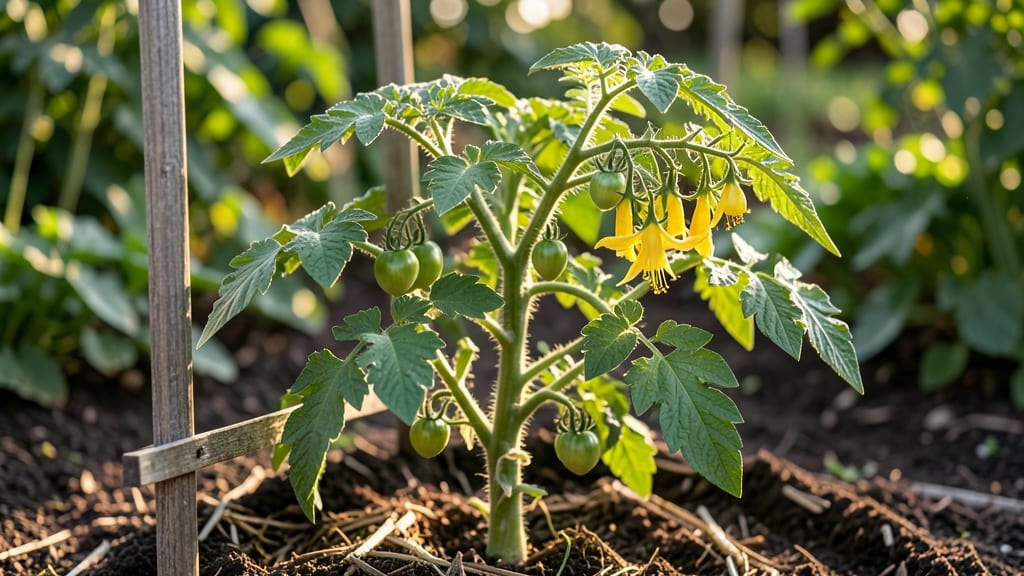
How long before tomato plants produce fruit depends on the variety, your growing zone, and how well you care for them—typically anywhere from 60 to 90 days after transplanting.
Picture this: you’ve spent weeks nurturing your seedlings, only to wonder why they’re still just leaves and no fruit. The truth is, determinate varieties (like bush tomatoes) often fruit faster—around 60-70 days—while indeterminate types (like vining heirlooms) can take up to 90 days or longer.
Sunlight, soil nutrients, and even watering habits play a huge role. Too little sun or inconsistent moisture can stall flowering, while the right balance speeds things up. I’ll break down the exact factors that make the difference between a fast harvest and a slow one.
You’ll also learn how to spot the signs of readiness (like that perfect deep color and slight give when you press) and pro tips to accelerate production, so you’re picking ripe tomatoes in record time.
Tomato plant timeline: days to harvest by variety (indeterminate vs determinate)
If you're eagerly waiting for those first ripe tomatoes, timing is everything! The days to harvest varies dramatically between indeterminate and determinate varieties. Indeterminate plants keep growing and producing fruit all season, while determinate varieties set all their fruit at once.
Let’s break down exactly what to expect from your favorite tomato types.
Most gardeners assume all tomatoes take the same time to produce, but the reality is far more nuanced. Cherry tomatoes like 'Sweet 100' might be ready in 55-60 days, while heirloom beefsteaks like 'Brandywine' can take 85-90 days.
The plant’s growth habit—whether it’s a bushy determinate or a vining indeterminate—plays a huge role in when you’ll see fruit.
Here’s the key difference: Determinate tomatoes produce all their fruit in one flush, typically within 60-75 days after transplanting. Indeterminate varieties, on the other hand, continue producing fruit until frost, with the first harvests appearing around 70-85 days but ongoing yields for months.
Your choice of variety—and whether you start from seed or transplant—will shift your timeline by 10-20 days.
🌱
For example, if you plant Sweet 100 cherry tomatoes (determinate) in early May, you could be harvesting in late June—just 60 days later. But if you choose 'Brandywine' (indeterminate), those first tomatoes might not appear until mid-July, but the plant will keep producing until frost.
This means you’ll have a longer harvest window with indeterminate types, even if the initial wait is longer.
Transplanting vs. starting from seed also shifts your timeline. Seed-started tomatoes often take 10-14 extra days to reach the transplant stage, so if you’re counting from seed, add those days to the variety’s listed harvest time.
For instance, a 60-day cherry tomato from seed might actually take 70-75 days if you start indoors.
One common misconception is that all tomatoes follow the same timeline. In reality, heirloom varieties often take 10-20 days longer than hybrid types due to slower maturation. If you’re growing in a cooler climate, like USDA Zone 4 or 5, expect another 2-3 weeks delay compared to warmer zones.
Always check the seed packet or plant tag for days to maturity—this is your best guide.
Pro tip: If you’re in a short-season area, opt for early-maturing determinate varieties like 'Stupice' or 'Mountain Merit' to maximize your harvest before frost. For longer seasons, indeterminate types like 'Sungold' or 'Black Cherry' will keep you in tomatoes all summer long.
The key is matching your variety to your climate and patience level!
☀️
Factors that speed up or delay tomato production (and how to control them)
Your tomato plants might look healthy, but if they're not producing fruit on schedule, the issue likely lies in one of these five critical factors: temperature, sunlight exposure, watering habits, soil nutrients, or stress triggers like pests or disease.
Each of these can either accelerate or delay your harvest by weeks—or even months—if left unchecked.
For example, indeterminate varieties like 'Sungold' can take 70-90 days to fruit, but if nighttime temperatures dip below 55°F (13°C), flowering slows dramatically. Meanwhile, determinate types like 'Roma' may produce faster—60-75 days—but only if they receive consistent afternoon sun and balanced nitrogen-phosphorus-potassium (NPK) ratios.
⚠️ callout-warning
Tomatoes need daytime temps between 70-85°F (21-29°C) and 6-8+ hours of direct sunlight daily. Below 50°F (10°C) or above 90°F (32°C), flowering halts completely. Even partial shade (e.g., afternoon clouds) can delay fruit set by 2-3 weeks.
Action: Use row covers for early-season protection or shade cloth (30%) in peak summer heat. Monitor your local heat units (growing degree days) to predict optimal pollination windows.
Let’s break down how to optimize each factor for faster production. Start with soil preparation: Tomatoes thrive in slightly acidic soil (pH 6.0-6.8) rich in organic matter.
A compost-amended bed with 1 cup of bone meal (for phosphorus) at planting time can cut flowering time by 10-15 days by boosting root development.
Watering is another sneaky delay culprit. Inconsistent moisture—like skipping water for a week then over-saturating—triggers blossom end rot, where fruits develop black, leathery patches. This condition alone can halt production for 3-4 weeks while the plant recovers.
Instead, aim for 1-1.5 inches of water per week, delivered deeply at the base in the morning to prevent fungal diseases.
Even with perfect conditions, nutrient imbalances can stall fruit development. Too much nitrogen (e.g., from fresh manure) promotes leafy growth but blocks flowering. Switch to a low-nitrogen, high-phosphorus fertilizer (5-10-10) when you see the first flower buds to encourage faster fruit set.
I’ve seen cherry tomato varieties like 'Sweet 100' produce 2 weeks earlier when fertilized this way.
Finally, stress from pests or disease can derail your timeline. Aphids and hornworms don’t just eat leaves—they damage flower clusters, reducing yield by up to 50%. Use neem oil or introduce ladybugs at the first sign of infestation.
For fungal issues like early blight, remove affected leaves immediately and space plants 18-24 inches apart for airflow.
By tackling these factors proactively, you can shave weeks off your harvest time—or troubleshoot delays before they become permanent setbacks. Start with a soil test and temperature journal to pinpoint exactly where your plants might be struggling. 🌱