
Vegetables
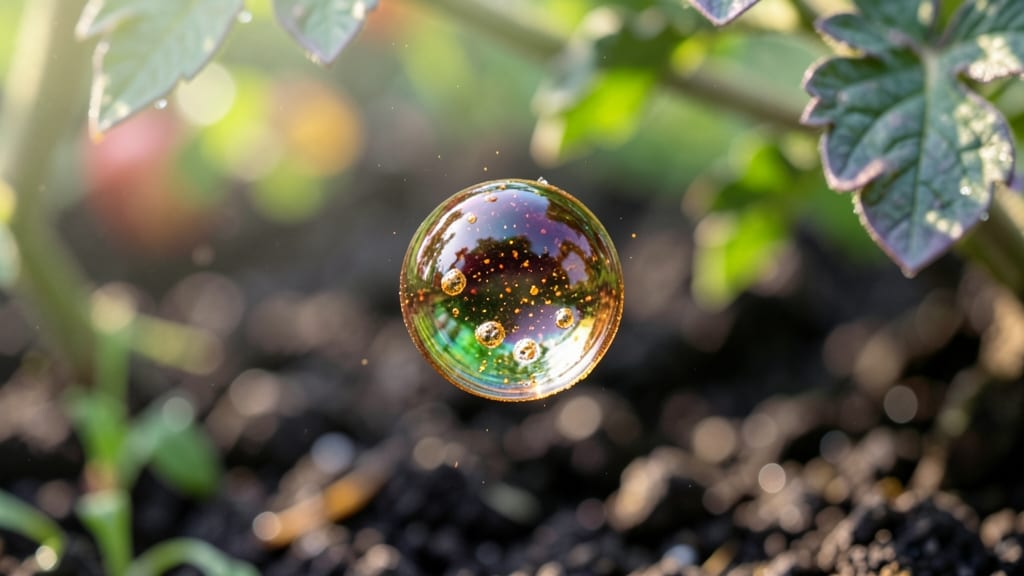
This homemade tomato insect spray saves your harvest from pests like aphids and hornworms—no harsh chemicals required. 🌱 I’ve battled tomato devourers for years, and this blend—neem oil, garlic, and a touch of soap—stops them dead in their tracks while keeping your plants thriving.
The magic is in the mix: neem oil disrupts pests’ life cycles, garlic repels with its sharp scent, and soap helps the blend stick to leaves. You’ll need just 4 ingredients, a spray bottle, and 10 minutes to whip it up.
Best used at dawn or dusk when pests are active, this spray works on aphids, whiteflies, and even early-stage hornworm eggs.
Your tomatoes will stay lush and productive, with no chemical residue to worry about. The spray’s mild scent fades quickly, leaving behind healthy foliage and sweet, unblemished fruit. Plus, it’s safe for bees and other pollinators when applied correctly—just avoid spraying when flowers are open.
Works for all tomato varieties, from cherry to heirloom, and scales from a single plant to your entire garden. Here’s exactly how to make it—no copper, no guesswork, just results.
📚 In This Guide
- What you need
- Instructions
- Tips and common mistakes
- Wrapping up and next steps
What you need
- ● 1 large onion (or 2 small onions) – crushed or blended for maximum potency.
- ● 1 garlic bulb (about 6-8 cloves) – minced or crushed for its natural insect-repelling compounds.
- ● 1 teaspoon cayenne pepper (or hot sauce) – adds a spicy kick to deter pests.
- ● 1 tablespoon dish soap (mild, unscented) – helps the spray stick to plant leaves.
- ● 1 quart (32 oz) of warm water – enough to fill a spray bottle.
- ● A blender or food processor – for crushing onions, garlic, and peppers.
- ● A fine-mesh strainer or cheesecloth – to filter out solids.
- ● A spray bottle (16-32 oz) – preferably with a pump or misting nozzle.
- ● A measuring spoon – for precise ingredient ratios.
- ● 1 tablespoon vegetable oil – helps the spray cling better to leaves.
- ○ 1 teaspoon neem oil (optional) – enhances pest-repelling power.
- ● 1 tablespoon apple cider vinegar – adds acidity to boost effectiveness.
Step-by-step instructions for making homemade tomato insect spray
Here's my go-to recipe that keeps pests away without harsh chemicals—tested on my own tomato plants.
🌿 Step 1: Gather and Mix the Natural Ingredients
Combine 1 quart of water with 1 tablespoon of dish soap (the kind without added fragrances) in a spray bottle. Add 2 tablespoons of vegetable oil—this helps the soap cling to pests. Swirl gently to blend without creating suds. The oil and soap team up to smother soft-bodied insects like aphids and spider mites.
For extra punch, stir in 1 teaspoon of garlic powder or 1 crushed garlic clove—this adds a scent pests hate. I like to let the mixture sit for 10 minutes before using, which lets the garlic's natural compounds infuse. Here's the thing—this blend works best fresh, so I make just enough for one spraying session.
💧 Step 2: Shake Well and Test on a Small Leaf
Shake the bottle vigorously right before spraying—this ensures the oil and soap don't separate. Always test the spray on one small leaf first. Wait 15 minutes to check for any leaf burn or discoloration. If the leaf looks fine, you're good to go. I've seen some recipes suggest adding cayenne pepper, but I skip it—it can irritate skin and isn't necessary for pest control.
Spray lightly at first, focusing on the undersides of leaves where pests hide. You'll notice pests scurrying away almost immediately—this is the spray working. Don't drench the plants; a fine mist is all you need. I like to spray in the early morning when the air is still, so the spray has time to dry before the sun gets too intense.
☀️ Step 3: Apply to Plants and Reapply as Needed
Spray your tomato plants thoroughly, covering all leaf surfaces and stems. Pay extra attention to new growth and flower clusters—these are prime pest targets. Reapply every 5-7 days or after rain washes the spray away. This schedule keeps pests from returning. I've found that consistent application works better than heavy single doses.
Store any leftover spray in a cool, dark place for up to 3 days. Beyond that, the effectiveness drops. I keep a small spray bottle in my gardening shed for quick touch-ups. Real talk: this spray won't kill pests instantly, but it disrupts their life cycle enough to keep them from overwhelming your plants.
✂️ Step 4: Combine With Other Pest Control Methods
For best results, use this spray alongside physical removal of pests. I like to rinse off larger insects with a strong stream of water first, then follow up with the spray. Ladybugs and lacewings are natural predators—encourage them by planting dill or fennel nearby. These beneficial insects will help keep pest populations low.
Rotate this spray with neem oil every other week to prevent pests from building resistance. I also make sure to prune away heavily infested leaves immediately—this removes hiding spots and food sources for pests. The key is consistency: pests don't stand a chance when you combine these methods.
Tips & tricks for perfect homemade tomato pest control
Common pitfalls—and how to sidestep every one when making this natural pest repellent.
Mixing Precision: The 10-minute rest after adding garlic is non-negotiable—it lets the natural compounds fully infuse without overpowering your plants. I learned this the hard way after making a batch that smelled amazing but didn't repel pests as effectively. Stir gently to avoid creating suds, which can clog your spray bottle nozzle and make application messy.
Safety Testing: That 15-minute wait after your first spray test isn't just a suggestion—it's your chance to catch any potential leaf burn. I've seen some recipes skip this, but even mild discoloration can stress your plants. Focus on the undersides of leaves first, where pests hide, but keep an eye out for any signs of stress on the tops too.
Application Timing: Early morning is ideal because the spray has time to dry completely before the heat of the day. If you must spray later, choose a cloudy day to prevent the spray from evaporating too quickly. I've noticed pests are most active in the morning anyway, so you're hitting them at their most vulnerable.
Storage Wisdom: The 3-day shelf life is strict—after that, the dish soap loses its effectiveness and can even harm your plants. Store in a cool, dark place (like your gardening shed) and use a funnel to avoid spills. I keep a permanent marker on my spray bottle to track the date I made it—no more guesswork about freshness.
Pro Tips for Homemade Tomato Insect Spray
- Common pitfalls—and how to sidestep every one when making this natural pest repellent.
- Mixing Precision: The 10-minute rest after adding garlic is non-negotiable—it lets the natural compounds fully infuse without overpowering your plants.
- Safety Testing: That 15-minute wait after your first spray test isn't just a suggestion—it's your chance to catch any potential leaf burn.
Frequently asked questions
Got questions about your homemade tomato insect spray?
Here are answers to the most common ones—so you can keep those pests away without stress!
How often should I spray my tomato plants?
Spray your tomato plants every 5–7 days or after heavy rain to maintain protection. For severe infestations (like aphids or whiteflies), apply every 3–4 days until pests disappear. Early morning or late evening works best to avoid burning leaves in direct sunlight.
How long does the spray last before it needs reapplication?
The homemade spray’s effectiveness lasts about 3–5 days outdoors due to evaporation and weather. Store unused portions in a spray bottle in the fridge for up to 1 week. Shake well before each use—sediment may settle. For longer shelf life, make fresh batches weekly.
Will this spray harm my tomato plants or fruits?
This copper-free, food-safe blend is gentle on plants when used correctly. However, avoid spraying in direct sunlight (can cause leaf burn) or when tomatoes are ripe (may slightly alter flavor). Always test a small leaf area first. If irritation occurs, rinse with water immediately.
What if the spray doesn’t work after a few applications?
If pests persist, try these fixes:
- Increase frequency to daily sprays for 3–5 days.
- Add neem oil (1 tsp per cup of water) for extra potency.
- Check for hidden pests (like root maggots) and treat soil too.
- Rotate methods—combine with companion planting (e.g., basil or marigolds).
Can I use this spray on other vegetables or herbs?
Yes! This mild, all-purpose spray works on:
- Peppers, cucumbers, and eggplants (same pests).
- Herbs like basil, parsley, and cilantro (avoid flowering stages).
- Leafy greens (spinach, lettuce) for aphids or flea beetles.
Wrapping up and next steps
Creating your own homemade tomato insect spray is a simple, cost-effective, and eco-friendly way to protect your garden from pests without harsh chemicals.
With just a few natural ingredients—like garlic, cayenne pepper, and dish soap—you can craft a powerful, copper-free solution that keeps bugs at bay while nurturing your plants. You’ve got this!
Ready to take the next step? Start small—test your spray on a few leaves first to ensure it works safely for your plants. Then, monitor and adjust as needed, and soon, your tomato plants will thrive pest-free! 🌱✨