
Plants
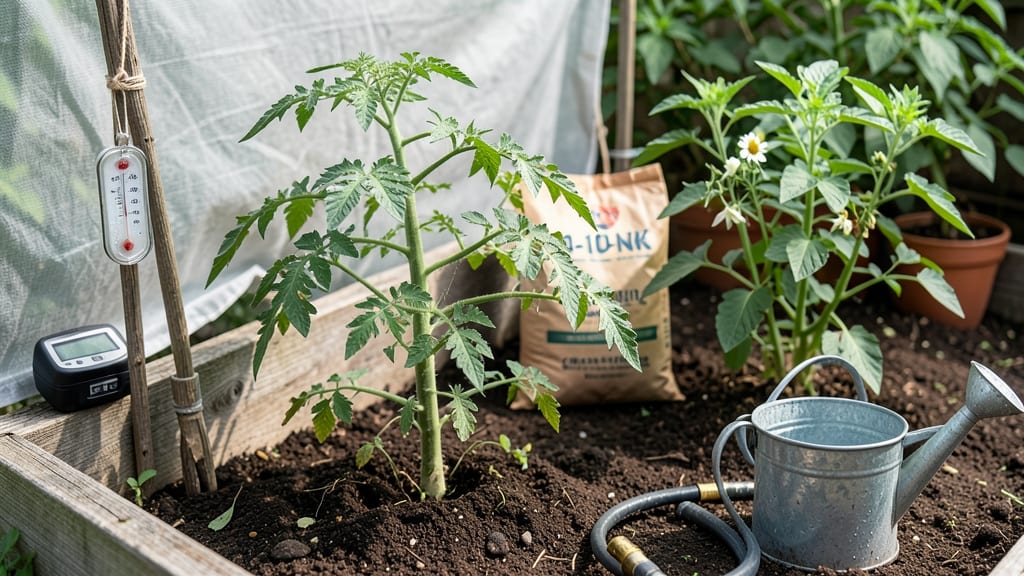
Your tomato plants are not flowering but are putting out leaves—that’s a classic sign they’re stuck in survival mode instead of fruit mode. 🌱 I’ve seen this happen when gardeners overdo the nitrogen, keep plants too cool, or rush transplanting—all mistakes I made my first summer growing tomatoes.
The good news is that fixing it is faster than you think, and often just takes tweaking one or two things.
The biggest culprits are usually too much shade, temperature swings, or over-fertilizing with nitrogen (the stuff that makes leaves grow like crazy but flowers? Not so much).
My plants finally started blooming after I moved them to a sunnier spot, cut back on the fertilizer, and made sure nights stayed above 55°F. Once you identify the root cause, the fix is simple and usually shows results within 7-10 days.
What you’ll end up with is a plant that shifts from leafy growth to flowering like crazy, then fruits within weeks. The key is patience—don’t panic if you don’t see instant results.
I’ve had plants bounce back from being completely bare-stemmed, so long as the roots are still healthy. The first sign of progress? Tiny yellow flower buds appearing at the leaf joints.
This works for tomato varieties—heirlooms, cherry, beefsteak—no matter your growing setup (containers, raised beds, or in-ground). The same tricks apply whether you’re dealing with a single plant or a whole garden full. Let’s get those flowers blooming!
Why it happens
When your tomato plants refuse to flower, it’s usually a sign that something fundamental is off—whether it’s their environment, health, or even their internal biology. Understanding the root causes (pun intended) helps you take precise action.
Below are the most common reasons your tomato plants are sitting pretty but not producing flowers—and what’s really going on behind the scenes.
🌡️ Temperature Extremes: Too Hot or Too Cold
Tomatoes are warm-season plants, meaning they thrive in specific temperature ranges. If daytime temps dip below 55°F (13°C) or nighttime temps fall under 50°F (10°C), they’ll pause flowering to conserve energy.
On the flip side, consistent heat above 90°F (32°C) can also trigger a condition called heat stress, where pollen production shuts down. This is why early-season or late-season tomatoes often struggle—even in sunny climates.
Actionable fix: Use row covers or shade cloth in extreme heat, and opt for heat-tolerant varieties (like ‘Solar Fire’ or ‘Heatmaster’) if you’re in a hot zone. For cold snaps, move potted plants indoors temporarily or extend the season with a greenhouse.
⚡ Inadequate Light: The Silent Flower Killer
Tomatoes need 6–8 hours of direct sunlight daily to trigger flowering. If your plants are in partial shade (from trees, buildings, or even dense foliage), they’ll focus on leaf growth instead of blooms. Low light also weakens stems and reduces photosynthesis, leaving plants energy-deprived.
Even indoor growers fall into this trap if their lights aren’t strong enough (LED grow lights should be 12–16 inches away for optimal results).
Actionable fix:
- ✅ Move plants to a south-facing window or supplement with a full-spectrum grow light (12+ hours/day).
- ✅ Prune nearby obstructions (like overgrown shrubs) to improve airflow and light penetration.
- ✅ Rotate pots weekly to ensure even light exposure.
💧 Watering Woes: Too Much or Too Little
Flowering is a metabolic process, and inconsistent watering throws it off. Drought stress causes plants to prioritize survival over reproduction, while overwatering (leading to root rot) disrupts nutrient uptake—both of which stall blooms. Tomatoes also need consistent moisture; fluctuating soil conditions confuse their hormonal signals, delaying flower initiation.
Actionable fix:
- 💧 Water deeply 1–2 times per week (early morning is best) to encourage deep root growth.
- 🌱 Use mulch (straw or wood chips) to retain moisture and regulate soil temp.
- 🚫 Avoid wetting leaves to prevent disease, which further stresses the plant.
🌱 Nutrient Imbalances: Too Much or Too Little of the Wrong Stuff
Tomatoes are heavy feeders, but excess nitrogen (common in fast-release fertilizers) promotes lush foliage at the expense of flowers. Conversely, deficiencies in phosphorus (P) or potassium (K) directly inhibit bloom formation.
Even micronutrient shortages (like calcium or magnesium) can cause blossom-end rot or weak stems, preventing flowers from setting fruit.
Actionable fix:
- 📊 Switch to a balanced fertilizer (like 5-10-10 or 10-10-10) when flowers appear, or use a phosphorus-rich supplement (bone meal or fish emulsion).
- 🌿 Side-dress with compost or worm castings for slow-release nutrients.
- 🚫 Avoid high-nitrogen fertilizers (like lawn fertilizers) once plants are established.
🐞 Pest & Disease Pressure: Hidden Stressors
Pests like aphids, whiteflies, and spider mites sap plant energy, while diseases (such as early blight or powdery mildew) clog stomata, reducing photosynthesis. When plants are chronically stressed by infestations, they delay flowering as a survival tactic. Even root-knot nematodes (microscopic worms) can stunt growth without obvious above-ground symptoms.
Actionable fix:
- 🔍 Inspect leaves daily for pests; use neem oil or insecticidal soap for mild infestations.
- 🌿 Improve air circulation with proper spacing (18–24 inches apart) to deter fungal diseases.
- 🌱 Rotate crops yearly to break pest/disease cycles in the soil.
🌿 Transplant Shock or Root Stress
If your tomato plants were recently transplanted (or even repotted), their roots may still be recovering. Root disturbance triggers a hormonal response that prioritizes regrowth over flowering. Even compacted or poor soil restricts root expansion, limiting nutrient and water uptake—both critical for bloom development.
Actionable fix:
- 🌱 Give transplanted plants 2–3 weeks to establish roots before expecting flowers.
- 🔨 Loosen soil gently around roots if it’s hard or waterlogged.
- 💧 Water thoroughly after transplanting to reduce shock.
Revive Your Tomato Plants Now
If your tomato plants are throwing a flowerless tantrum, don’t panic—there’s a fix for every frustration! Below, we’ve matched the most common causes to simple, actionable solutions. Follow these steps to coax those blossoms into blooming and set your garden up for a bountiful harvest. 🌸🍅
Tomatoes are temperature-sensitive divas—they need warmth to flower but won’t tolerate extreme heat or chilly drafts. If your plants are struggling, tweak their environment with these tricks:
- 🔥 Cool Down the Heat:
- Move potted plants to a spot with partial shade (especially in the afternoon).
- Use a lightweight shade cloth (30-50% coverage) to filter harsh sun.
- Mulch the soil with straw or grass clippings to keep roots cool.
- ❄️ Warm Up the Chill:
- Cover plants with a frost blanket or row cover at night if temps dip below 50°F (10°C).
- Use a grow light or heat mat for indoor plants to maintain 60-85°F (15-29°C).
- Pro Tip: 💡 If you’re in a hot climate, prune lower leaves to improve airflow and reduce stress.
- 🌡️ Prevention:
- Plant tomatoes after the last frost and in a location with full sun (6-8 hours/day).
- Choose heat-tolerant varieties like ‘Solar Fire’ or ‘Heatmaster’ if you live in a warm zone.
Too much or too little water can send tomato plants into a flowering blackout. Here’s how to hydrate them just right:
- 🚰 Drought Stress?
Water Deeply: - Soak the soil 1-2 inches deep (about 1-2 gallons per plant) 2-3 times per week. - Water early in the morning to reduce evaporation and fungal risks. - Use a drip irrigation system or soaker hose to deliver water directly to the roots.
- 🌊 Overwatering?
Let Them Dry Out: - Check soil moisture with your finger—if the top 1 inch is damp, wait before watering again. - Ensure pots have drainage holes to prevent root rot. - Pro Tip: 🔥 If your soil is soggy, hold off on watering for 2-3 days to let it dry slightly.
- 💧 Prevention:
- Use well-draining soil (mix in compost or perlite if needed).
- Avoid wetting the leaves to prevent diseases like blight.
Tomatoes need a balanced diet to flower and fruit. If they’re starving, give them a boost with these nutrient fixes:
Problem
Solution
🟢 Pale or yellow leaves (Nitrogen deficiency)
Apply a balanced fertilizer (10-10-10) or compost tea. Avoid over-fertilizing with nitrogen—it promotes leafy growth but stops flowers.
🔴 Purple stems or leaves (Phosphorus deficiency)
Use a high-phosphorus fertilizer (5-10-10 or bloom booster). Mix into the soil or apply as a foliar spray.
🟡 Weak, leggy growth (Potassium deficiency)
Add potassium-rich fertilizer (like banana peel tea or wood ash). Bananas are a natural source—blend peels into water and use as a soil drench!
- 💡 Pro Tip: For a natural boost, mix 1 tbsp of Epsom salt (magnesium sulfate) into a gallon of water and spray on leaves weekly. This helps with flower production!
- ✨ Prevention:
- Side-dress plants with compost every 4-6 weeks.
- Avoid synthetic fertilizers high in nitrogen—opt for organic options like fish emulsion or worm castings.
Tomato plants need breathing room to thrive. If they’re cramped or diseased, they’ll focus on survival instead of flowering. Try these fixes:
- 🌱 Prune for Airflow:
- Remove suckers (the small shoots between the stem and branches) to redirect energy to fruit production.
- Thin out leaves near the base to improve airflow and sunlight penetration.
- 🚜 Transplant if Needed:
- If seedlings were planted too close, gently transplant them to a larger pot or garden bed with 18-24 inches of spacing.
- 🛡️ Pest & Disease Check:
- Inspect for aphids, whiteflies, or fungal spots—these stress plants and halt flowering.
- Spray with neem oil or soapy water to deter pests. For fungal issues, use copper fungicide.
- 💡 Pro Tip: 🌡️ If your plants are root-bound, repot them into a larger container with fresh soil.
Tomatoes are sun worshippers—if they’re not getting enough light, they’ll skip the flower party. Adjust their setup with these tips:
- 🔦 Indoor Plants? Add Grow Lights:
- Use full-spectrum LED grow lights for 14-16 hours/day.
- Position lights 6-12 inches above plants and raise them as the plant grows.
- 🌞 Outdoor Plants? Check the Spot:
- Move plants to a sunnier location (south-facing is ideal in the Northern Hemisphere).
- If shade is unavoidable, choose compact or determinate varieties (like ‘Patio’ or ‘Tiny Tim’).
- ✨ Prevention:
- Rotate pots weekly to ensure even light exposure.
- Avoid placing plants near tall structures that cast shadows.
Sometimes, the issue is hidden in the soil. If your tomatoes are stubborn about flowering, a simple soil test can reveal the problem:
- 📊 Test Your Soil:
- Use a DIY soil test kit (available at garden centers) or send a sample to a local extension office.
- Aim for a pH of 6.0-6.8—tomatoes prefer slightly acidic soil.
- 🔄 Adjust pH if Needed:
- Too acidic (below 6.0)? Add lime to raise pH.
- Too alkaline (above 7.0)? Mix in sulfur or peat moss to lower pH.
- 💡 Pro Tip: 🌱 Compost tea can improve soil health naturally—brew it with worm castings or aged compost!
Frequently asked questions
Why are my tomato plants growing leaves but no flowers?
This is usually caused by too much nitrogen (leafy growth fertilizer) or environmental stress like inconsistent temperatures or insufficient sunlight. Tomato plants prioritize survival over reproduction when they're not getting enough warmth (55°F+ days, 50°F+ nights) or light (6-8 hours of direct sun).
Can I fix my tomato plants if they've been like this for weeks?
Yes! Start by adjusting their care immediately. Move them to a sunnier spot, switch to a balanced fertilizer (like 5-10-10), and ensure consistent watering. You should see tiny yellow flower buds within 7-10 days if the roots are healthy. Patience is key—some plants bounce back even after being stalled for weeks!
What's the fastest way to encourage tomato flowers?
The quickest fix is to reduce nitrogen and increase phosphorus. Mix 1 tbsp of bone meal into the soil around the base, then provide 8+ hours of sunlight daily. For indoor plants, add a grow light 12 inches away. Maintain daytime temps between 70-85°F—this combo often triggers blooms within 3-5 days.
Will pruning my tomato plants help them flower?
Yes, but strategically! Remove suckers (the small shoots between stem and branches) to redirect energy to existing flowers. Also prune lower leaves to improve airflow and sunlight penetration. Just don't overdo it—keep 6-8 main stems for indeterminate varieties to maintain fruit production.
Are there any tomato varieties that flower more easily?
Determinate varieties (like 'Roma' or 'Celebrity') tend to flower more reliably than indeterminate types. For hot climates, try heat-tolerant varieties like 'Solar Fire' or 'Heatmaster'. Even in challenging conditions, these varieties are bred to produce flowers more consistently.