
Vegetables
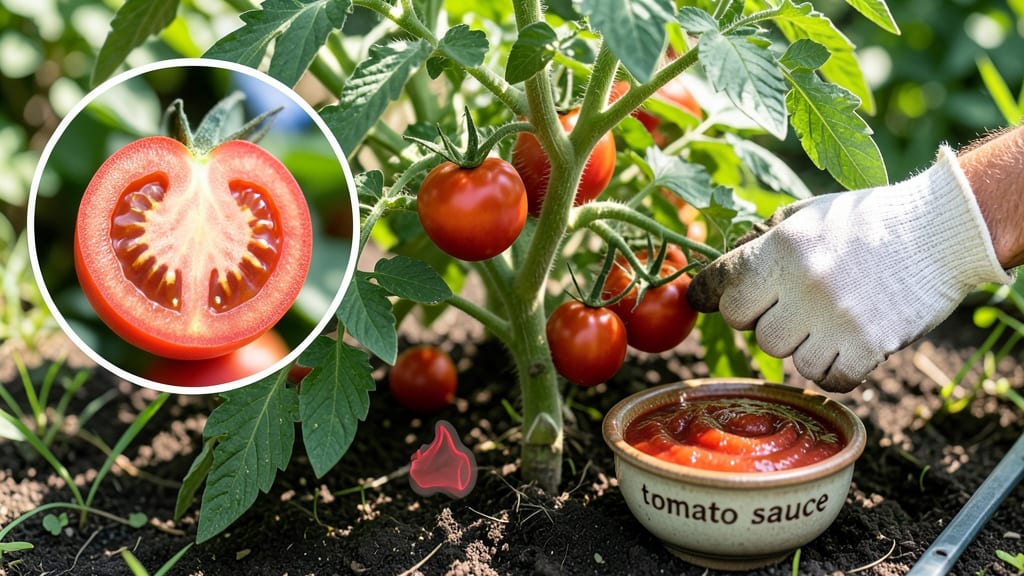
A tomato sauce allergy can cause hives, swelling, or digestive issues because of proteins in tomatoes, nightshades, or added ingredients. These reactions often appear as skin rashes, throat tightness, or stomach pain after eating. The best way to manage it is by avoiding tomato-based products and carefully checking food labels.
A tomato sauce allergy isn't just about fresh tomatoes—it often stems from nightshade compounds like solanine, found in potatoes, peppers, and even eggplants. 🌶️ Many people with this allergy also react to processed sauces containing hidden tomato extracts or additives.
Cooking doesn't always eliminate the risk, since heat can sometimes intensify certain protein structures. If you're gardening, opt for non-nightshade herbs like basil or spinach to create flavorful, safe alternatives for your meals.
For cooking, consider swapping tomato sauce with mushroom-based, carrot, or coconut milk alternatives that deliver similar depth without the allergenic triggers. Always read labels carefully, as some brands use tomato powder or derivatives in unexpected places—even in breads or soups.
When in doubt, consult a dietitian to develop a personalized meal plan that keeps your kitchen both delicious and safe.
💡 In This Article
- Identifying Nightshade Allergies in Tomato-Based Products
- Safe Tomato-Free Sauce Alternatives for Cooking and Gardening
Identifying nightshade allergies in tomato-based products
The core issue with tomato sauce allergies lies in the nightshade family's unique biochemical profile. Tomatoes contain proteins like Solanine and Lycopene, which can trigger immune responses in sensitive individuals.
Solanine, specifically, is a glycoalkaloid that acts as a natural insect repellent in plants—it's most concentrated in the green parts and skin, but cooking doesn't fully neutralize it. 🌱 What's fascinating is that this same compound appears in potatoes, peppers, and eggplants, creating cross-reactivity risks for allergy sufferers.
Processing methods play a surprising role in allergenicity. While canning or cooking may break down some proteins, heat can actually denature others, making them more likely to provoke reactions.
For example, a study in the Journal of Agricultural and Food Chemistry found that tomato paste contained higher levels of intact allergenic proteins than fresh tomatoes due to concentrated processing. Even tomato-based additives like lycopene extracts (common in fortified foods) can trigger symptoms in sensitive individuals.
For gardeners, understanding nightshade biology is crucial. Plants like tomatoes and potatoes are part of the Solanaceae family, which means they share allergenic compounds. If you're growing your own produce, consider rotating crops with non-nightshade alternatives like basil, spinach, or oregano—these provide flavor without the allergenic risks.
The key is recognizing that even organic, homegrown tomatoes may contain these compounds, so allergy testing remains essential for safe gardening.
Label reading becomes a science when managing this allergy. Terms like "tomato powder," "lycopene concentrate," or "natural flavors (vegetable-based)" often signal hidden tomato derivatives. Some unexpected sources include ketchup, marinara, BBQ sauce, and even some breads that use tomato paste as a preservative.
Always check for "may contain nightshades" warnings, as cross-contamination can occur during processing.
What most people don't realize is that oral allergy syndrome can also play a role. Some individuals with tomato allergies may experience mild reactions when consuming raw tomatoes but tolerate cooked versions better—this is because heat can alter protein structures.
However, this isn't a universal rule, and some people react more strongly to cooked tomato products due to concentrated allergens.
If you're experimenting with alternative sauces, consider mushroom-based gravies or carrot purées—both provide umami depth without nightshade compounds. For gardening, focus on herbs like thyme or rosemary, which offer aromatic alternatives to tomato-based seasonings. The goal is to recreate that rich, savory profile without triggering allergic responses.