
Plants
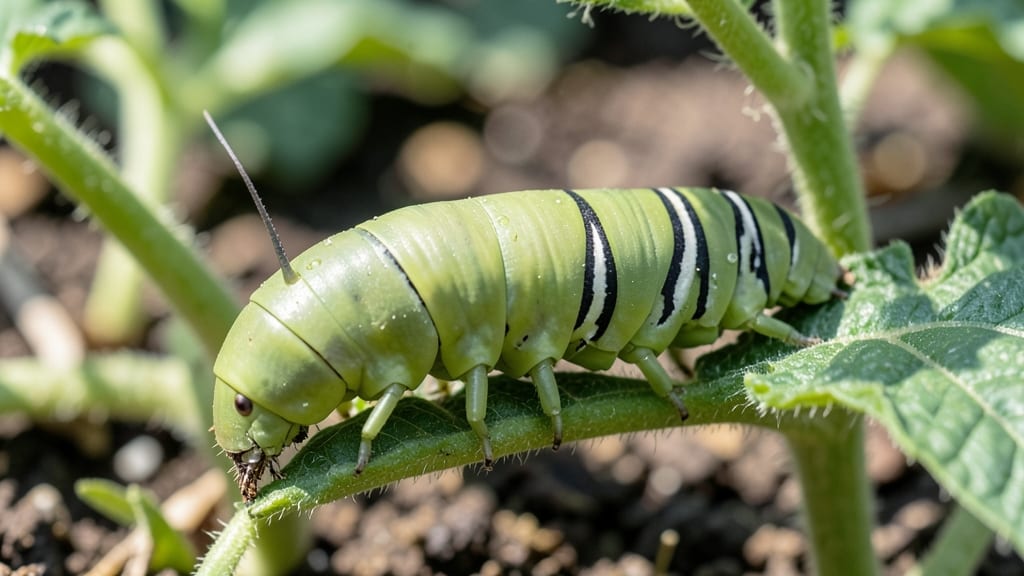
Those big green tomato worms can strip your plants bare in days—until you learn their weaknesses. 🌱 I’ve lost entire vines to hornworms before, but now I catch them before they cause real damage with these targeted tricks that actually work.
The key is acting fast: handpicking at dawn, using Bt spray (a natural bacteria), or inviting ladybugs and wasps to do the work for you. These methods stop the destruction without harming your garden’s ecosystem—no harsh chemicals needed.
You’ll see fewer holes in leaves within 24 hours of intervention, and your plants will rebound with new growth. The secret is checking plants twice weekly during peak worm season (late spring through summer). Works for home gardens, raised beds, and even container tomatoes. Let’s save your harvest!
Root Causes Of Green Invaders
When your tomato plants start hosting big green worms—likely hornworms or tomato fruitworms—it’s rarely a random attack. These pests thrive because of specific conditions in your garden.
Understanding why they appear is the first step to stopping them naturally. Let’s break down the key reasons these leafy menaces show up in your tomato patch.
Tomato plants that are too close together create the perfect hiding spot for green worms. Here’s why:
- Poor Airflow: Dense foliage traps moisture, making leaves damp and inviting for egg-laying pests. Hornworms, for example, prefer humid environments where their eggs can hatch undisturbed.
- Shaded Leaves: When plants block sunlight, leaves stay tender and nutrient-rich—an all-you-can-eat buffet for hungry caterpillars.
- Less Natural Predation: Birds and parasitic wasps (natural worm enemies) struggle to navigate thick plant walls, giving worms free rein.
Actionable Fix: Space tomato plants 18–24 inches apart (or follow your variety’s recommended spacing). Prune lower leaves to improve airflow and reduce hiding spots.
Big green worms aren’t usually the first invaders—they’re the last. When their predators vanish, their populations explode. Here’s the chain reaction:
- Pesticide Overuse: Chemical sprays kill beneficial insects (like ladybugs, lacewings, and parasitic wasps) faster than they kill worms. Without these allies, worms feast unchecked.
- Monoculture Gardening: Planting only tomatoes (or other nightshades) starves predator species that need diverse plant life to survive.
- Urban/Suburban Gardens: Fewer wild predators (like birds) are present compared to rural or organic farms.
Actionable Fix:
- Introduce companion plants like basil, dill, or marigolds to attract predator insects.
- Avoid broad-spectrum pesticides; opt for targeted organic sprays (e.g., Bt or neem oil) that spare beneficial bugs.
- Install birdhouses or bat boxes to encourage worm-hunting wildlife.
Mature, ripe tomatoes are a magnet for fruitworms. These pests don’t just munch leaves—they burrow into green (and red!) tomatoes, laying eggs in cracks or under blossom ends. Here’s the science:
- Sugar & Moisture: Ripe tomatoes have high sugar content, which attracts adult moths (the worms’ parents) to lay eggs.
- Soft Skin: Green tomatoes with blossom-end rot or thin skin are easier for larvae to penetrate.
- Warm Nights: Temperatures above 75°F (24°C) speed up moth activity and egg hatching.
Actionable Fix:
- Harvest tomatoes before they fully ripen indoors (if possible) to remove the temptation.
- Use row covers early in the season to block moths from laying eggs.
- Apply kaolin clay (a natural repellent) to tomato leaves to deter egg-laying.
Healthy tomato plants resist pests better. When soil lacks nutrients or is imbalanced, plants become stressed and vulnerable. Key triggers:
- Nitrogen Deficiency: Too much nitrogen = soft, tender leaves that worms love. Too little = stunted growth, making plants easier targets.
- Compacted or Waterlogged Soil: Poor drainage stresses roots, reducing the plant’s ability to produce natural pest-repelling compounds (like alkaloids).
- Lack of Beneficial Microbes: Healthy soil teems with bacteria and fungi that boost plant immunity. Sterile or chemically treated soil lacks these allies.
Actionable Fix:
- Test your soil and amend with compost, worm castings, or balanced organic fertilizer (e.g., 5-5-5 NPK ratio).
- Add mycorrhizal fungi to improve root health and nutrient uptake.
- Mulch with straw or grass clippings to retain moisture and regulate soil temperature.
Big green worms don’t appear out of nowhere—they’re responding to opportunities you’ve created. By addressing these root causes, you’ll make your tomato plants less appealing and more resilient to future invasions. Next up: natural solutions to evict these leafy squatters for good!
Effective Fixes For Giant Green Worms
Those big, bright green tomato worms (likely hornworms) might look intimidating, but don’t panic! With the right approach, you can protect your plants naturally and effectively. Below are targeted solutions based on the most common causes—from manual removal to long-term prevention.
If you’ve spotted a few large green caterpillars munching on your tomatoes, the simplest and most immediate solution is to pick them off by hand. This method is chemical-free and works best in the early stages of an infestation.
- 👨🍳 Timing is key – Do this in the early morning or late evening when the worms are sluggish and easier to spot.
- 🔪 Grab and drop – Use a pair of gloves or tongs to pluck the worms off the plant. Drop them into a bucket of soapy water to ensure they don’t crawl back.
- ⏰ Check daily – Hornworms grow quickly, so monitor your plants every 1-2 days, especially if you’ve seen fresh damage.
Pro Tip: 💡 Look under leaves and near stems—these are favorite hiding spots for sneaky caterpillars.
If the infestation is spreading, a homemade spray can help deter or even kill the worms without harming your plants or the environment.
🌿 Soap Spray (Mild but Effective)
A mixture of mild liquid soap and water disrupts the waxy coating on the worms’ bodies, causing dehydration.
- 🥘 Mix 1 tablespoon of mild castile soap (like Dr. Bronner’s) with 1 quart of water.
- 🌿 Spray the solution directly on the worms and the undersides of leaves where they hide.
- 🌡️ Apply in the evening to avoid harming beneficial insects like bees.
🍋 Neem Oil (Powerful & Preventative)
Neem oil is a natural insecticide that also repels egg-laying moths, breaking the worm life cycle.
- 🌿 Combine 1 tablespoon of neem oil with 1 teaspoon of mild soap and 1 quart of water.
- 🍳 Shake well and spray thoroughly on leaves, focusing on the undersides.
- 🔄 Reapply every 5-7 days or after rain, as neem oil washes off.
Pro Tip: 🌡️ For extra potency, add a few drops of garlic or chili pepper oil to your spray—worms hate the smell!
The best way to deal with giant green worms is to prevent them from becoming a problem in the first place. Here’s how:
- 🌱 Plant companion flowers – Marigolds, basil, and dill repel moths that lay tomato hornworm eggs.
- 🐝 Encourage beneficial predators – Ladybugs, lacewings, and parasitic wasps (like Cotesia congregata) naturally hunt hornworms. Plant flowers like dill or fennel to attract them.
- 🌿 Use row covers – Lightweight fabric barriers keep moths from laying eggs on your tomato plants.
- 🌱 Rotate crops – Avoid planting tomatoes in the same spot year after year to disrupt the worm’s life cycle.
- 🌱 Healthy plants = stronger defense – Well-watered, nutrient-rich tomatoes are less appealing to pests. Use compost or organic fertilizer to keep them thriving.
Pro Tip: ✨ If you spot white egg clusters on leaves, crush them immediately—they’ll hatch into more worms in days!
If your tomato plants are severely damaged or the infestation is out of control, consider these next steps:
- 🐝 Introduce parasitic wasps – These tiny, non-stinging wasps lay eggs inside hornworms, killing them naturally. Order them online from garden supply stores.
- 🌿 Try Bacillus thuringiensis (Bt) – A natural bacteria (Bt kurstaki) that targets caterpillars. It’s safe for humans and pets but deadly to worms.
- 🌱 Remove heavily infested plants – If a plant is beyond saving, pull it up and destroy it to prevent further spread.
With these strategies, your tomato plants can bounce back stronger—and you’ll be one step ahead of those big green invaders next season!
Frequently asked questions
What are those big green worms on my tomato plants?
Those are likely tomato hornworms or fruitworms—they can grow up to 4 inches long and have white diagonal stripes. These caterpillars are voracious eaters and can defoliate plants in days if left unchecked.
Are these worms harmful to my tomatoes?
Yes, they’re extremely damaging! Hornworms devour leaves, stems, and even burrow into green tomatoes, causing rot and reducing your harvest. A single worm can strip a plant bare in just 24 hours. Early action is key to saving your crop.
How do I tell if my tomato plants have worms?
Look for large holes in leaves, chewed stems, or black droppings on foliage. Check the undersides of leaves—worms hide there during the day. You might also spot white egg clusters (like tiny rice grains) on stems.
Can I use chemical pesticides on my tomato plants?
Chemical pesticides can harm beneficial insects like ladybugs and bees, which help control worm populations naturally. Instead, try Bt spray (a bacteria-based organic pesticide) or neem oil—both are safe for your garden ecosystem.
Will my tomato plants recover after worm damage?
Yes, but it depends on how severe the damage is. If you remove the worms early and keep plants healthy with compost and water, they’ll regrow leaves quickly. However, if more than 50% of leaves are gone, the plant may struggle to produce fruit. Prune damaged areas to encourage new growth.