
Pests
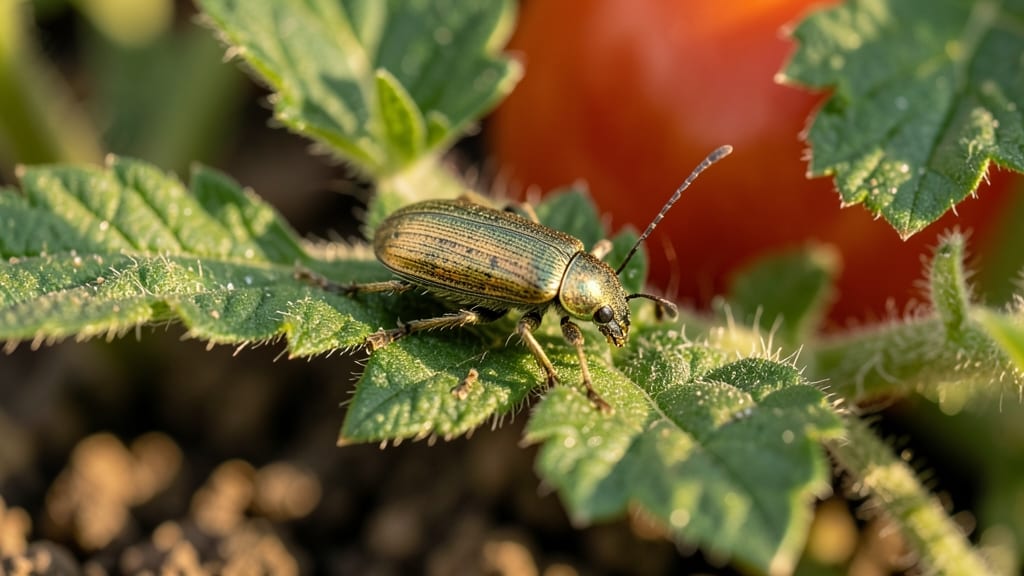
Those tiny black specks chewing your tomato leaves? 🌱 Flea beetles are the sneaky villains of summer gardens, and they can strip plants bare if you don't act fast. I've battled them for years, and these organic barrier tricks have saved my harvests from becoming skeleton leaves.
The key is stopping them before they start—they jump at the first sign of trouble. Lightweight row covers work wonders, but so do simple DIY traps like yellow sticky cards or crushed eggshells around plants. Even a sprinkle of diatomaceous earth creates a natural barrier they won't cross.
You'll see new, healthy growth within days of setting up barriers, and the beetles will move on to easier targets. The best part? These methods work for peppers and eggplants too, so you can protect your whole garden without chemicals. Works for backyard gardens, containers, and raised beds alike.
Let's get those tomatoes thriving again!
Root Causes Of Flea Beetle Attacks
Flea beetles don’t just randomly target your tomato plants—they’re drawn by a mix of environmental, biological, and agricultural factors. Understanding these triggers is the first step to stopping their damage before it starts.
Below, we break down the real reasons these tiny pests invade your garden, along with the science behind their behavior.
Flea beetles are polyphagous, meaning they’ll feast on over 200 plant species, but they have a special weakness for young, tender tomato seedlings and stressed plants. Here’s why:
- Volatile Organic Compounds (VOCs): Tomato plants emit green leaf volatiles (GLVs) when damaged or under stress—these chemicals act like a dinner bell for flea beetles. Healthy, mature plants produce fewer of these signals, making them less appealing.
- Thin, Delicate Leaves: Newly sprouted tomato leaves are irresistibly soft to adult flea beetles, who use their sharp mandibles to create "shotgun" holes (tiny punctures) that disrupt photosynthesis.
- Stress Signals: Drought, poor soil nutrition, or transplant shock make tomatoes more vulnerable. Stressed plants release higher levels of jasmonic acid, a compound that actively attracts flea beetles as a survival cue (they’re drawn to plants already under attack).
💡 Pro Tip: Avoid over-fertilizing with nitrogen—it makes leaves too lush, which flea beetles love. Instead, use a balanced 10-10-10 fertilizer to promote tougher foliage.
Flea beetles thrive in specific weather conditions, and their life cycle is tightly linked to temperature and moisture. Here’s how climate plays a role:
| Condition | Why It Attracts Flea Beetles | Peak Risk Period |
|---|---|---|
| Warm, Dry Soil (60–85°F) | Adults emerge from overwintering sites (soil, leaf litter) when soil temps rise. Dry conditions also stress seedlings, making them more attractive. | Late spring to early summer |
| Hot, Sunny Days | Flea beetles are phototactic—they’re drawn to bright light and heat, which helps them locate host plants quickly. Sunny gardens = beetle buffet. | Mid-morning to early afternoon |
| After Rain or Irrigation | Moisture softens soil, making it easier for larvae to pupate. Adults also feed more aggressively after rain because humidity reduces their desiccation risk. | 24–48 hours post-rain |
🌡️ Key Insight: Flea beetles hibernate in winter but reproduce rapidly in spring. If your area has mild winters, they may have multiple generations per year, worsening infestations.
How you manage your garden—from planting techniques to neighboring crops—can invite or repel flea beetles. Here’s what’s making your tomatoes a target:
- Monoculture Planting: Growing only tomatoes in a row creates a beetle buffet. Flea beetles use olfactory cues (smell) to find large patches of the same plant species. Solution: Interplant with basil, marigolds, or nasturtiums to disrupt their search patterns.
- Late Succession Planting: Starting tomatoes too late (after May in most climates) means they’re already vulnerable when adult beetles emerge. Solution: Use floating row covers for early seedlings or opt for heat-tolerant varieties like 'Solar Fire' or 'Heatmaster.'
- Poor Drainage or Compacted Soil: Waterlogged or hard-packed soil traps larvae near the surface, where they pupate and emerge as adults. Solution: Amend soil with compost and avoid heavy foot traffic in planting beds.
- Nearby Weedy Areas: Flea beetles overwinter in weeds like pigweed or lambsquarters. If these grow wild near your garden, they’re a reservoir for new infestations. Solution: Maintain a 50-foot "beetle-free zone" around your tomatoes.
✨ Organic Hack: Plant a sacrificial crop like radishes or lettuce a few weeks before tomatoes. Flea beetles will prefer these fast-growing plants, giving your tomatoes a head start.
By addressing these root causes—stress reduction, climate awareness, and smart garden design—you can dramatically cut flea beetle pressure before they even lay eggs. The next step? Learn how to block their access with organic barriers.
Fixing Tomato Plant Damage Fast
Flea beetles may seem tiny, but their damage can turn your tomato plants into a Swiss cheese of holes—leaving you frustrated and wondering how to save your harvest. The good news? With the right strategies, you can stop the attack, protect your plants, and even prevent future invasions.
Below, we’ve mapped out practical, organic solutions based on the root causes of flea beetle damage, from quick fixes to long-term prevention.
If your tomato plants already show signs of tiny shot holes or wilting, act fast with these emergency fixes:
🍳 Cover Up with Row Covers or Netting
Flea beetles are most active in the early morning and evening, so physical barriers are your best first line of defense.
- What to use: Lightweight floating row covers (made of breathable fabric like polyester or polypropylene) or fine mesh netting (with holes smaller than 0.5mm).
- How to apply:
- Drape the cover loosely over plants (stake it up if needed) to allow pollination by bees while blocking beetles.
- Secure edges with clips, rocks, or soil to prevent beetles from crawling underneath.
- Remove covers during pollination (if hand-pollinating isn’t an option) or use self-pollinating tomato varieties (like cherry tomatoes).
- Pro tip: 💡 If you’re dealing with seedlings, use collapsible hoop tunnels covered with netting for extra protection.
👨🍳 Handpick & Trap Them Out
For small gardens, manual removal can make a difference—especially if you catch them early.
- When to do it: Early morning (beetles are sluggish) or late evening (they’re less active).
- How to trap:
- Yellow sticky traps (place near plants—the beetles are attracted to the color).
- Diatomaceous earth (DE) dust (food-grade only!) around the base of plants—it dehydrates their exoskeletons but is safe for plants and pets once settled.
- Drop cloth method: Lay a dark-colored tarp under plants, then shake or spray water on foliage to dislodge beetles onto the cloth. Dispose of them in soapy water.
If flea beetles keep coming back, reinforce your defenses with natural repellents that disrupt their life cycle.
🔪 Plant Companion Crops to Confuse Them
Flea beetles hate strong scents and certain plant companions can mask your tomatoes or attract their predators.
- Best companion plants:
- Nasturtiums (trap crop—beetles prefer these over tomatoes!)
- Basil (releases a scent that repels beetles)
- Marigolds (deter pests and attract ladybugs, a natural predator)
- Onions & Garlic (plant around the perimeter—their smell confuses beetles)
- How to arrange:
- Interplant companions every few feet around tomato beds.
- Sacrifice a few nasturtiums as a trap crop—let beetles feast on them instead of your tomatoes.
🌡️ Use Neem Oil or Insecticidal Soap (Safe & Effective)
These organic sprays smother beetles and disrupt their feeding without harming beneficial insects.
- Neem Oil Spray:
- Mix: 1 tbsp neem oil + 1 tsp horticultural oil + 1 tsp mild liquid soap in 1 quart of water.
- Spray: Early morning or late evening (avoid direct sun—it can burn leaves).
- Reapply: Every 5–7 days or after rain.
- Insecticidal Soap:
- Mix: 1 tbsp castile soap (or potassium-based insecticidal soap) in 1 quart of water.
- Spray: Directly on beetles (they’ll dry out and die within hours).
- Pro tip: ✨ Add a little garlic or chili powder to the spray for extra repellent power!
The best way to eliminate flea beetles for good is to disrupt their life cycle and make your garden less inviting.
🌱 Rotate Crops & Clean Up Debris
Flea beetles overwinter in garden debris, so removing hiding spots is key.
- After harvest:
- Pull up and compost (or burn) old tomato plants and debris.
- Avoid planting tomatoes in the same spot for at least 3 years (crop rotation confuses beetles).
- Mulch strategically:
- Use straw or grass clippings (not wood chips) to smother weeds where beetles lay eggs.
🎯 Encourage Natural Predators
Instead of fighting beetles alone, let nature do the work with these beneficial insects:
- Ladybugs (eat flea beetle eggs and larvae)
- Ground beetles (hunt adult beetles)
- Lacewings (devour eggs and young beetles)
- How to attract them:
- Plant dill, fennel, or yarrow (they attract lacewings).
- Leave some leaf litter (ground beetles love it).
- Avoid pesticides (even organic ones can harm predators).
🔄 Use Reflective Mulch (A Clever Trick!)
Flea beetles navigate by light, so disorienting them with reflective surfaces can reduce feeding.
- What to use:
- Aluminum foil (crinkled and placed under netting)
- Silver plastic mulch (available at garden centers)
- How to apply:
- Lay it under row covers or around plant bases.
- Replace every few weeks (sun degrades the effect).
- 🌡️ Heat Treatment: Flea beetles hate heat—use a hair dryer on low to blast beetles off plants (do this in the evening).
- 🍅 Choose Resistant Varieties: Some tomatoes (like ‘Cherokee Purple’ or ‘Mountain Merit’) are less appealing to beetles.
- 🚫 Avoid Overwatering: Wet soil attracts slugs and beetles—water deeply but less frequently.
- 🕵️ Monitor Eggs: Check undersides of leaves for tiny white eggs—scrub them off with a soft brush and soapy water.
By combining immediate fixes with long-term prevention, you’ll regain control of your tomato plants and keep flea beetles at bay—without harsh chemicals. Your future harvests will thank you! 🍅🌿
Frequently asked questions
How can I tell if my tomato plants have flea beetles?
Look for tiny shot holes (like BB gun damage) on leaves, especially on new growth. You may also spot tiny black beetles (1/16 inch long) jumping away when you disturb the plants. Check the undersides of leaves for white eggs that look like tiny grains of rice.
Will flea beetles kill my tomato plants?
While they won't kill mature plants, severe infestations can stunt growth and reduce yields by damaging leaves that produce food for the plant. Seedlings are most vulnerable—you might lose entire plants if beetles chew through stems. Act fast with row covers or neem oil to protect young plants.
Can I use chemical pesticides for flea beetles?
Chemical pesticides like pyrethrin or carbaryl can work, but they also kill beneficial insects like ladybugs and lacewings. For organic gardens, stick to neem oil, insecticidal soap, or diatomaceous earth instead. These target only the beetles while protecting your garden's ecosystem.
How long does it take for organic treatments to work?
Most organic solutions like neem oil or row covers show results within 24-48 hours, but you'll need to reapply every 5-7 days or after rain. For diatomaceous earth, it may take 3-5 days to fully dehydrate beetles. Consistency is key—don't give up after one treatment!
Will flea beetles come back next year?
Yes, they often overwinter in garden debris and weeds, so they'll return if you don't clean up plant remains and rotate crops. Remove all tomato plants after harvest and avoid planting tomatoes in the same spot for 3 years. Adding companion plants like marigolds can also help deter them long-term.