
Planting
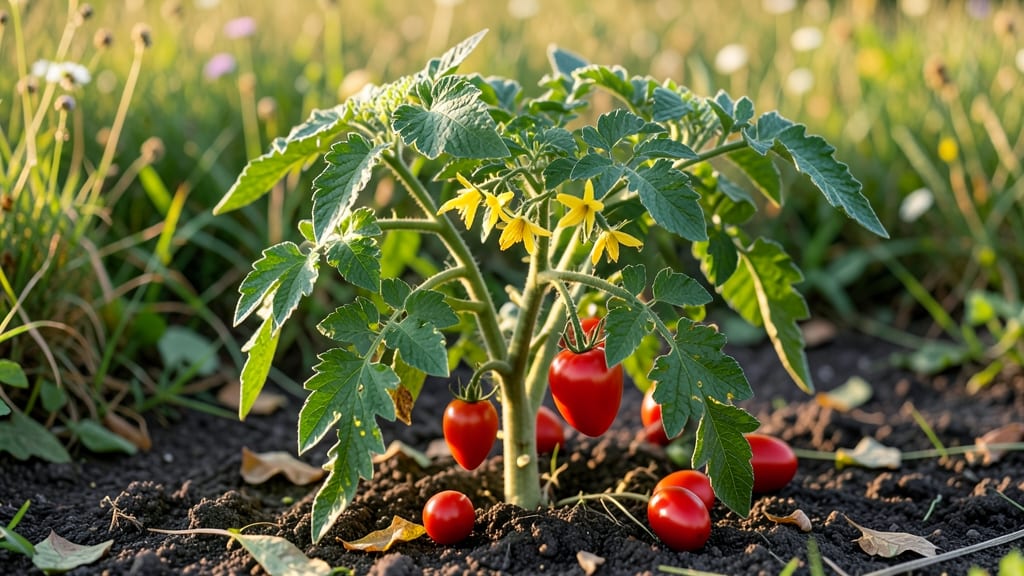
The roma tomato plant height can soar like a jungle vine—10 to 12 feet if left unchecked, but with the right pruning and support, they’ll grow stronger and produce more. 🌿 I learned this the hard way when my first plant nearly crashed through my patio roof because I didn’t stake it early enough.
The key isn’t just height control—it’s directing that energy into fruit instead of wild, unmanageable growth.
Your Roma’s final height depends on three things: variety (some stay compact), pruning (pinch suckers early), and climate (warmer zones mean faster growth). Most gardeners use 6-foot cages or sturdy bamboo stakes, but I’ve found that trellises give the best airflow and easiest harvesting.
The goal is to keep the plant upright without smothering it—think of it like training a vine to climb a fence, not a jungle gym.
With proper support, you’ll end up with a 6-foot-tall, fruit-loaded plant instead of a sprawling mess. The leaves stay healthy, pests have fewer hiding spots, and you’ll harvest 20-30 pounds of paste tomatoes per plant—enough to make sauce for a year.
The secret is pruning aggressively in spring and tying stems every 2-3 weeks as they grow.
Common mistakes? Over-pruning (you’ll stunt growth), waiting too long to stake (bad for heavy fruit), or using weak supports that bend. Roma tomatoes are determinate—they’ll stop growing once they set fruit, so focus on early support and consistent pruning to keep them productive.
Once you master this, you’ll never buy canned tomatoes again.
📚 In This Guide
- What you need
- Instructions
- Tips and common mistakes
- Wrapping up and next steps
What you need
- ● Roma tomato seeds or seedlings: Choose disease-resistant varieties (e.g., 'Roma,' 'Plum,' or 'San Marzano'). Quantity: 2–4 plants per person (or 1 per 2–3 ft of space if growing in containers).
- ● Well-draining potting mix or garden soil: Amend with compost (50% soil, 50% compost) for nutrient-rich growth. Quantity: 1–2 cubic feet per plant.
- ○ Container (optional but recommended): 5-gallon fabric pots or a raised bed (12–18" deep) if space is limited. Size: At least 12" in diameter for each plant.
- ● Balcony cage or tomato trellis: Sturdy 6–8 ft tall (metal or wooden). Pro tip: 💡 Use a floral wire cage (5–6 ft) for smaller spaces!
- ● Organic fertilizer: Balanced 10-10-10 or tomato-specific blend. Quantity: 1 tbsp per plant at planting, then monthly.
- ● Mulch: Straw or shredded leaves (2–3 inches thick) to retain moisture.
- ● Trowel or hand shovel for transplanting.
- ● Garden gloves (to protect from thorns and soil).
- ● Watering can or hose with a gentle spray nozzle.
- ● Pruning shears (for trimming suckers and dead leaves).
- ○ Optional but handy: pH test kit (ideal soil pH: 6.2–6.8).
- ● Drip irrigation kit (for consistent watering).
- ● Plant ties (soft cloth or Velcro straps to secure vines to trellis).
- ● Full sun exposure: 6–8+ hours daily (Roma tomatoes thrive in warmth!).
- ● Warm soil temps: Wait until after the last frost (soil should be at least 60°F/15°C).
- ● Spacious spacing: 2–3 ft apart if growing in-ground; 1 plant per container if potted.
Step-by-Step guide to maximizing Roma tomato plant height through strategic spacing
Tall, productive Roma tomato vines start with the right spacing from day one.
🌱 Step 1: Choose the Right Planting Location and Soil Prep
Roma tomatoes thrive in full sun—at least 8 hours daily—so select a south-facing spot with no afternoon shade. I always test soil drainage first by digging a 12-inch deep hole and filling it with water; if it drains in under an hour, the site's perfect. Amend heavy clay with 2-3 inches of compost mixed into the top 12 inches of soil.
The key here is warmth. Roma tomatoes struggle in cold soil, so wait until nighttime temperatures stay above 55°F before planting. Use a soil thermometer to confirm—60-65°F is ideal for strong root establishment. I like to plant in late spring when the ground has had time to warm naturally.
🪴 Step 2: Space Plants for Optimal Airflow and Support
Roma tomatoes need 24-36 inches apart in rows spaced 3-4 feet apart. This spacing prevents fungal diseases by ensuring good airflow while giving vines room to grow vertically. I plant mine in a staggered pattern—every other plant offset by 18 inches—to maximize sunlight penetration to lower leaves.
Install 6-foot tall stakes or a T-post trellis system at planting time. Bury the stake 12 inches deep next to each plant and tie the main stem loosely with soft plant ties. Roma vines grow 6-8 feet tall when properly supported, so the taller the structure, the more fruit you'll harvest. Avoid metal cages—they restrict vine growth and make pruning difficult.
☀️ Step 3: Train Vines for Maximum Height and Productivity
Once plants reach 18 inches tall, begin pruning to encourage vertical growth. Remove suckers (the small shoots that form in the leaf axils) by pinching them off with your thumb and forefinger. I prune suckers below the second flower cluster to maintain energy for fruit production while still allowing the vine to grow taller.
When the main stem reaches the top of your support, pinch off the terminal bud (the growing tip) to stop upward growth and redirect energy to fruit development. This technique, called "topping," ensures the plant puts all its focus into ripening existing tomatoes rather than growing more vine. Watch for new lateral shoots forming below the pinched area—these will produce additional fruit clusters.
💧 Step 4: Water and Fertilize for Towering Growth
Water deeply 1-2 times per week, delivering 1-2 gallons per plant each time. The goal is to keep soil consistently moist to 12 inches deep—never let the top 2 inches dry out completely. I water in the morning to allow foliage to dry before evening, which prevents fungal diseases like early blight. Use a soaker hose or drip irrigation to keep water off the leaves entirely.
Feed plants with a balanced 10-10-10 fertilizer at planting, then switch to a low-nitrogen, high-phosphorus formula (5-10-10) when flowers appear. I apply fertilizer every 3-4 weeks during the growing season, always watering thoroughly after application. Too much nitrogen makes plants grow lush foliage at the expense of fruit production—exactly what you don't want with Roma tomatoes.
✂️ Step 5: Prune and Harvest for Continued Vertical Growth
Throughout the season, continue pruning to maintain vine height and productivity. Remove any leaves that develop below the first flower cluster—these compete with fruit for energy and block airflow. I also prune away any leaves showing signs of disease immediately to prevent spread. When harvesting, always pick tomatoes when they're fully red and slightly soft to the touch—this encourages the plant to produce more fruit.
The final trick for maximizing height is to keep the plant growing vertically. If your trellis isn't tall enough, extend it with additional stakes tied together. Roma tomatoes will keep growing upward as long as conditions are right, and with proper pruning, you'll get fruit all the way up the vine. The tallest, healthiest vines produce the most fruit—so give them the space and support they deserve.
Tips & tricks for perfect Roma tomato vine growth
These practical insights will help you coax those towering vines to their full potential—without common pitfalls.
Sunlight Strategy: That 8 hours of full sun requirement is non-negotiable, but here's the secret: morning sun is more valuable than afternoon. Position your plants to catch the first rays, as this kickstarts photosynthesis early. If you notice leaves yellowing or wilting by midday, your plants are getting too much afternoon heat—consider light shade during peak sun hours (11 AM to 3 PM) to prevent stress.
Support System: The 6-foot tall stakes or trellis system isn't just about height—it's about stability. I've seen vines snap under their own weight when stakes weren't buried deep enough. Bury those stakes 12 inches deep and angle them slightly outward from the plant to distribute weight better. For windy areas, add a second stake on the opposite side and tie them together at the top for extra support.
Pruning Precision: When you reach Step 3 and start pruning suckers below the second flower cluster, here's what nobody tells you: the first few suckers you remove are actually valuable. Those lower suckers can produce fruit if left alone, but they'll compete with your main vine. I recommend removing only the suckers that form above the first flower cluster—this balances height and fruit production while maintaining airflow.
Watering Wisdom: The 1-2 gallons per plant guideline is perfect, but timing matters just as much. I water my Roma tomatoes at the same time every morning—right after sunrise but before the soil dries. This creates a predictable moisture level that encourages deep root growth. If you notice the top 2 inches of soil drying out between waterings, you're either watering too little or not deeply enough. Use a moisture meter to check—it should read consistently moist at 12 inches deep.
Pro Tips for Roma Tomato Plant Height
- These practical insights will help you coax those towering vines to their full potential—without common pitfalls.
- Sunlight Strategy: That 8 hours of full sun requirement is non-negotiable, but here's the secret: morning sun is more valuable than afternoon.
- Support System: The 6-foot tall stakes or trellis system isn't just about height—it's about stability.
Frequently asked questions
Got questions about managing your Roma tomato plant height? You’re not alone! Here are some of the most common queries—plus quick, actionable answers to keep your vines thriving.
How tall do Roma tomato plants typically grow?
Roma tomatoes are indeterminate varieties, meaning they can grow 6 to 10 feet tall (or even taller!) with proper support. Without pruning or staking, they’ll sprawl, but training them vertically maximizes yield and space. Think of them as towering vines—just give them a sturdy trellis or cage!
When should I prune my Roma tomato plant to control height?
Prune throughout the growing season, but start when the plant is about 18 inches tall. Remove suckers (shoots in the leaf axils) weekly to redirect energy to fruit production. Stop pruning 4–6 weeks before your first frost to let the plant harden off. Pro tip: Use sharp shears to avoid damaging stems!
What’s the best spacing for Roma tomatoes in containers vs. gardens?
In gardens, space plants 2–3 feet apart in rows 3–4 feet apart. For containers, choose pots at least 12–18 inches wide/deep—one plant per container is ideal. If growing vertically, use a 5-gallon bucket or larger with a sturdy trellis. Warning: Crowding invites disease, so don’t skimp on space!
Why is my Roma tomato plant growing too tall but producing few fruits?
Overgrowth often means too much foliage and not enough light or nutrients. Try these fixes:
- Prune aggressively to improve airflow and sunlight penetration.
- Fertilize with low-nitrogen, high-phosphorus feed (like 5-10-10) to boost flowering.
- Check for underwatering—Roma tomatoes need 1–2 inches of water weekly.
- Move to a sunnier spot (6+ hours of direct sun daily).
Can I grow Roma tomatoes as a dwarf variety to save space?
Traditional Roma tomatoes aren’t dwarf, but you can prune heavily to keep them under 4 feet tall. For true compact options, look for determinate Roma hybrids like ‘Roma VF’ (virus-resistant) or ‘Roma Dwarf’—these max out at 3–4 feet and ripen faster. Just be prepared for smaller yields compared to their towering cousins!
Wrapping up and next steps
Growing Roma tomato plants to their full potential is all about smart spacing, support, and care—not just luck! 🌱 With the right techniques, you can enjoy taller, healthier vines and a bountiful harvest.
Whether you’re a seasoned gardener or just starting, these tips will help you maximize your plants’ height and productivity.
Now that you’re armed with the secrets to towering Roma tomatoes, it’s time to roll up your sleeves and get planting! 🌿 Start with well-drained soil, provide sturdy support, and keep an eye on those vines.
Before you know it, you’ll be reaping the rewards of your hard work—one delicious, homegrown Roma tomato at a time.