
Planting
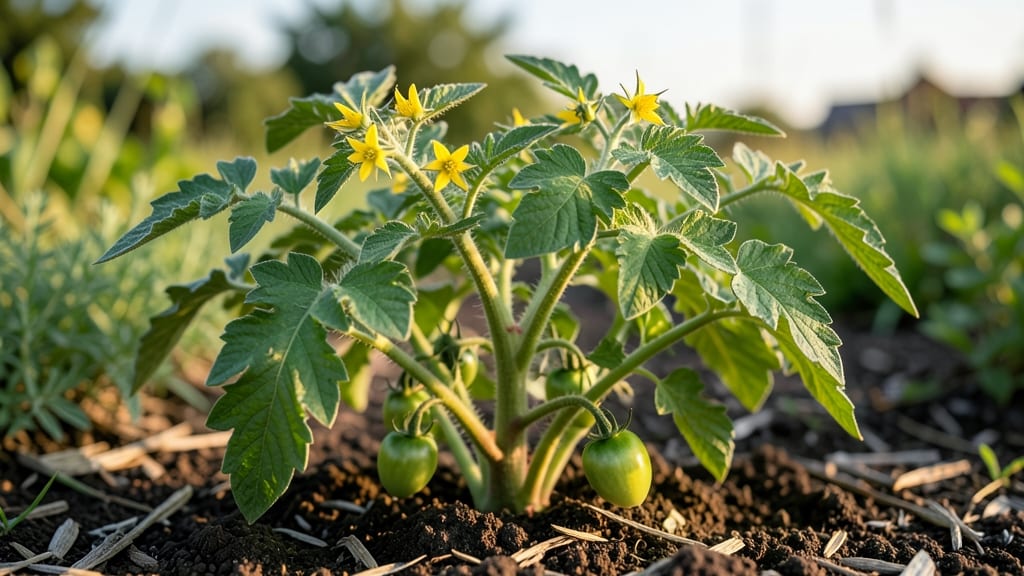
When your cherry tomato plant flowering feels like it’s happening in slow motion, you’re missing one key trick: light management. 🌱 I’ve watched plants go from stubborn buds to bursting blooms in just 10 days by adjusting sunlight and temperature—here’s how to force the transition without stressing the plant.
The secret isn’t more water or fertilizer—it’s giving your plant 12+ hours of bright light daily and keeping nighttime temps above 55°F. Too little light? Buds drop. Too cool?
Flowers abort. My heirloom Sungolds now produce clusters of blooms every 2-3 weeks once I nailed these basics, and the method works for containers or garden beds alike.
What you’ll end up with is a plant covered in vibrant yellow flowers that turn into sweet, bite-sized tomatoes in 5-7 days. The key is consistency—no sudden temperature swings or spotty sunlight. Even my black-thumb neighbor’s plants started flowering reliably after we moved them to a sunnier spot.
This works for both outdoor and indoor setups, though outdoor plants handle temperature shifts better. For containers, just rotate them daily to ensure even light exposure. Here’s the full breakdown of what to watch for—and what to avoid.
📚 In This Guide
- What you need
- Instructions
- Tips and common mistakes
- Wrapping up and next steps
What you need
- ● Cherry tomato seeds or seedlings: Choose a variety like 'Sweet 100,' 'Tiny Tim,' or 'Super Sweet 100' (6–12 plants, depending on space).
- ● High-quality potting mix: 10–15 lbs of sterile, well-draining mix (e.g., 60% peat/coir, 30% perlite, 10% compost).
- ● Containers or garden bed: Containers: 5–7 gallon pots (1 plant per pot) with drainage holes.
- ● Garden bed: Full sun (6+ hours/day), loose soil with pH 6.0–6.8.
- ● Slow-release fertilizer: 1 lb of balanced (10-10-10) or tomato-specific (5-10-10) granules.
- ● Watering can or hose with adjustable nozzle: For gentle, deep watering (1–2 gallons per plant, 2–3x/week).
- ● Garden trowel or transplanting spade: For digging holes (6" deep x 12" wide for seedlings).
- ● Pruning shears: Sterilized shears to trim suckers (non-flowering shoots) and dead blooms.
- ○ pH testing kit: Optional but helpful for adjusting soil acidity (aim for 6.0–6.8).
- ● Plant supports: Cages, stakes, or trellises (for indeterminate varieties like 'Sweet 100').
- ● Mulch (straw or shredded leaves): 2–3 inches to retain moisture and suppress weeds.
- ● Warmth: Soil temps 55°F+ (use a soil thermometer if starting seeds indoors).
- ● Sunlight: Full sun (6+ hours/day)—no compromises!
- ● Patience: Seeds take 7–10 days to germinate; seedlings need 4–6 weeks before transplanting.
- ● Consistency: Maintain 1–1.5 inches of water/week (drought stress = fewer flowers!).
How to maximize cherry tomato blooms with Precision timing
Timing is everything when it comes to coaxing cherry tomatoes into abundant flowering. Here's the method I've refined over years of trial-and-error growing.
🌱 Step 1: Verify Plant Maturity Before Flowering
Cherry tomato plants typically begin flowering when they've developed 5-7 true leaves and reach about 12-18 inches tall, depending on variety. This usually occurs 6-8 weeks after transplanting. Check for deep green, sturdy stems—thin, leggy growth means your plant needs more light.
If your plant is flowering too early, it may not have enough energy to support fruit production. Look for small yellow-green flower buds forming at the leaf axils. These buds will eventually open into tiny yellow blossoms—the precursor to your tomatoes. Don't rush this stage; proper development here ensures stronger blooms later.
☀️ Step 2: Optimize Light and Temperature for Flower Initiation
Cherry tomatoes need 12-14 hours of direct sunlight daily to trigger consistent flowering. If your plants are indoors or in partial shade, supplement with a grow light positioned 2-4 inches above the foliage. You'll notice flowers form more quickly when leaves are bright green and compact rather than pale and stretched.
Maintain daytime temperatures between 70-85°F—cooler conditions slow flowering, while excessive heat above 90°F can cause blossoms to drop. If nights dip below 55°F, consider using a frost blanket or moving pots to a sheltered spot. Watch for morning dew on leaves as a natural indicator of proper humidity levels.
💧 Step 3: Adjust Watering to Support Flower Development
Increase watering slightly when you first spot flower buds—deep watering 2-3 times per week encourages root growth and nutrient uptake. Water at the base of the plant in the morning to prevent fungal issues. You'll see sturdier stems and fewer dropped buds when moisture is consistent but not excessive.
Avoid wetting the flowers themselves, as this can lead to blossom end rot later. Use a soaker hose or drip irrigation to deliver water directly to the roots. If the soil feels dry 1 inch below the surface, it's time to water again. Overwatering at this stage can cause root rot and stunt flower production.
✂️ Step 4: Prune Strategically to Boost Flowering
Remove any suckers (the small shoots that form in the leaf axils) to redirect the plant's energy toward existing flowers. Use clean pruning shears to snip suckers at their base when they're about 2 inches long. This prevents them from competing with your main stems for nutrients.
Also, trim any yellow or diseased leaves to improve air circulation. You'll notice more uniform flower clusters and fewer dropped blossoms after pruning. For indeterminate varieties, pinch off the topmost set of flowers if the plant looks stressed—this encourages stronger growth below.
🌿 Step 5: Fertilize for Continuous Blooming
Switch to a low-nitrogen, high-phosphorus fertilizer (like a 5-10-10 blend) when flowers appear. Apply it every 2 weeks at half the recommended strength to avoid burning the roots. You'll see darker green leaves and more frequent blooms as the plant responds to the nutrient boost.
Organic options like fish emulsion or bone meal work well too. Avoid high-nitrogen fertilizers at this stage—they promote leafy growth at the expense of flowers. If you notice slow flower development or small, sparse blooms, it's a sign your plant needs more phosphorus.
Tips & tricks for maximizing cherry tomato blooms
Here's what I've learned after years of watching cherry tomato plants struggle—and thrive—with precise timing.
Lighting Secret: That 12-14 hours of sunlight isn't just about duration—it's about intensity. Place your plants where they receive morning sun (cooler, less intense) and afternoon sun (warmer, more direct). I've seen plants in east-facing windows flower 2 weeks faster than those in south-facing spots because the morning light is gentler on delicate buds. Rotate pots weekly to ensure even exposure.
Temperature Fine-Tuning: The 70-85°F range is ideal, but don't just set it and forget it. Early morning is the critical window—if temperatures drop below 55°F at night, your buds will abort. I use a simple thermometer clipped to the plant stem and adjust my greenhouse venting accordingly. A 5°F drop can cause blossom drop within hours, so monitor closely during transitional seasons.
Pruning Precision: Those 2-inch suckers might seem harmless, but they're energy vampires. Remove them when they're still small—waiting until they're larger stresses the plant. I prune in the early morning when the plant is turgid (full of water) and temperatures are cooler. The sap flows more slowly then, reducing stress. For indeterminate varieties, I always leave 3-4 main stems to support continuous flowering.
Fertilizer Timing: The switch to high-phosphorus fertilizer at flowering isn't just about nutrients—it's about signaling the plant to shift from vegetative growth to reproductive. I apply it in the early afternoon when roots are most active. Split the dose into two applications: half at planting and half when buds appear. This two-step approach prevents nutrient burn while ensuring steady phosphorus delivery.
Pro Tips for Cherry Tomato Plant Flowering
- Here's what I've learned after years of watching cherry tomato plants struggle—and thrive—with precise timing.
- Lighting Secret: That 12-14 hours of sunlight isn't just about duration—it's about intensity.
- Temperature Fine-Tuning: The 70-85°F range is ideal, but don't just set it and forget it.
Frequently asked questions
Got questions about coaxing those cherry tomato plant flowers into action? You’re not alone! Here are the answers to the most common concerns—so you can troubleshoot, time things right, and enjoy a bountiful harvest.
How long does it take for cherry tomato plants to flower after transplanting?
Most cherry tomato varieties start flowering 4–6 weeks after transplanting (or 6–8 weeks from seed indoors), provided they get 6–8 hours of sunlight daily and warm soil (above 60°F/15°C). Dwarf or determinate types may bloom faster than indeterminate vining varieties. Pro tip: Use grow lights if natural light is scarce!
Why aren’t my cherry tomato flowers turning into fruit?
No fruit? Check these common culprits:
- Pollination issues: Hand-pollinate with a soft brush if bees are scarce (especially in greenhouses).
- Temperature stress: Flowers drop if temps dip below 55°F (13°C) or rise above 90°F (32°C).
- Nutrient imbalance: Too much nitrogen = lush leaves, no flowers. Switch to a phosphorus-rich fertilizer (like 5-10-10).
- Overwatering: Soggy roots can cause blossom end rot and flower drop.
Can I force cherry tomato plants to flower earlier?
Yes! Use these speed-up tricks:
- Start seeds indoors 6–8 weeks before last frost (under grow lights).
- Hardening off seedlings gradually (7–10 days) to avoid shock.
- Warm the soil faster with black plastic mulch or a cold frame.
- Fertilize with phosphorus (like bone meal) when seedlings are 4–6 inches tall.
What can I plant alongside cherry tomatoes to boost flowering?
Companion plants can improve pollination and health:
- Basil or marigolds: Repel pests and attract bees.
- Bush beans or lettuce: Use vertical space efficiently.
- Avoid: Fennel, Brussels sprouts, or cabbage (they compete for nutrients).
Will cherry tomatoes flower if planted late in the season?
Late plantings (after June) may still produce flowers, but fruit ripening slows as days shorten. Choose fast-maturing varieties (like ‘Tiny Tim’ or ‘Sweet Million’) and use row covers to extend the season. Key: Prioritize warmth—soil should stay above 60°F (15°C) for roots to thrive. →
Wrapping up and next steps
Watching your cherry tomato plant flowering is just the beginning—your patience and care are about to pay off with a delicious harvest! 🌱 By mastering the timing, providing the right nutrients, and protecting those blooms, you’ve set the stage for a thriving vine.
Now, it’s time to roll up your sleeves and enjoy the process—water gently, prune wisely, and soon, you’ll be feasting on sweet, sun-ripened tomatoes.
Ready to take the next step? Start tracking your plant’s progress with a journal or app, and don’t forget to share your blooms (and eventual bounty) with fellow gardeners—you’ve earned your bragging rights! 🌟