
Size
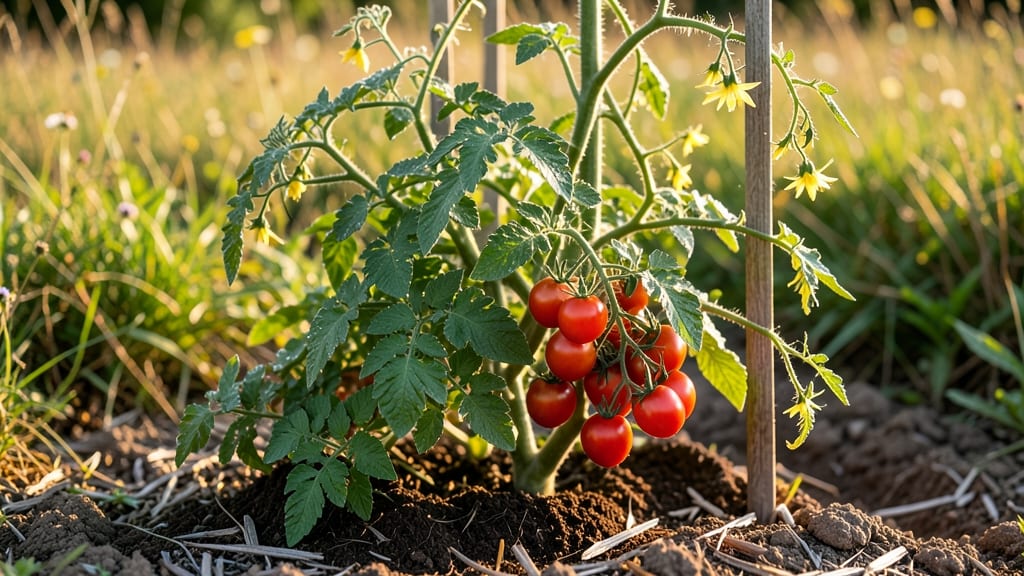
How high do tomato plants grow? They can range anywhere from 1 foot to over 12 feet tall, depending on the variety you choose—and knowing the difference saves you from crowded vines or wasted space.
Picture this: your cherry tomatoes 🍅 sprawling across your balcony railing like a jungle, or your bush varieties staying neatly contained in a pot.
The height of your tomato plants isn’t just about aesthetics—it’s about how you plan your garden, what support you’ll need, and even how much fruit you’ll harvest.
Indeterminate varieties (the vining types) can climb 10+ feet if left unchecked, while determinate (bush) tomatoes top out around 3-4 feet. The right choice means fewer tangled messes and more efficient use of your garden’s real estate.
In this guide, I’ll break down the height ranges for popular varieties, share pro tips for managing tall plants, and help you pick the perfect type for your space—whether that’s a container garden or a full-size plot.


Tomato plant height by variety: indeterminate vs determinate growth explained
If you've ever stared at a seed packet wondering how tall your tomato plants will grow, you're not alone. The answer depends entirely on whether you're growing indeterminate (vining) or determinate (bush) varieties—and knowing the difference can transform your garden layout.
Indeterminate types like 'Brandywine' can climb to 10+ feet with proper support, while determinate varieties like 'Roma' top out at a manageable 3-4 feet. This distinction isn't just about aesthetics; it affects everything from trellising needs to harvest timing.
Understanding these growth patterns helps you choose varieties that fit your space perfectly. A balcony garden might need compact determinate types, while a backyard plot can accommodate sprawling indeterminate vines.
Let's break down the key differences, iconic examples, and how to visualize their growth to make the best choice for your garden.
| Variety Type | Height Range | Growth Habit | Best For | Iconic Examples |
|---|---|---|---|---|
| Indeterminate | 6–12+ ft (with support) | Vining, continuous growth | Trellises, cages, large containers | 'Beefsteak', 'Sungold', 'Cherokee Purple' |
| Determinate | 3–5 ft (compact) | Bushy, stops growing after flowering | Containers, small plots, early harvests | 'Roma', 'Celebrity', 'Patio' |
| Semi-Determinate | 4–6 ft (moderate) | Hybrid of vining/bushy | Balconies, small trellises | 'Early Girl', 'Better Boy' |
The indeterminate varieties are the marathon runners of the tomato world—they keep growing and producing fruit until frost. Without proper support structures, they can become unruly, sprawling across garden beds or climbing onto nearby fences.
Varieties like 'Brandywine' or 'Sungold' can reach 10 feet or taller if given the right conditions, making them perfect for vertical gardening enthusiasts. Their continuous growth means a longer harvest season, but it also requires more maintenance to keep vines tidy and productive.
On the other hand, determinate tomatoes are the sprinters—they grow quickly to a set height and then focus all their energy on producing fruit in a single flush. This makes them ideal for container gardening or small spaces, as they rarely exceed 4 feet.
Varieties like 'Roma' or 'Celebrity' are classic choices for canning and sauces because their compact size makes them easy to manage and harvest all at once. If you're short on time or space, determinate types offer a low-maintenance solution.
Visualizing these differences helps with planning. Imagine a 6-foot trellis in your backyard—an indeterminate 'Beefsteak' tomato would thrive here, climbing upward while producing large, flavorful fruits.
Now picture a 5-gallon container on your patio: a 3-foot-tall 'Patio' tomato would fit perfectly, producing a steady supply of small, sweet fruits without overwhelming the space. The key is matching the variety to your available growing space and harvest goals.
For urban gardeners or those with limited square footage, semi-determinate varieties like 'Early Girl' strike a balance. They grow taller than determinate types but don’t require the same level of vertical support as indeterminate varieties.
These hybrids typically reach 4–6 feet and produce fruit over an extended period, making them versatile for balcony gardens or small trellises. If you're unsure which type to choose, consider your harvest frequency—indeterminate for continuous picking, determinate for a single big harvest.
Another factor influencing height is your climate and growing conditions.
Tomatoes in warmer climates with longer growing seasons may reach their maximum height faster, while cooler regions might see slower, more controlled growth. Pruning practices also play a role—regularly pinching back suckers on indeterminate varieties can encourage bushier growth and prevent them from becoming too top-heavy.
Meanwhile, determinate types generally don’t benefit from pruning, as their natural shape is already compact and sturdy.
When selecting varieties, don’t overlook the fruit size and yield tied to plant height. Tall indeterminate types often produce fewer but larger fruits (like 'Brandywine'), while shorter determinate types may yield more smaller fruits (like 'Roma').
If you're growing for sauces or canning, determinate varieties are usually the better choice due to their uniform, early harvest. For fresh eating or slicing, indeterminate types offer a longer season with fewer but larger tomatoes.
Pro tip: If you love the idea of tall, productive indeterminate tomatoes but lack vertical space, consider espalier training. This technique involves pruning and tying vines to a flat surface (like a fence or wall), creating a space-saving, decorative display.
Even in a small yard, you can grow 'Sungold' cherry tomatoes along a trellis that fits neatly against your house. For containers, choose dwarf or semi-dwarf varieties and ensure your pot is at least 5 gallons to accommodate root growth.
Ultimately, the height of your tomato plants will shape your entire gardening experience—from the tools you use to the harvest you enjoy. By understanding these growth patterns, you can create a tomato garden that’s not only productive but also tailored to your unique space and lifestyle.
Whether you're a balcony gardener with limited room or a backyard enthusiast with plenty of space, there’s a tomato variety that’s perfect for you.
How to control tall tomato plants: pruning, trellising, and support techniques
Tall tomato plants can quickly become unruly without proper support, especially indeterminate varieties that grow 6-10 feet tall. Controlling their height isn’t just about aesthetics—it’s about maximizing fruit production, improving airflow, and preventing disease.
With the right techniques, even small-space gardeners can train vines vertically, saving space and boosting yields.
Start by choosing the right support structure based on your variety and space. Trellises work well for tall varieties, while cages suit bushier types. For containers, stakes or tomato clips keep plants upright without taking up extra room.
The key is to intervene early—once vines reach 3 feet, they’re harder to manage effectively.
Step-by-Step Guide to Managing Tall Tomato Plants
- 1 Install support at planting: Bury stakes 2 feet deep or attach a trellis to a fence. Use galvanized wire cages for determinate varieties to avoid bending.
- 2 Prune suckers weekly: Remove suckers (shoots in leaf axils) with your fingers or clean pruners. Focus on the lower 18 inches to improve airflow and fruit access.
- 3 Train vines upward: Gently tie main stems to supports with soft plant ties or twine. Avoid cutting into the stem—rubber bands can damage bark over time.
- 4 Top the plant at 5-6 feet: Once the main stem reaches your desired height, pinch off the top to redirect energy to fruit production. This prevents excessive height while maintaining yield.
- 5 Fertilize and water consistently: Use a balanced fertilizer (10-10-10) every 4-6 weeks and water at the base to encourage strong, upright growth. Avoid overhead watering to prevent disease.
For container gardening, opt for compact trellises or A-frame supports that fit within the pot’s footprint. If your balcony railing is the only option, use plastic-coated wire to secure vines without damaging surfaces. Remember, pruning isn’t optional—it’s how you control height and improve fruit quality.
Pro tip: Harvest regularly to encourage more production. Overripe tomatoes signal the plant to stop flowering, so stay on top of picking. With these techniques, even 10-foot vines can be tamed into productive, space-saving powerhouses—perfect for balconies, patios, or small urban plots.
🌱