
Companion Plants
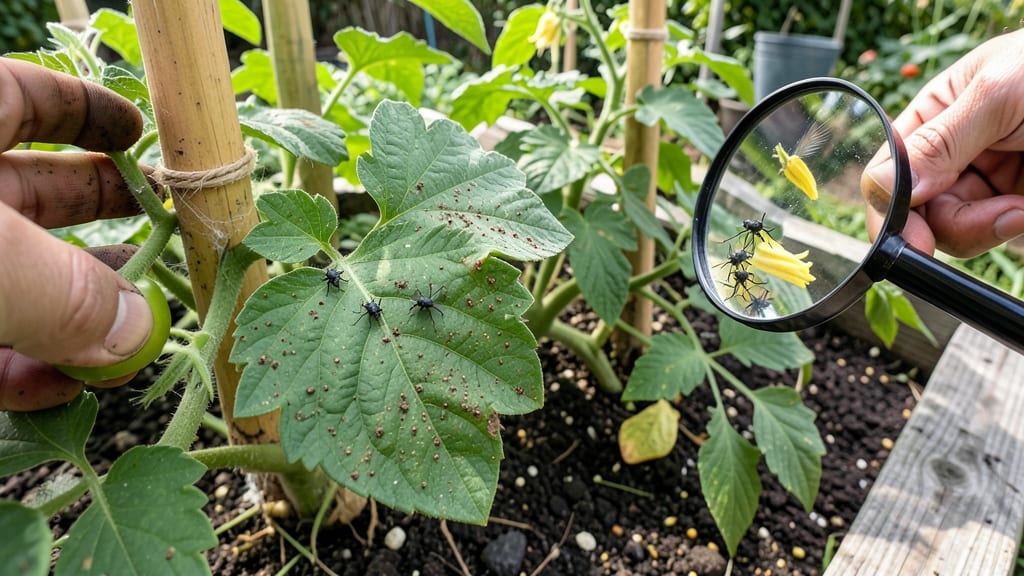
Black flies on tomato plants aren't just annoying—they can stunt growth and ruin your harvest if left unchecked. 🌱 I've battled these tiny invaders for years, and the key to winning is understanding their life cycle and outsmarting them before they multiply.
Most gardeners reach for sprays first, but the real solution lies in natural predators and simple prevention.
The real culprits are usually fungus gnats or aphids, which thrive in moist soil and crowded plants. You'll spot them as tiny black flies hovering near your tomatoes or as tiny white eggs on stems.
The damage shows up as yellowing leaves, stunted growth, or even deformed fruit—all signs your plants are stressed. The good news? These pests have natural enemies that can keep them in check without harsh chemicals.
By introducing beneficial insects like ladybugs, lacewings, or nematodes, you'll see a dramatic drop in black fly populations within weeks. 🌿 Pair that with proper spacing, well-draining soil, and yellow sticky traps, and you'll create an environment where these pests can't survive.
The best part? Your tomatoes will grow stronger, with fewer pests and more flavorful fruit by harvest time.
This approach works for both container gardens and in-ground plots, and it's safe for pollinators too. Once you see how quickly the balance shifts in your favor, you'll wonder why you ever considered sprays. Let's get those tomatoes thriving without the pests!
Root Causes of Tiny Winged Invaders
Those pesky black flies buzzing around your tomato plants aren’t just a nuisance—they’re often a sign of deeper issues lurking in your garden. Understanding why they appear helps you tackle the problem at its source.
Below, we break down the most common reasons these tiny pests target your tomatoes, complete with scientific insights and actionable clues to spot them early.
Tomato plants under stress—whether from poor spacing, nutrient deficiencies, or disease—emit volatile organic compounds (VOCs) that attract black flies (like fungus gnats). These pests thrive in damp, nutrient-rich soil where weakened plants can’t fend them off.
- Signs:
- Yellowing leaves (chlorosis) from overwatering or poor drainage
- Stunted growth or wilting despite adequate water
- Mushy stems or roots (signs of root rot or disease)
- Why it happens:
Black flies lay eggs in moist, organic matter. Stressed plants produce more sugars and decaying tissue, creating an all-you-can-eat buffet for larvae. Fungus gnats, a common type of black fly, prefer soil with high ammonia levels—often a byproduct of over-fertilized or compost-heavy beds.
- Actionable fix:
- Space tomato plants 18–24 inches apart for airflow and sunlight.
- Test soil pH (aim for 6.0–6.8 for tomatoes) and amend with compost or organic matter if deficient.
- Reduce overhead watering to prevent fungal diseases (like early blight) that weaken plants.
Black flies—especially fungus gnats—love damp conditions. If your tomato plants sit in soggy soil, you’re essentially inviting larvae to move in and feast on organic debris. Poor drainage doesn’t just drown roots; it creates the perfect breeding ground for these pests.
- Signs:
- Water pooling around plant bases after rain or watering
- White, worm-like larvae in the top 1–2 inches of soil
- Mold or mildew on soil surface
- Why it happens:
Fungus gnat larvae need moisture and decaying matter to survive. When soil stays saturated, organic particles (like fallen leaves or uneaten fertilizer) break down faster, releasing nutrients that attract adult flies. Shade-loving species (like Bradysia) also thrive in damp, low-light conditions under dense foliage.
- Actionable fix:
- Improve drainage by adding perlite, sand, or coconut coir to heavy clay soil.
- Water deeply but infrequently—aim for 1–1.5 inches per week, letting soil dry slightly between waterings.
- Use drip irrigation instead of sprinklers to keep foliage dry.
Black flies often flock to tomato plants already battling fungal or bacterial diseases. These infections create ideal conditions for pests by weakening the plant’s defenses and producing decaying tissue rich in nutrients.
- Signs:
- Brown, crinkled leaves (early blight or septoria leaf spot)
- Yellow, V-shaped lesions on lower leaves (bacterial spot)
- White, fuzzy mold on stems or leaves (powdery mildew)
- Why it happens:
Diseased plants exude sugary secretions (like honeydew) that attract black flies. For example:
- Fungus gnats are drawn to root-infecting fungi like Pythium.
- Leafminers (another black fly relative) target plants with powdery mildew, which weakens leaf tissue.
- Actionable fix:
- Remove and destroy infected leaves immediately (don’t compost them!).
- Apply copper fungicide or neem oil (for bacterial/fungal issues) as a preventive spray.
- Rotate crops annually to prevent soil-borne pathogens from building up.
Too much nitrogen or organic matter in the soil can turn your tomato plants into a black fly magnet. While nitrogen fuels leafy growth, an imbalance creates conditions that pests can’t resist.
- Signs:
- Excessive leaf growth with few flowers/fruit
- Dark, sticky residue on soil (from over-fertilization)
- Adult black flies hovering near the soil surface
- Why it happens:
High nitrogen levels (from fresh manure, blood meal, or synthetic fertilizers) boost microbial activity in soil. This creates:
- A warm, anaerobic environment that fungus gnat larvae adore.
- Extra ammonia, which attracts adult flies for egg-laying.
- Actionable fix:
- Switch to a balanced fertilizer (e.g., 5-10-10) and reduce nitrogen-heavy amendments.
- Use slow-release organic matter like composted leaf mold instead of fresh mulch.
- Let soil dry slightly between waterings to reduce microbial overactivity.
💡 Pro Tip: If you’re seeing black flies and yellowing leaves, test your soil’s nitrogen levels with a home kit. A reading above 100 ppm may indicate over-fertilization.
Natural Ways to Control Black Flies
Black flies on tomato plants might seem like a tiny nuisance, but with the right approach, you can keep them in check without resorting to harsh chemicals. The key is to combine preventive measures, targeted treatments, and encouraging natural predators.
Below, we’ll break down the best solutions based on the root causes—whether it’s overcrowded plants, excess moisture, or a lack of beneficial insects—and provide step-by-step fixes that work.
Black flies thrive in dense, humid conditions where airflow is poor. If your tomato plants are packed too closely together, they’ll become a buffet for these pests.
How to do it:
- 🔥 Prune aggressively – Trim back excess foliage, especially lower leaves that touch the soil. Focus on removing yellow or diseased leaves first.
- 🍳 Space plants properly – Give tomato plants 18–24 inches of space between each plant (or 36 inches for indeterminate varieties). If you’re growing in containers, ensure they’re not crammed together.
- 👨🍳 Use trellises or cages – Support vining tomato plants to keep them upright. This lifts foliage away from the ground, reducing humidity at the base where black flies love to linger.
💡 Pro Tip: If you’re dealing with an established garden, gradually thin out plants over a few weeks to avoid shocking the tomatoes. A little stress now prevents a bigger infestation later!
Black flies adore damp, soggy conditions. If your tomato plants are sitting in wet soil or getting splashed with water during irrigation, you’re basically rolling out the welcome mat.
How to do it:
- 🥘 Water at the base, not overhead – Use drip irrigation or soaker hoses to deliver water directly to the roots. Avoid sprinklers, which can spread eggs and attract flies.
- ⏰ Water early in the day – If you must water by hand, do it before 10 AM so foliage has time to dry. Wet leaves overnight = black fly paradise.
- 🔪 Improve drainage – Amend heavy clay soil with compost or perlite to help water drain faster. Raised beds also work wonders for airflow and drying speed.
🌡️ Heat & Dry Them Out: If you notice black flies clustering on leaves, mist the plants lightly with water in the morning (not evening). The heat of the day will evaporate moisture, making the environment less inviting.
Nature’s pest control is often the most effective—and free! Encouraging black fly predators will help keep their populations in check without chemicals.
How to do it:
- 🎯 Attract ladybugs – These tiny powerhouses devour black fly larvae. Plant dill, fennel, or marigolds nearby to lure them in, or buy ladybugs from a garden center and release them at dusk.
- ✨ Introduce lacewings – Lacewing larvae (called "aphid lions") hunt black fly eggs and young nymphs. Plant cosmos, sweet alyssum, or yarrow to attract them.
- 🐝 Support parasitic wasps – Tiny braconid wasps lay eggs inside black fly larvae, killing them from within. Avoid pesticides, and they’ll find your garden on their own!
💡 Pro Tip: Avoid broad-spectrum insecticides—they’ll kill beneficial insects right along with the pests. Stick to neem oil, insecticidal soap, or horticultural oil if you need a quick spray.
If black flies are already wreaking havoc, a targeted organic spray can help disrupt their life cycle without harming your tomatoes or beneficial insects.
Best options:
| Spray | How to Use | When to Apply |
|---|---|---|
| Neem Oil | Mix 1 tsp neem oil + 1 tsp mild soap per quart of water. Spray evenly on both sides of leaves. | Early morning or late evening (avoid direct sun). Reapply every 5–7 days. |
| Insecticidal Soap | Use a pre-mixed spray (like Safer® Brand) and apply directly to flies. Avoid spraying flowers to protect pollinators. | When flies are most active (morning/evening). Reapply after rain. |
| Kaolin Clay | Mix 1–2 tbsp kaolin clay per gallon of water. Spray to create a protective film on leaves. | Preventative treatment—apply before flies appear. |
⚠️ Important: Always test sprays on a small leaf first to ensure they don’t cause damage. And never spray when bees are active (early morning or late evening is safest).
The best way to deal with black flies? Stop them before they start. Here’s how to keep your tomato plants fly-free season after season.
- 🌿 Plant companion flowers – Marigolds, nasturtiums, and borage repel black flies and attract their predators.
- 🍅 Rotate crops – If you’ve had black fly issues in past years, avoid planting tomatoes in the same spot (they bring their eggs with them!).
- 🧹 Clean up debris – Remove fallen leaves, weeds, and plant trash at the end of the season to eliminate hiding spots for overwintering flies.
- 🌡️ Mulch strategically – Use straw or wood chips to keep soil moist but not soggy, and prevent splashing.
With these natural, practical solutions, you can keep black flies from turning your tomato plants into a buffet. The key is acting fast—once they get a foothold, they multiply quickly.
But with a little prevention and the right predators on your side, your tomatoes will thrive pest-free and delicious! 🍅💚
Frequently asked questions
Are those tiny black flies on my tomatoes actually harmful?
Yes, they can be! Most are fungus gnats or leafminers, whose larvae damage roots and leaves. Adults don't bite but their presence signals soil moisture issues. Left unchecked, they'll stunt growth and reduce yields by 30-50%. The key is acting fast—larvae thrive in damp soil and multiply quickly.
What's the fastest way to get rid of black flies without chemicals?
For immediate relief, try yellow sticky traps (place near plants) to catch adults. Combine with drip irrigation (no overhead watering) and let soil dry between waterings. Add beneficial nematodes (like Steinernema feltiae) to the top 2 inches of soil—they kill larvae within 48 hours. Repeat every 2 weeks for best results.
Can I use coffee grounds to repel black flies from tomato plants?
Yes, but with caution! Fresh coffee grounds can attract fungus gnats initially (they love nitrogen). Instead, use dried, used grounds as mulch—it improves soil structure and repels pests long-term. Sprinkle a ½-inch layer around plants but keep it 2 inches away from stems to prevent mold. Pair with proper drainage for best results.
Why do black flies keep coming back even after I treated them?
They likely have a hidden life cycle in your soil. Check for: overwatering (keep soil 60% moisture max), uneaten fertilizer (clean up debris), or poor drainage (amend with perlite). Also, eggs can survive for 3-6 months in moist soil—rotate crops and use kaolin clay as a barrier. Persistence is key!
Are there any tomato varieties naturally resistant to black flies?
No variety is completely resistant, but cherry tomatoes (like 'Sungold') and determinate types (like 'Roma') tend to handle infestations better due to their compact growth. The real defense is healthy soil—focus on balanced fertility (no nitrogen spikes) and good airflow through proper spacing. Strong plants repel pests naturally!