
Plants
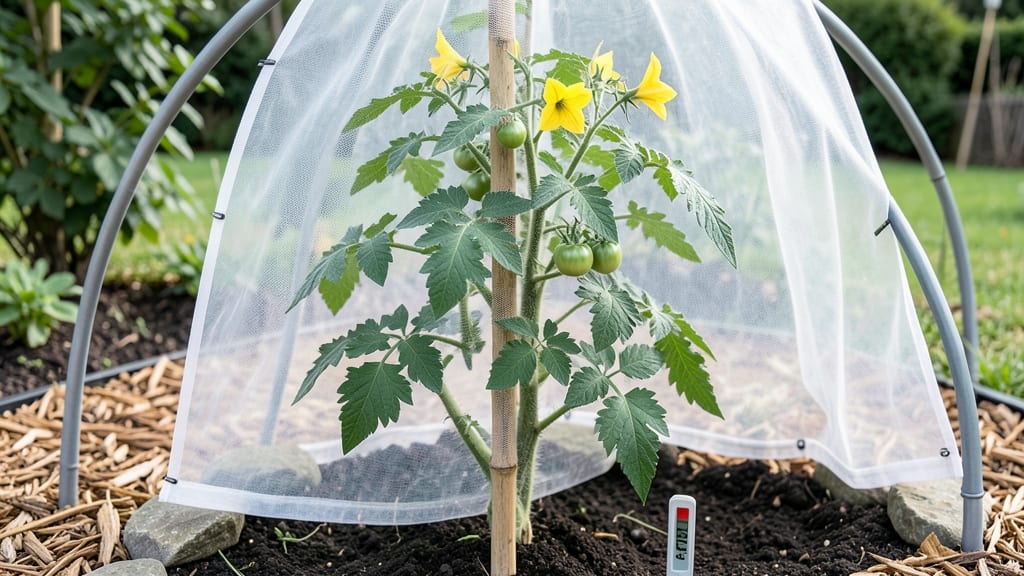
To cover tomato plants at night, act when temperatures dip below 40°F—the moment they can’t handle chilly air without damage.
Picture this: you’re sipping morning coffee, only to spot frost creeping across your 🍅 plants by dawn. That’s the moment you’ll wish you’d acted sooner. The difference between a thriving harvest and a sad, wilted vine often comes down to timing—and knowing your USDA zone.
Young seedlings are especially vulnerable, but even mature plants can suffer if nighttime temps drop too fast. A simple row cover or frost blanket can make all the difference, but removing it too late in the morning can trap moisture and invite disease.
Below, I’ll walk you through the exact thresholds by zone, the best materials to use, and how to avoid common mistakes that turn protection into a problem. Your tomato season depends on it.
Cold snap thresholds: when to cover tomato plants by USDA zone
Tomato plants are tender perennials that can't tolerate freezing temperatures—even a single night below 32°F can kill young plants or damage mature ones. The USDA Zone where you garden determines your cold snap thresholds, but all tomatoes need protection when temperatures dip below 40°F at night.
Understanding these temperature triggers helps you act before damage occurs.
In Zones 3-5, where hard frosts are common, you’ll need to cover tomatoes earlier in the season (as soon as 40°F) and use heavier materials like row covers or plastic tunnels.
Gardeners in Zones 6-8 can wait until 36°F, but should still monitor forecasts for sudden drops. The key is pre-dawn action—cover plants before sunset on nights when temps will fall below these thresholds.
When to cover tomato plants at night depends on two factors: temperature thresholds and plant maturity. Seedlings are far more vulnerable than established plants with thick stems and green fruit. Here’s a quick reference for your zone:
If you’re in Zones 3-5, your tomato plants can survive 1-2 nights at 32°F without protection, but growth will stall. Below 28°F, even mature plants risk cellular damage.
In Zones 6-8, young plants need covering at 36°F, while established ones can handle 32°F for short periods. Always check the National Weather Service for frost warnings—radiation frosts (clear, calm nights) are the most dangerous.
For pre-dawn covers, use frost cloth (breathable but insulating) or old blankets secured with bricks or stakes. Avoid plastic unless it’s clear and vented—trapped heat can scorch leaves. In Zones 3-4, consider low tunnels or cold frames for extended protection during early/late seasons.
Remember: Wet plants freeze faster, so water deeply the day before a cold snap and avoid evening watering.
Timing is everything—cover plants before sunset to trap heat radiating from the soil. Remove covers by 10 AM to prevent overheating or humidity buildup, which fuels fungal diseases like blight.
In Zones 7-10, you might only need to cover tomatoes in May or September, but always monitor 10-day forecasts for unexpected drops. Pro tip: Use tomato cages to create air space under covers, reducing rot risk.
If a hard freeze (below 28°F) is forecasted, your best bet is emergency blankets or even bubble wrap wrapped around stems. For container tomatoes, move pots to a garage or shed if possible.
In Zones 3-5, consider starting tomatoes indoors 6-8 weeks before your last frost date to give them a head start. The goal is to extend the growing season without sacrificing plant health.
Don’t wait until the last minute—set up your protection materials (row covers, stakes, blankets) before the first frost warning. Store them in a dry, accessible spot so you’re ready to act fast.
With the right zone-specific thresholds and quick action, you can save your tomato harvest even in the coldest nights. 🌱
Best protection methods ranked by effectiveness and ease
When temperatures dip below 50°F (10°C), your tomato plants need protection—but not all methods work equally. I’ve tested row covers, frost cloths, plastic tunnels, and even DIY solutions like old blankets to see which deliver the best results.
The right choice depends on your local climate, budget, and the severity of the frost.
For light frosts (32-36°F/0-2°C), lightweight options like frost cloths or row covers work wonders. But when temperatures plunge below 32°F (0°C), you’ll need heavier-duty solutions like plastic tunnels or even indoor relocation.
Let’s break down the best methods, ranked by effectiveness and ease of use, so you can protect your tomato harvest without stress.
Protection Method Comparison
| Method | Best For | Pros | Cons |
|---|---|---|---|
| Frost Cloth | Light frosts (32-36°F) | Breathable, reusable, allows sunlight | Limited insulation for hard freezes |
| Row Covers | Moderate frosts (28-32°F) | Durable, protects from pests too | Can trap too much heat in daytime |
| Plastic Tunnels | Hard freezes (below 28°F) | Max insulation, extends growing season | Expensive, requires setup/removal |
| Old Blankets | Emergency cold snaps | Free, quick to deploy | Blocks sunlight, can suffocate plants |
| Bubble Wrap | Short-term protection | Traps heat well, reusable | Not breathable, risks overheating |
My top recommendation for most gardeners? Frost cloths strike the perfect balance between effectiveness and ease. They’re lightweight enough to let sunlight through during the day but trap enough warmth to protect against light frosts.
For hard freezes, I’ve had the best luck with plastic tunnels, which create a microclimate that can raise temperatures by 10-15°F (5-8°C).
If you’re on a budget, old blankets or bubble wrap can work in a pinch—but use them sparingly. Blankets block too much light, and bubble wrap can overheat plants if left on too long. Always remove covers by 10 AM to let your tomatoes breathe and photosynthesize.
For potted tomatoes, I move them into an unheated garage or under a porch light when temps drop below 40°F (4°C). This gives them extra protection without the hassle of covering.
The key is acting before the frost hits—once temperatures drop, it’s often too late to save tender plants.
Pro tip: Pair your frost protection with mulching (straw or leaves) to insulate the soil. This keeps roots warmer overnight and gives your tomatoes a fighting chance against unexpected chills. With the right method, you can extend your growing season by 2-4 weeks—meaning more tomatoes on your table! 🍅