
Pests and Diseases
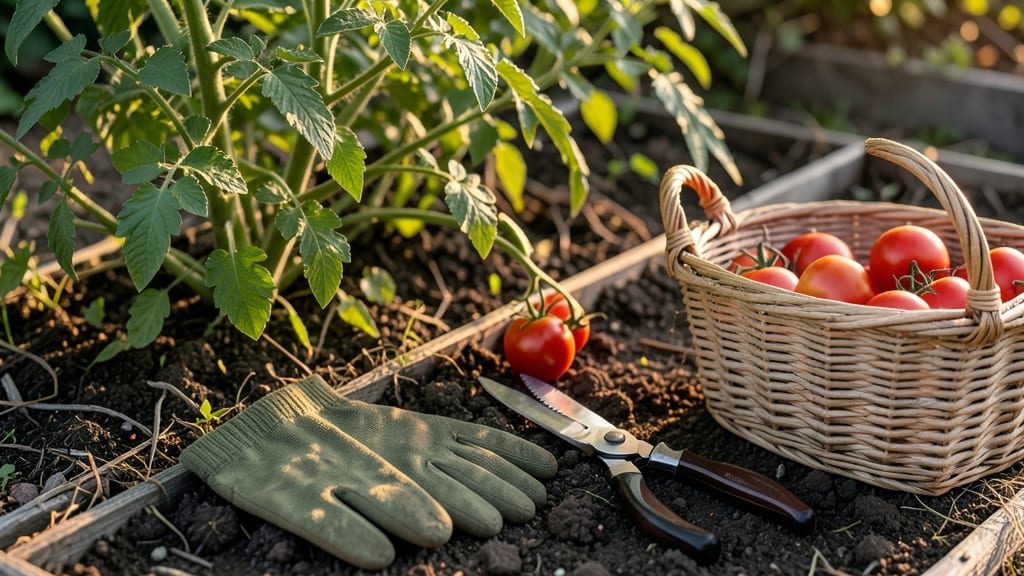
A tomato is ready to pick when its color deepens, stem separates easily, and it yields slightly to pressure — the sweetest flavor comes from nailing these three cues.
Picture this: you’ve waited all season for that first ripe 🍅, only to bite into one that’s mealy or bland. That’s the cost of picking too early or too late.
The good news? With just a few simple checks, you can avoid the disappointment and turn your garden into a flavor factory.
Color isn’t the only clue—texture and stem behavior matter just as much. Heirloom varieties like Brandywine might blush pink before turning deep red, while hybrids like Early Girl ripen uniformly.
I’ll walk you through every trick, from the classic squeeze test to the telltale "blush" at the bottom that means it’s time to harvest.
You’ll also learn how to handle those stubborn green tomatoes, whether to leave them on the vine or bring them inside for after-ripening. By the end, you’ll know exactly when to snip—and how to make every tomato taste like a summer day.


Tomato ripeness by color: what shades mean for flavor and texture
Tomatoes are nature’s flavor masterpieces, and their color changes are your best indicator of ripeness. Each shade—from green to red—reveals a different stage of sweetness and texture. Understanding these cues ensures you harvest at peak flavor, whether you're growing heirloom varieties like Brandywine or hybrid types like Early Girl.
Color isn’t the only factor—variety differences play a huge role. Heirlooms often develop deeper, more complex hues, while hybrids may ripen more uniformly. For example, a yellow tomato like Sun Gold will never turn red but reaches its sweetest point when fully golden.
Let’s break down what each color means for your harvest timing and taste.
🌱
| Color Stage | Ripeness Level | Harvest Time | Flavor Profile | Variety Notes |
|---|---|---|---|---|
| Green | Unripe | Not ready (unless early harvest) | Starchy, bland | All varieties start green |
| Yellow/Orange Blush | Breaker Stage | Pick soon for indoor ripening | Mild sweetness developing | Common in heirlooms like Cherokee Purple |
| Full Yellow/Orange | Fully Ripe | Harvest immediately | Sweet, fruity, peak flavor | Sun Gold, Orange Pear |
| Pink/Red Blush | Near-Ripe | Pick in 2-3 days | Balanced acidity | Most hybrids transition here |
| Deep Red/Purple | Fully Ripe | Harvest immediately | Rich, complex, jammy | Heirlooms like Brandywine |
| Striped/Other Colors | td style="padding: 10px;">Fully RipeHarvest when color stable | Unique to variety | Green Zebra, Black Krim |
Green tomatoes are the starting point for all varieties, but don’t harvest them unless you’re preparing for an early frost or planning to ripen them indoors. The breaker stage—when the first hints of color appear—signals sugar development.
For heirloom tomatoes, this might be a yellow blush, while hybrids often show pink or orange first.
Fully ripe tomatoes reach their peak flavor when their color is deep and uniform. A red tomato like Celebrity should be vibrant crimson, while yellow varieties like Lemon Boy will be bright gold.
The key is consistency—no green patches or uneven shading. Pro tip: Check the stem end—it should turn yellow or brown when fully ripe.
Color isn’t the only clue—texture changes dramatically as tomatoes ripen. A ripe tomato will feel slightly soft when gently squeezed, almost like a ripe avocado. This isn’t mushiness; it’s the natural breakdown of cell walls that releases those sugars and acids we crave.
If you press too hard and leave an indent, it’s past its prime.
One common mistake is waiting too long for red tomatoes to ripen on the vine. While this works in warm climates, cooler weather can cause them to split or develop mealy interiors.
For heirloom varieties, which often have thicker skins, you can leave them on the vine slightly longer. But hybrids like Early Girl should be picked when 70-80% colored to prevent cracking.
Don’t overlook unusual colors like purple, black, or striped patterns. These heirloom varieties (think Black Krim or Green Zebra) ripen when their color is fully developed, even if it’s not red.
The key is stability—once the color stops changing and the tomato feels slightly soft, it’s ready. These varieties often have more complex flavors when harvested at this stage.
For container-grown tomatoes, color cues are even more critical since space limitations can affect ripening. Dwarf varieties like Tiny Tim or Patio Princess will show the same color progression as their larger counterparts, but their smaller size means you’ll need to monitor them daily.
A quick twist test (gently rotating the tomato) will tell you if it’s ready—if it separates easily from the vine, it’s time to pick.
Remember: color alone doesn’t guarantee flavor. Environmental factors like temperature and sunlight play huge roles. Tomatoes grown in hot weather (above 90°F) may ripen quickly but develop less sugar.
In cooler climates, they’ll ripen slower but often taste more complex. Always combine color with the squeeze test and stem check for the best results.
The squeeze test and other physical signs your tomatoes are ready
Beyond just checking the color, your fingers are your best tool for determining when tomatoes are truly ready to pick. The squeeze test and stem separation are two foolproof methods that reveal a tomato's ripeness without guesswork.
These tactile clues help you avoid picking too early—when tomatoes are still hard and underripe—or too late, when they've overripe and become mealy.
Start by gently squeezing the tomato between your thumb and forefinger. A ripe tomato should feel slightly soft but still firm, almost like a ripe avocado. If it feels rock-hard, it needs more time on the vine.
If it feels mushy or squishy, it's past its prime. This test works best when combined with other visual and physical cues to get the perfect balance of flavor and texture.
⚠️ callout-warning ⚠️
Tomatoes that feel too soft or have wrinkled skin are overripe. These often develop a fermented taste and should be used immediately in recipes like sauces or salsas. If you're unsure, pick a slightly firmer tomato from the same cluster.
The stem separation test is another reliable method. Gently twist the tomato while holding the vine. A ripe tomato will separate cleanly from the vine with minimal resistance. If the stem snaps or tears, the tomato is ready.
This method is especially useful for heirloom varieties, which often ripen unevenly. Pay attention to the stem end—when it turns yellow or develops a "blush," that's another sign of ripeness.
Not all tomatoes ripen on the vine, especially in cooler climates. If frost threatens before your tomatoes fully ripen, harvest them when they're light green and allow them to ripen indoors. Look for tomatoes that are firm but yielding to the squeeze test, even if they're not fully colored.
Place them in a paper bag with a banana or apple to speed up ripening using natural ethylene gas.
For cherry tomatoes and smaller varieties, the rules are slightly different. They often ripen faster and may soften more quickly. Pick them when they're fully colored and just beginning to yield slightly to pressure.
Overripe cherry tomatoes can burst easily, so harvest them more frequently. Keep an eye on clusters—sometimes only a few tomatoes in a bunch will ripen at a time, making selective picking essential.
Remember, the best time to pick is early morning when temperatures are cool. This helps preserve flavor and prevents bruising. Use clean, sharp pruning shears or simply twist the tomato gently to avoid damaging the plant.
By mastering these physical signs, you'll transform your tomato harvest from hit-or-miss to consistently delicious every time.