
Companion Plants
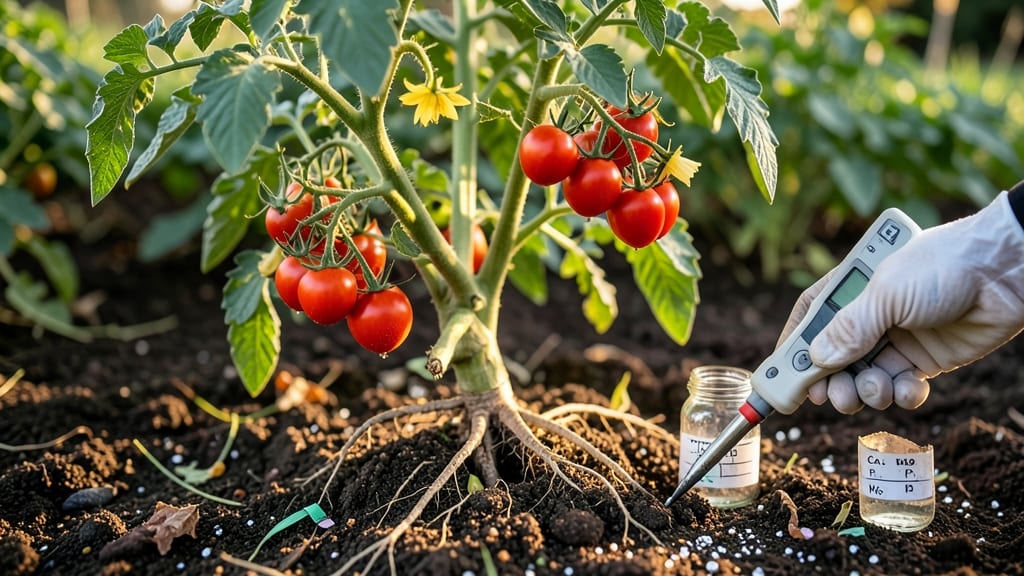
Tomato plants thrive when soil pH aligns with their natural needs—but most gardeners get it wrong. Discover the exact pH range that boosts fruit production, prevents common diseases, and unlocks the secrets to healthier tomato harvests this season.
Optimal Soil pH Range for Tomato Growth
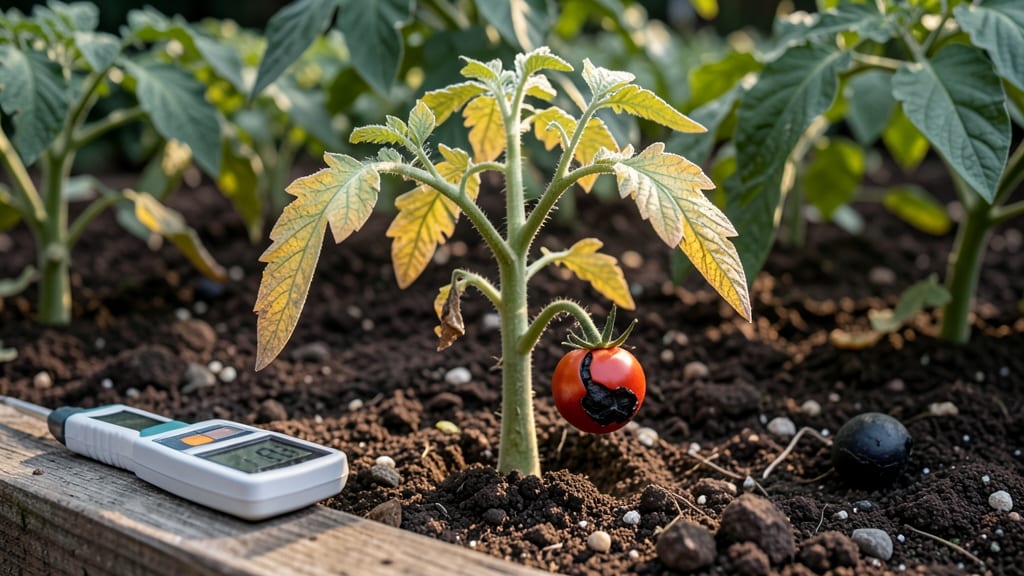
Your tomato plants might be telling you they're unhappy—yellowing leaves, stunted growth, or blossom-end rot could all be signs your soil pH is off. The science-backed sweet spot for tomatoes is a pH range of 5.8 to 6.8, where nutrient uptake is optimized and disease resistance peaks.
At this ideal range, tomatoes absorb essential nutrients like phosphorus, potassium, and nitrogen efficiently, leading to stronger vines and higher yields. A pH below 5.8 or above 6.8 disrupts this balance—too acidic (<5.8) can cause magnesium deficiency (yellowing between leaf veins), while too alkaline (>6.8) triggers iron chlorosis (pale new leaves) and blossom-end rot. Even slight deviations can reduce fruit set by up to 30%.
This range is especially critical for container gardeners and those in calcareous soil regions (like much of the Southwest U.S.), where natural alkalinity often requires amendments. Start here to set your tomatoes up for success—your harvest will thank you! 🌱
How to Test Soil pH Before Planting
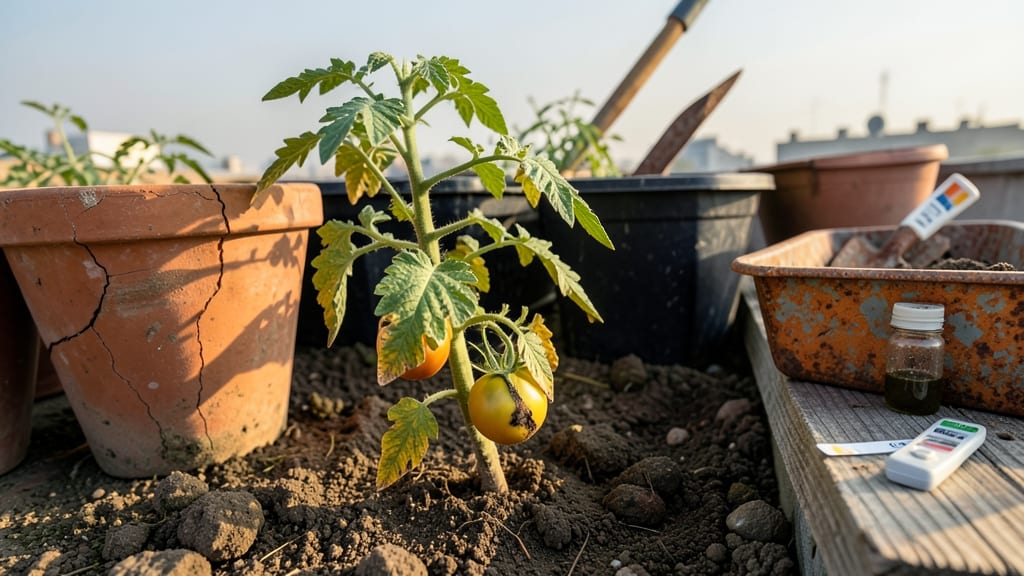
Urban gardeners and container growers often assume their soil is fine—until their tomato plants show signs of stress. Without proper testing, you might be missing the chance to optimize your plants' nutrient uptake and prevent common issues like blossom-end rot or stunted growth.
Start with a DIY soil test kit (like MySoil or Luster Leaf) for a quick, affordable check—just mix soil with distilled water and compare the color to the chart. For precise readings, a digital pH meter (like Bluelab) gives instant results in seconds. Remember, container soil can change pH faster than in-ground soil, so test every 2-3 months during the growing season, especially after heavy rain or fertilizer use.
This simple step ensures your tomatoes get the perfect balance of nutrients they crave. 🌱
Adjusting pH for Acid-Loving Tomato Varieties
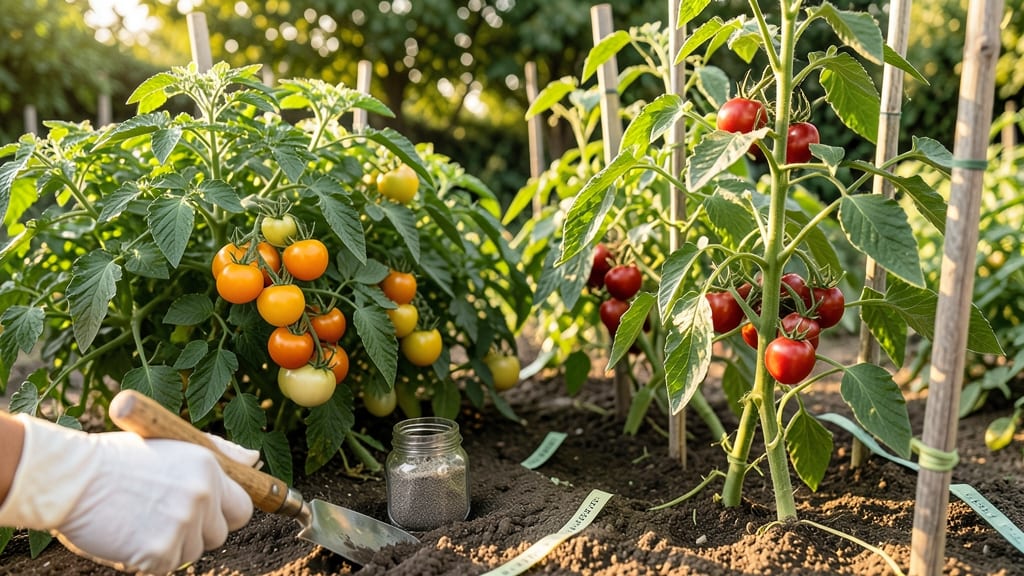
Not all tomatoes are created equal when it comes to soil acidity—heirloom and cherry varieties like 'Sungold' thrive in slightly acidic conditions (pH 5.8–6.2), while standard slicers prefer the broader 6.0–6.8 range. If your soil test reveals a higher pH, these acid-lovers may struggle with nutrient uptake, leading to pale leaves and poor fruit set.
To lower pH safely, use elemental sulfur (sprinkle 1–2 pounds per 100 sq ft and water in) or peat moss (mix 2–3 inches into the topsoil). Avoid aluminum sulfate, which can harm beneficial microbes. For container growers, amend potting mix with pine fines or coffee grounds (¼ cup per gallon of mix) to create a naturally acidic environment.
This adjustment is especially valuable for gardeners growing acid-loving heirlooms in alkaline regions or urban containers. A little acidity can mean the difference between blight-prone plants and robust, disease-resistant vines loaded with sweet fruit. 🌱
Common pH Mistakes That Kill Tomato Plants
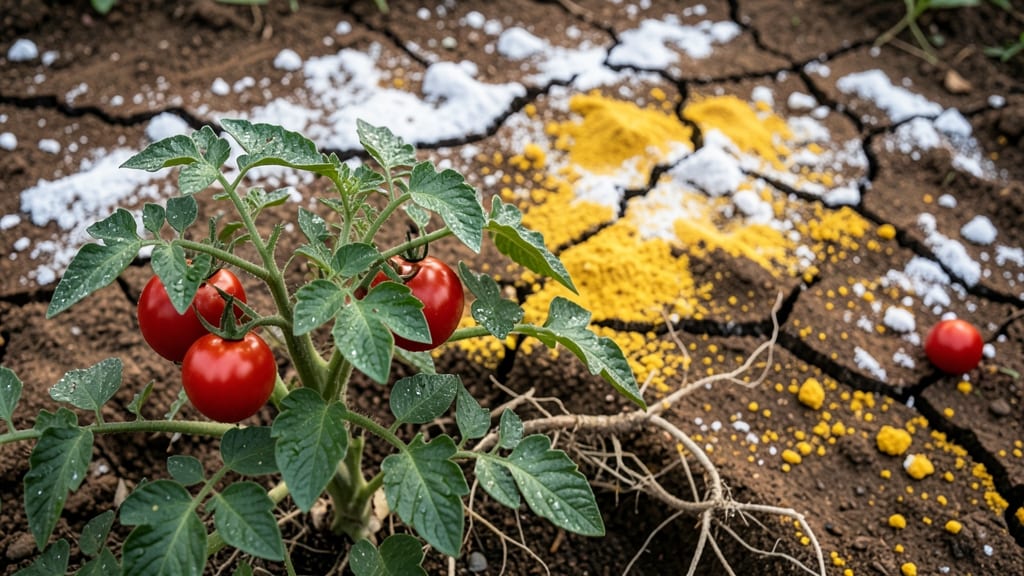
Your well-intentioned pH adjustments might actually be sabotaging your tomato plants. Overcorrecting pH—whether by adding too much lime or sulfur—disrupts the delicate balance of soil microbes and nutrient availability, leaving plants struggling even if the pH looks right on paper.
Another silent killer? Ignoring regional soil alkalinity. In many areas (especially those with limestone bedrock), soil naturally trends toward pH 7.5+, making tomatoes suffer from magnesium and iron deficiencies—yet gardeners assume their pH is fine. Using quick-release amendments like powdered lime can also burn roots, while organic options (like composted manure) adjust pH gradually without harm.
These mistakes are most common among new gardeners in alkaline regions or those using pre-mixed potting soils with hidden pH buffers. A simple soil test before planting—and patience when adjusting—can save your harvest from stunted growth or blossom drop. 🌻
Best Organic Amendments for pH Balance
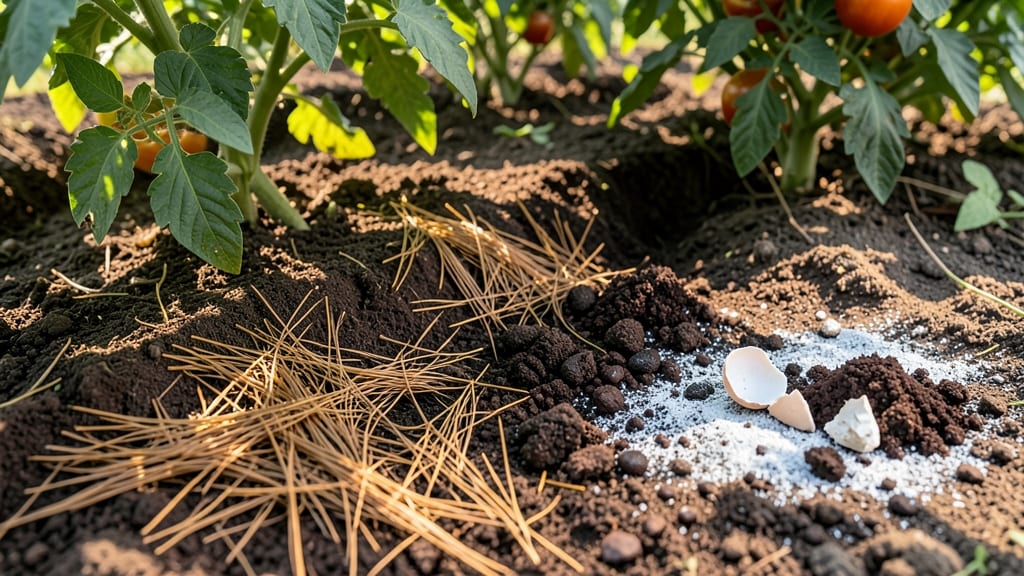
Skip the chemical pH adjusters—your garden’s natural materials can fine-tune soil acidity perfectly for tomatoes. Pine needles (for acid-loving varieties) and coffee grounds (to lower pH gradually) are free, easy to source, and work over time without shocking plant roots.
For raising pH, spread composted manure or wood ash (sparingly) to add alkalinity, while leaf mold or peat moss keeps soil slightly acidic. Mix amendments into the top 6 inches of soil 2–4 weeks before planting, and reapply mid-season if needed. These organic options also improve soil structure and microbial life—no harsh chemicals required.
Urban gardeners and organic growers will love this approach—it’s budget-friendly, sustainable, and safer for beneficial soil organisms. Your tomatoes will reward you with stronger roots and bigger yields. 🌱
pH and Disease Resistance in Tomatoes
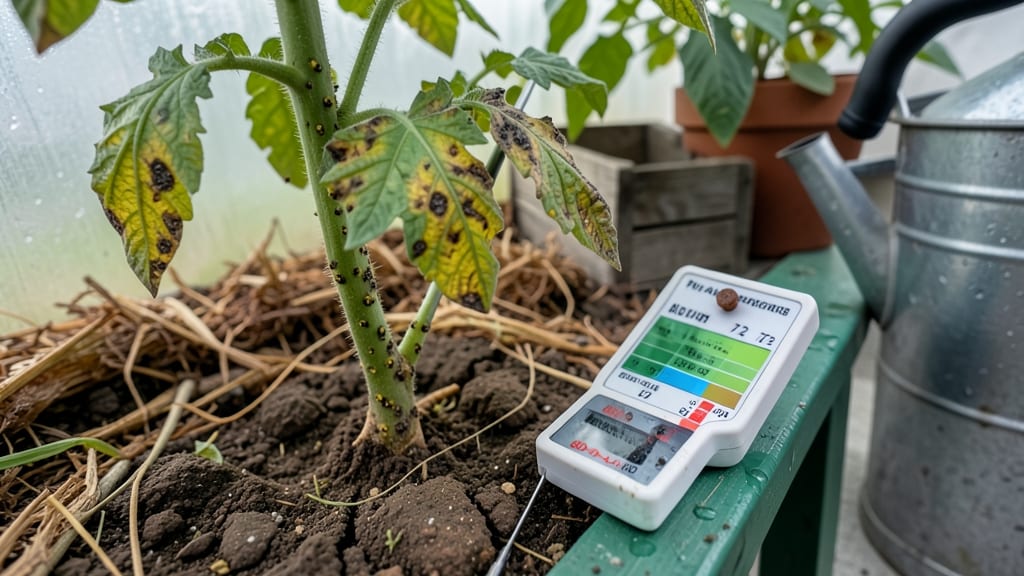
Did you know that early blight and bacterial spot thrive in soil with a pH outside the ideal range? Keeping your tomato plants in their preferred 6.0–6.8 pH zone isn’t just about nutrient uptake—it’s your first line of defense against fungal and bacterial infections that ruin harvests.
Fungal pathogens like early blight and late blight multiply rapidly in alkaline soil (pH 7.0+), while bacterial infections (e.g., bacterial wilt) gain a foothold when soil is too acidic (pH 5.5–). Organic growers see 30% fewer disease outbreaks when maintaining this balance, reducing the need for chemical sprays entirely.
This matters most for gardeners using compost-based fertilizers or growing in containers, where pH shifts faster. A simple soil test before planting can save your crop from costly infections. 💚
Monitoring pH Throughout the Growing Season
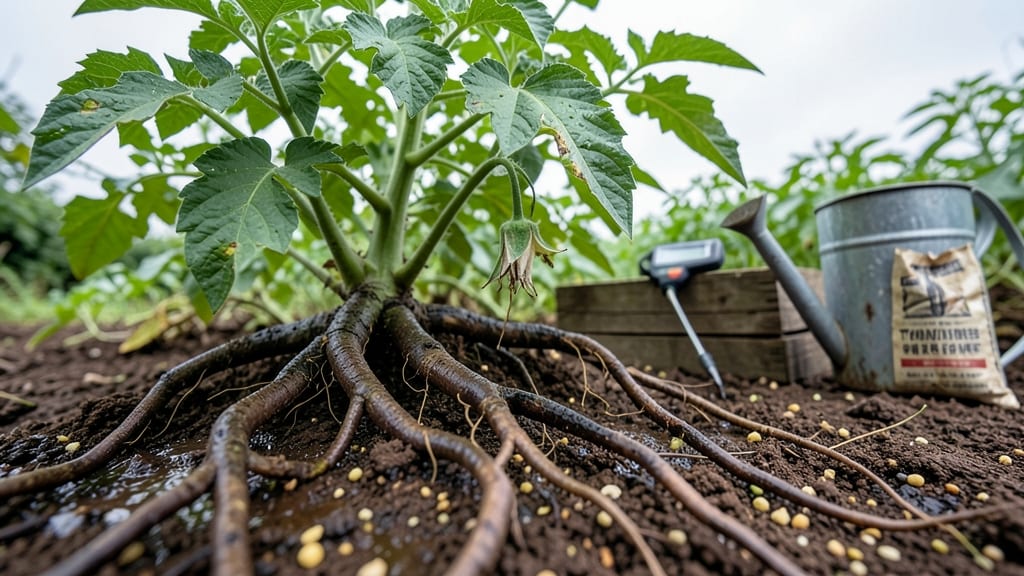
Your tomato plants might be thriving now, but soil pH isn’t static—it shifts with rainfall, fertilizer applications, and even root growth. Mid-season fluctuations can silently sabotage your harvest, especially during critical flowering and fruiting stages when nutrient uptake is most demanding.
Test soil pH every 4-6 weeks during peak growth, especially after heavy rains or when using high-nitrogen fertilizers. If pH drifts outside 6.0–6.8, act quickly: sprinkle pelletized sulfur for acid-loving varieties or garden lime for alkaline correction. Container gardeners should monitor more frequently since potting mixes compact and dry out faster.
This proactive approach prevents blossom-end rot and weak fruit set, giving you the best chance for a bountiful harvest. Even experienced gardeners miss these mid-season adjustments—don’t let pH become your silent harvest thief! 💡