
Transplanting
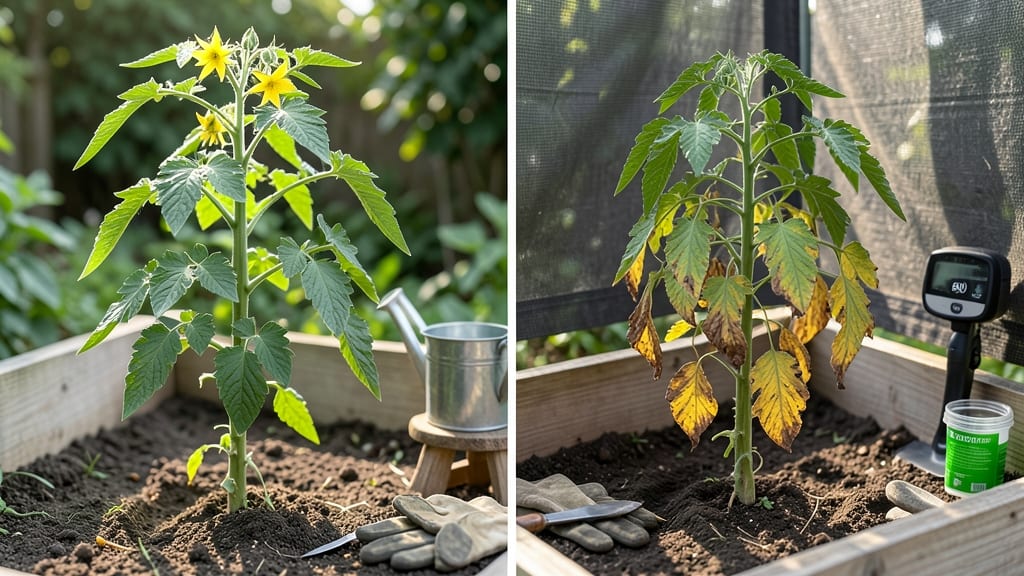
Tomato wilt after transplant isn't a death sentence—it's a sign your plants need a little TLC. 🌱 I've nursed back more limp seedlings than I'd like to admit, and the secret lies in understanding what's really causing that droop. It's rarely what you think.
Most wilting stems from root damage during transplanting or sudden environmental changes. Plants that flop after moving outdoors need time to adjust, and forcing them to "tough it out" just makes things worse.
The good news? With the right recovery steps, you'll see firm stems and new growth within 3-5 days—not weeks.
Start by giving them a deep drink of water at the roots, not overhead. Then, shade them from hot afternoon sun for a few days while you monitor for signs of improvement. The key is patience and keeping the soil consistently moist, not soggy.
Once they perk up, focus on preventing future transplant shock. Hardening off seedlings properly and choosing the right time of day to transplant makes all the difference. Here's how to do it right from the start.
Root Shock’s Hidden Triggers
When your tomato plants suddenly wilt after transplanting, it’s often a cry for help from their roots—even if the leaves look fine above ground. Understanding the root causes (pun intended) of this stress helps you fix the problem before it’s too late.
Below, we break down the science behind why tomato wilting occurs post-transplant, so you can act fast and save your plants.
Transplanting is like moving a human—it’s stressful! When you uproot a tomato plant, even gently, you damage the delicate root hairs and fine feeder roots that absorb water and nutrients. These tiny roots are highly sensitive to disruption, and their loss means your plant can’t hydrate or feed itself efficiently.
- Why it happens: Root hairs have a lifespan of just 1–2 weeks. If they’re torn or severed during transplanting, the plant loses its primary water-uptake network.
- Science in action: Studies show that up to 50% of root biomass can be lost during transplanting, especially if the root ball is disturbed or the plant is left exposed too long.
- Actionable fix: Minimize root disturbance by keeping the root ball intact and transplanting on a cloudy day to reduce stress.
Tomatoes hate being too wet or too dry after transplanting. Both extremes disrupt root function, leading to wilting. Overwatering suffocates roots by cutting off oxygen, while underwatering causes roots to dry out and shrink—neither scenario helps recovery.
| Problem | Why It Happens | Signs to Watch For |
|---|---|---|
| Overwatering | Waterlogged soil forces roots to breathe through oxygen in the soil. If saturated, roots suffocate, leading to anaerobic conditions that produce toxic ethanol. | Yellowing leaves, mushy stems, slow recovery even after watering stops. |
| Underwatering | Dry soil causes roots to recede inward to protect themselves, reducing surface area for water absorption. Severe drought triggers osmotic stress, where cells lose turgor pressure. | Wilting that doesn’t improve at night, crispy leaf edges, soil pulling away from pot edges. |
Pro tip: 💡 Water deeply but infrequently after transplanting—aim for 1–2 inches of moisture per week (adjust for climate). Use a moisture meter to check soil 2 inches below the surface before watering again.
Tomatoes are tropical plants at heart, and sudden changes in their environment can send them into shock. Extreme heat, cold snaps, or drying winds increase transpiration (water loss through leaves) faster than roots can replenish it, leading to wilting.
- Heat stress: Temperatures above 90°F (32°C) cause stomata (leaf pores) to close to conserve water, but roots can’t keep up, leading to water deficit wilting.
- Cold stress: Chilly nights (below 50°F/10°C) slow root growth and disrupt nutrient uptake, weakening the plant’s ability to recover.
- Windburn: Strong winds dry out leaves 3x faster than calm conditions, forcing roots to work overtime.
Actionable fix: 🌡️ Acclimate plants gradually to outdoor conditions (a process called hardening off) and provide shade cloth for the first 3–5 days post-transplant. Mulch heavily to insulate roots from temperature swings.
Not all wilting is due to physical stress—sometimes, hidden invaders are to blame. Fungal pathogens like Fusarium wilt or Verticillium wilt clog root vessels, while pests like root-knot nematodes disrupt nutrient flow. If your plants wilt despite proper care, check for these culprits.
| Pest/Disease | How It Attacks Roots | Tell-Tale Signs |
|---|---|---|
| Fusarium/Verticillium Wilt | Fungi invade xylem vessels, blocking water transport. Spreads via contaminated soil or tools. | Wilting that starts in one branch and spreads upward; yellowing leaves with green veins. |
| Root-Knot Nematodes | Microscopic worms penetrate roots, forming gall-like knots that disrupt water/nutrient uptake. | Stunted growth, gnarled roots when dug up, wilting that worsens over weeks. |
| Aphids/Whiteflies | Sap-sucking insects stress leaves, increasing transpiration while weakening roots indirectly. | Sticky residue (honeydew), curled leaves, sooty mold on foliage. |
Pro tip: ✨ Prevent pests before transplanting by sterilizing soil (baking at 180°F/82°C for 30 mins) and using neem oil as a preventative spray. If nematodes are suspected, rotate crops and plant marigolds nearby—they’re natural nematode repellents!
Now that you know the real reasons behind post-transplant wilting, you’re ready to diagnose and fix the issue before it’s permanent. The key? Act fast, adjust conditions, and give your roots the recovery they deserve.
Fixing Wilting Tomatoes After Transplant
When your tomatoes look sad and droopy after transplanting, don’t panic—there’s always a way to revive them! The key is identifying the root cause (literally and figuratively) and taking action fast.
Below are practical, step-by-step solutions tailored to the most common culprits behind post-transplant wilt. Plus, we’ll share prevention tips to keep your plants happy and healthy long-term.
Cause: Transplant shock happens when roots are disturbed, leading to temporary wilting as the plant recovers.
How to Revive:
- 💧 Hydrate Gently – Water deeply at the base (not overhead) to encourage root growth without overwhelming the plant. Use a soaker hose or drip irrigation for even moisture.
- 🌡️ Shield from Stress – Keep tomatoes in partial shade for 3–5 days post-transplant to reduce stress. Gradually reintroduce sunlight over a week.
- 🍃 Mulch Like a Pro – Apply 2–3 inches of organic mulch (straw, shredded leaves, or grass clippings) to retain moisture and regulate soil temperature.
Prevention Tip: ✨ Acclimate Before Planting – Harden off seedlings by exposing them to outdoor conditions (sun, wind, temperature fluctuations) for 7–10 days before transplanting.
Cause: Compacted, waterlogged, or nutrient-poor soil suffocates roots, leading to wilting.
How to Revive:
- 🔪 Loosen the Soil – Gently aerate the root zone with a fork or trowel (be careful not to damage roots). Mix in compost or aged manure to improve drainage and fertility.
- 💧 Drainage Check – If soil stays soggy, raise beds or add perlite/sand to sandy soil to improve airflow.
- 🌱 Feed Smart – Use a balanced fertilizer (10-10-10) or fish emulsion to give roots a nutrient boost. Avoid over-fertilizing—too much salt can burn roots!
Prevention Tip: 💡 Test Your Soil – Before planting, check pH (ideal: 6.0–6.8) and amend with lime (to raise pH) or sulfur (to lower pH) if needed.
Cause: Fungal infections (like early blight or Fusarium wilt) or pests (aphids, spider mites) weaken plants, causing wilting.
How to Revive:
- 🍄 Treat Fungal Issues –
- Copper fungicide (for early blight).
- Neem oil spray (prevents spores from spreading).
- Remove infected leaves immediately to stop the spread.
- 🐜 Combat Pests –
- Spray with soapy water (1 tsp dish soap + 1 quart water) for aphids.
- Introduce beneficial insects (ladybugs, lacewings) or use pyrethrin spray for mites.
- 🌿 Boost Immunity – Strengthen plants with compost tea or kelp extract to improve resilience.
Prevention Tip: 🎯 Rotate Crops – Avoid planting tomatoes in the same spot yearly to prevent soil-borne diseases from building up.
Cause: Wilting can happen from too much water (root rot) or too little (drought stress).
How to Revive:
- 💧 For Underwatering –
- Water deeply 1–2 times per week (check soil moisture 2 inches down—if dry, water).
- Use drip irrigation to deliver water slowly at the roots.
- 🌧️ For Overwatering –
- Let soil dry slightly between waterings (stick your finger in—if damp, wait).
- Improve drainage with gravel or raised beds.
Prevention Tip: 🌡️ Monitor Weather – Adjust watering based on rain forecasts. Mulch heavily to reduce evaporation.
Cause: Extreme heat, cold snaps, or wind can shock plants after transplanting.
How to Revive:
- 🌞 Shield from Heat – Use shade cloth (30–50%) during peak sun (10 AM–4 PM) if temps exceed 90°F (32°C).
- 🍂 Protect from Cold – If nights dip below 50°F (10°C), cover plants with frost blankets or row covers.
- 💨 Windbreaks Work – Place bamboo stakes or a windbreak fence to reduce stress from gusts.
Prevention Tip: ✨ Transplant at the Right Time – Wait until nighttime temps stay above 55°F (13°C) to avoid cold shock.
Final Pro Tip: 🎯 Patience is Key – Wilting after transplant is often temporary. Monitor daily, adjust care as needed, and your tomatoes will bounce back stronger than ever! 🍅💪
Frequently asked questions
Why do my tomato seedlings wilt immediately after transplanting?
This is classic transplant shock—your plants are reacting to root disturbance. When you move seedlings, delicate root hairs (which absorb water) get damaged. The plant loses its ability to hydrate properly, causing wilting. Give them a deep watering at the base and shade for 3-5 days to recover.
How can I tell if wilting is from underwatering or disease?
Check the time of day—wilting from thirst improves at night when stomata close. Disease-related wilting (like Fusarium) worsens and may show green veins on yellow leaves. Also, feel the soil: dry soil = thirst; consistently damp = possible root rot.
Can I save tomato plants that wilted for more than a week?
It depends! If stems are still firm and leaves perk up when watered, recovery is possible. For plants with soft, mushy stems or fungal spots, they're likely beyond saving. Prune any damaged foliage, improve growing conditions, and monitor closely—some plants bounce back after 7-10 days of proper care.
What's the best time of day to transplant tomatoes?
Always transplant on a cloudy day or in the late afternoon (after 4 PM). This gives roots time to adjust before evening heat stress. Avoid midday sun—it increases water loss while roots struggle to establish. Harden off seedlings first for 7-10 days to prepare them.
Will mulch really help wilting tomato plants recover?
A 2-3 inch layer of organic mulch (straw or shredded leaves) works wonders by:
- Keeping soil moisture consistent
- Regulating root-zone temperature
- Preventing soil-borne diseases Apply mulch after watering to lock in moisture and protect roots from temperature swings.