
Container Gardens
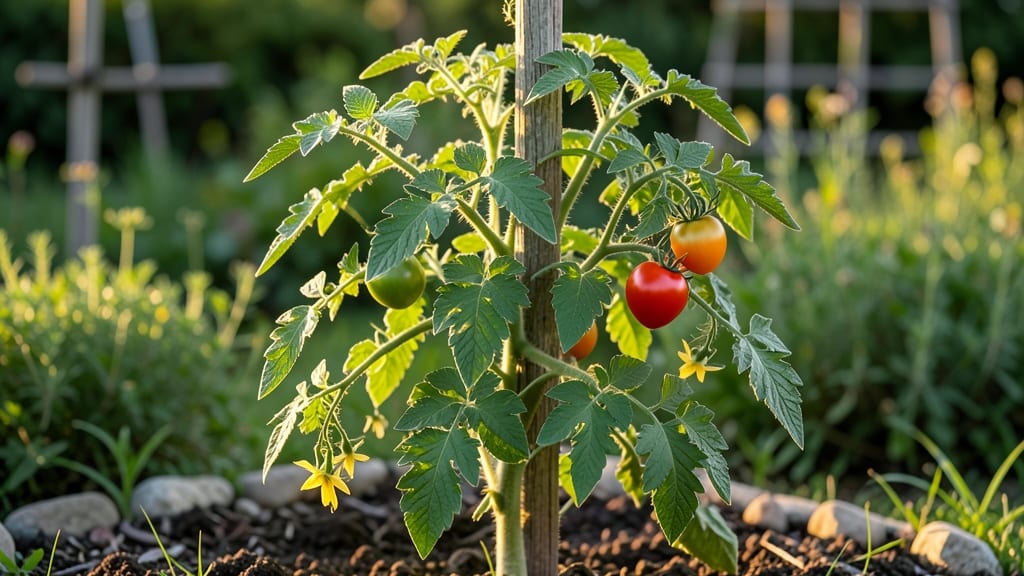
Tomato growing tips will turn your patio or balcony into a mini orchard—no backyard required. 🌱 I’ve grown cherry tomatoes in 5-gallon pots and beefsteaks in 20-gallon containers, and the secret isn’t fancy equipment but matching plant needs to container size. The right soil, consistent water, and pruning at the right time turn floppy plants into productive powerhouses.
Start with a 5-gallon minimum per plant (bigger is better for indeterminate varieties). Use a lightweight potting mix with added compost—heavy garden soil compacts and drains poorly. Place containers where they get 6-8 hours of direct sun daily, and water deeply when the top inch of soil feels dry.
The key? Morning watering prevents fungal diseases like blight, and mulch keeps roots cool.
Pruning isn’t optional—it’s how you get bigger fruit and fewer problems. Pinch off suckers (the little shoots in the leaf axils) when they’re 1-2 inches long, and trim lower leaves to improve airflow.
By midsummer, your plants will be bursting with fruit instead of sprawling vines. Even in small spaces, you’ll harvest enough for sandwiches, sauces, and sharing with neighbors.
Containers let you grow tomatoes anywhere, from city balconies to sunny porches. The only real mistake? Skipping the basics—like proper drainage or ignoring pests early. With these tips, you’ll avoid common pitfalls and enjoy tomatoes that taste 10 times better than store-bought. Ready to grow?
📚 In This Guide
- What you need
- Instructions
- Tips and common mistakes
- Wrapping up and next steps
What you need
- ● Container: At least 5-gallon size (or larger) per tomato plant (e.g., fabric grow bags, plastic pots, or wooden barrels). Ensure it has drainage holes!
- ● High-quality potting mix: 10-20 lbs of a lightweight, well-draining mix (avoid garden soil—it compacts!). Look for blends labeled for container gardening.
- ● Tomato plants: Choose determinate (bush) or indeterminate (vining) varieties suited for containers (e.g., 'Tiny Tim,' 'Patio,' or 'Cherry'). Start with 1-2 plants per container.
- ● Fertilizer: A balanced, slow-release fertilizer (10-10-10 or 5-10-10) or organic options like compost or worm castings. Use 1-2 tbsp per plant at planting.
- ● Support system: Cages, stakes, or trellises to keep vining varieties upright (e.g., 4-5 ft tall cages or bamboo stakes).
- ● Watering can or hose with a gentle nozzle: Containers dry out faster—aim for 1-2 gallons per plant daily in hot weather.
- ● Mulch: 2-3 inches of straw, shredded leaves, or wood chips to retain moisture and suppress weeds.
- ● Self-watering system: A wicking bed or reservoir to automate watering (great for vacations!).
- ● Growth booster: Fish emulsion or seaweed extract for a nutrient kick during flowering/fruiting.
- ● Pruning shears: For trimming suckers or dead leaves (sterilize with rubbing alcohol!).
- ● Shade cloth: 30-50% coverage to protect plants from scorching sun in extreme heat.
- ● Soil moisture meter: To check moisture levels 1-2 inches deep before watering.
- ● Companion plants: Basil, marigolds, or nasturtiums to deter pests and boost flavor!
Tomato tips growing: step-by-step container cultivation
Here’s the foolproof method I’ve used for three seasons to grow tomatoes in containers—no greenhouses, no fuss.
🪴 Step 1: Choose the Right Containers and Soil Mix
Start with containers at least 18-24 inches deep and 12-18 inches wide—tomatoes need room for roots to spread. I use fabric grow bags because they prevent root circling, a common problem in plastic pots. Fill each with a mix of 60% premium potting soil, 20% compost, and 20% perlite for drainage. This blend stays loose enough for roots to breathe but retains moisture without becoming soggy.
Don’t skimp on drainage—add 3-4 holes to the bottom if your container doesn’t have them. Place a ca. 2-inch layer of gravel first to keep soil from washing out. Tap the container gently after filling to settle the mix, but avoid compacting it. You’ll know it’s right when a handful crumbles easily between your fingers.
🌱 Step 2: Select and Plant Disease-Resistant Varieties
For containers, stick to determinate varieties like ‘Roma’ or ‘Celebrity’—they stay compact and produce heavy yields without sprawling. Start with 4-6 week-old transplants or sow seeds indoors 8-10 weeks before your last frost. If planting seeds directly, bury them ½ inch deep and space them 2-3 inches apart in the pot. Water gently afterward to settle the soil around the seeds.
Here’s the thing—avoid overcrowding. Even small seedlings need space to develop strong root systems. If you’re planting multiple tomatoes in one container, space them 18-24 inches apart. Thin seedlings to the strongest one per spot if needed, using clean scissors to snip at soil level rather than pulling.
☀️ Step 3: Master Light and Watering for Container Tomatoes
Tomatoes crave 6-8 hours of direct sunlight daily, but containers dry out faster than in-ground plants. Place yours in the sunniest spot you have—south or west-facing is ideal. If shade is unavoidable, supplement with a grow light for 14-16 hours per day. You’ll see leggy, weak growth if light is insufficient; strong stems and dark green leaves mean you’re on track.
Water deeply 2-3 times per week, soaking the soil until water runs out the drainage holes. Let the top 2 inches of soil dry between waterings—this prevents blossom-end rot and cracking. Mulch with 1-2 inches of straw to retain moisture and keep roots cool. Overwatering is the fastest way to kill container tomatoes, so always check soil moisture with your finger before adding more.
✂️ Step 4: Prune and Support for Maximum Yield
Install a 6-foot tall stake or cage at planting time to support the plant as it grows. For indeterminate varieties, prune suckers—those little shoots that form in the leaf axils—weekly to redirect energy to fruit production. Remove any leaves touching the ground to prevent soil-borne diseases. You’ll notice more flowers and fruit if you keep the plant focused upward.
Pinch off the first few flowers if your plant is still small—this encourages stronger stem and root development before fruiting. Once the plant is established, let it go wild with flowers. Harvest tomatoes when they’re fully colored and slightly soft to the touch, usually 2-3 weeks after flowering. Regular harvesting keeps the plant producing and prevents overburdening.
🌿 Step 5: Extend the Season with Seasonal Adjustments
To grow tomatoes year-round, move containers indoors during winter or to a protected outdoor space when temperatures drop below 50°F. Use a grow light to maintain 14-16 hours of light daily and keep soil temperatures warm with a heat mat if needed. In summer, shade cloth can protect plants from scorching if temperatures exceed 90°F. Watch for pests like aphids or whiteflies—spray with neem oil at the first sign of trouble.
Fertilize every 2-3 weeks with a balanced liquid fertilizer (10-10-10) once flowers appear. Stop fertilizing 4-6 weeks before the first frost to harden off the plant for winter storage. With these adjustments, you’ll enjoy homegrown tomatoes 12 months a year, even in small spaces.
Tips & tricks for thriving container tomatoes
Here’s what nobody tells you about growing tomatoes in containers that’ll actually make the difference between a decent harvest and a bumper crop.
Soil Texture is Everything: When mixing your 60% premium potting soil, 20% compost, and 20% perlite blend, sift it through a fine mesh screen before filling containers. This eliminates large clumps that can create air pockets where roots struggle to establish. I learned this the hard way after watching seedlings rot in compacted soil—now I always pre-sift. The perfect mix should feel like crumbled cake when you squeeze it; if it sticks together, add more perlite.
Light is Non-Negotiable: Those 6-8 hours of direct sunlight aren’t just a recommendation—they’re a survival requirement. If your space only gets 4-5 hours, invest in a full-spectrum LED grow light on a timer for the remaining 14-16 hours. I’ve seen tomatoes grow perfectly under artificial light in my sunroom during winter, but natural light always produces sweeter fruit. Position your containers where they’ll get morning sun (to dry dew quickly) and afternoon light (for warmth).
Watering Wisdom: The "2 inches dry between waterings" rule is critical, but how you water matters just as much. Always water at the base of the plant—not the leaves—to prevent fungal diseases like early blight. Use a watering wand with a gentle spray setting to avoid disturbing the soil structure. In summer, water in the early morning so foliage has time to dry before evening humidity sets in. I’ve lost plants to blossom-end rot from inconsistent watering, so I now check soil moisture every morning before adding water.
Seasonal Transition Hack: When moving containers indoors for winter, harden them off first by placing them in a shaded outdoor spot for 3-4 days. This gradual adjustment prevents shock. For indoor growing, place containers on a heat mat set to maintain soil temperatures above 50°F—roots become sluggish below this threshold. I’ve successfully grown tomatoes year-round using this method, even in my basement with supplemental grow lights. Just remember to increase humidity slightly with a pebble tray under the containers if your indoor air feels dry.
Pro Tips for Tomato Tips Growing
- Here’s what nobody tells you about growing tomatoes in containers that’ll actually make the difference between a decent harvest and a bumper crop.
- Soil Texture is Everything: When mixing your 60% premium potting soil, 20% compost, and 20% perlite blend, sift it through a fine mesh screen before filling containers.
- Light is Non-Negotiable: Those 6-8 hours of direct sunlight aren’t just a recommendation—they’re a survival requirement.
Frequently asked questions
Can I grow tomatoes in containers year-round?
Yes, but timing matters! In warmer climates (zones 9-11), you can grow tomatoes year-round with proper care. In cooler zones, use season extenders like cold frames or move pots indoors during winter. Choose fast-maturing varieties (like 'Tiny Tim' or 'Patio') for shorter seasons.
How often should I water container-grown tomatoes?
Container tomatoes need consistent moisture—water when the top inch of soil feels dry. Aim for 1-2 inches per week, adjusting for heat/wind. Use a self-watering system or drip irrigation to prevent uneven drying. Morning watering reduces evaporation and fungal risks.
Why are my tomato leaves turning yellow?
Yellow leaves often signal overwatering, nutrient deficiency, or disease. Check for:
- Overwatering: Let soil dry slightly between waterings.
- Nitrogen deficiency: Use a balanced fertilizer (like 10-10-10).
- Fungal issues: Improve airflow and avoid wetting leaves.
- Pests: Inspect for aphids or spider mites.
Adjust care based on the specific symptoms (e.g., yellowing edges vs. uniform discoloration).
What’s the best temperature range for container tomatoes?
Tomatoes thrive in 70–85°F (21–29°C) day temps and 55–65°F (13–18°C) nights. Avoid extreme heat (>90°F/32°C), which causes blossom drop, and frost (<32°F/0°C), which kills plants. Use shade cloth in summer or row covers in spring/fall.
Can I use regular potting soil for tomatoes?
No—tomatoes need nutrient-rich, well-draining soil. Mix 50% potting soil with 50% compost or coco coir, plus a handful of perlite or vermiculite for aeration. Avoid garden soil (it compacts in containers). Add a slow-release fertilizer (like osmocote) at planting for steady nutrients.
Pro Tip: How do I maximize harvest in small containers?
Prune aggressively! Remove suckers (side shoots between stems) and lower leaves to improve airflow and focus energy on fruit. Use cage or trellis support to save space, and harvest regularly—ripe tomatoes signal the plant to produce more! For compact varieties, pinch off flowers after the first cluster to encourage bushier growth.
Wrapping up and next steps
Growing tomatoes in containers is a rewarding journey that brings fresh, homegrown flavor to your table—no matter the season! 🌱 With the right tomato tips growing and a little patience, you’ll enjoy a bountiful harvest even in small spaces.
Start by choosing the perfect variety, nurturing your plants with care, and troubleshooting early to keep them thriving.
Now that you’re armed with these year-round harvest hacks, it’s time to roll up your sleeves and get planting! Pick a sunny spot, grab your containers, and watch your tomato plants flourish. Happy growing—and may your harvest be plentiful! 🍅✨