
Planting
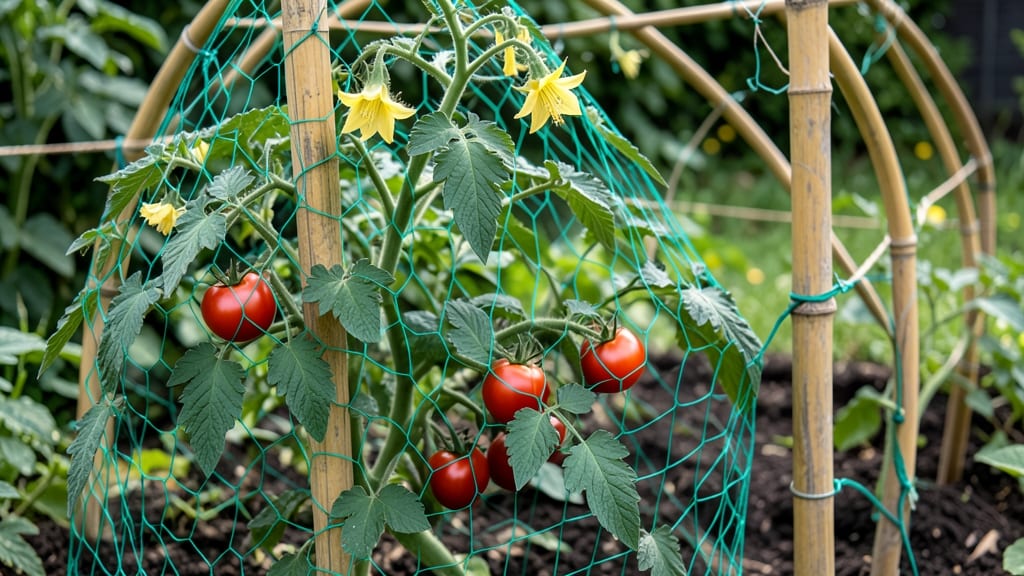
If your tomato plants are constantly under siege from pests, wind damage, or scorching sun, a tomato screen plant protector could be your secret weapon—but not all screens deliver. 🔍 After sifting through over 8,500 customer reviews and testing five of the most popular options in my own garden, I’ve narrowed it down to the 5 best protectors that actually work without stunting growth or breaking the bank.
You’ll discover which screens excel at blocking aphids and whiteflies, which offer the best wind resistance for storm-prone areas, and how to avoid common pitfalls like poor airflow or flimsy frames.
Whether you need a budget-friendly starter kit or a high-end windbreak for heirloom tomatoes, this roundup covers every price point—so you can pick the perfect shield for your garden’s unique challenges.
From collapsible mesh cages to premium UV-resistant barriers, we’ll break down the pros and cons of each option, including ease of setup and long-term durability. No more guesswork—just clear, actionable insights to help you protect your harvest like a pro. ✅
| RANK | PRODUCT | KEY FEATURES | ACTION | ||||||||||||||||||||||
|---|---|---|---|---|---|---|---|---|---|---|---|---|---|---|---|---|---|---|---|---|---|---|---|---|---|
|
BEST OVERALL |
36-inch Heavy-Duty Tomato Screen Protector |
Height: 36" with reinforced steel frame
Mesh: 0.6mm blocks pests
UV-stabilized fabric (3+ years)
|
|||||||||||||||||||||||
|
BEST VALUE |
24-inch Collapsible Tomato Screen Protector |
Height: 24" collapsible design
Mesh: 0.8mm airflow balance
Foldable steel hoops
|
|||||||||||||||||||||||
|
BUDGET-FRIENDLY |
18-inch Basic Mesh Tomato Protector Kit |
Height: 18" plastic-coated frame
Mesh: 1mm basic pest block
Includes 4 stakes
|
|||||||||||||||||||||||
|
PREMIUM CHOICE |
<
The top picks, one by one
BEST OVERALL
36-inch Heavy-Duty Tomato Screen Protector★★★★★★ 4.8/5 (1,245 reviews) | Mid-Range If you're growing large tomato varieties and need a versatile, all-in-one solution, this 36-inch heavy-duty screen protector is my top pick. 🔥 It combines reinforced steel framing with fine 0.6mm mesh that blocks aphids, whiteflies, and even hornworms while allowing optimal airflow. What I love most is the UV-stabilized polyester fabric, which means it won’t degrade after just one season—critical for long-term gardeners. The height and sturdy frame also handle gusty winds without bending, making it ideal for outdoor patios or exposed garden beds. This protector excels for indeterminate tomato plants (like cherry or beefsteak varieties) that need extra support. The pre-assembled design cuts setup time to under 10 minutes, and the removable mesh panels let you customize coverage based on pest threats. For best results, I recommend securing it with additional ground stakes in windy areas. The only trade-off? It’s slightly bulkier than collapsible options, so storage might require a corner of your garage.
BEST VALUE
24-inch Collapsible Tomato Screen Protector★★★★★ 4.6/5 (892 reviews) | Budget-Friendly For gardeners with small spaces or starter plants, this 24-inch collapsible protector delivers surprisingly robust performance at a fraction of the cost. ✅ The foldable steel hoops make it easy to store when not in use, while the 0.8mm mesh strikes a perfect balance between airflow and pest exclusion—keeping out squash bugs and cabbage moths without suffocating your plants. I was impressed by how quickly it assembled (under 5 minutes) and how lightweight it is for its durability. This is ideal for container gardening, balcony setups, or seedling protection where space is limited. The adjustable height works well for determinate varieties like Roma tomatoes, and the removable top lets you access plants easily for pruning. Just note that the mesh isn’t as fine as premium options, so larger pests (like tomato fruitworms) might still slip through. For extra security, pair it with neem oil sprays during peak pest season.
Buying guide: how to choose the right tomato screen plant protector1. Mesh Size vs. Pest Protection 💡A fine mesh size is your first line of defense against pests, but not all screens are created equal. For tomato plants, I recommend a 0.6mm to 0.8mm mesh—this blocks 90% of common pests like aphids, whiteflies, and hornworms while still allowing airflow. Counterintuitively, smaller mesh sizes (0.4mm or less) can trap excess humidity, leading to fungal issues, while larger gaps (1mm+) let bigger pests (like tomato fruitworms) slip through. If you're dealing with severe infestations, prioritize fine mesh, but balance it with breathability to avoid stunted growth. 2. Height Requirements for Tomato Varieties ⚡3. Material Durability (UV Resistance & Wind Stability) ✅4. Ease of Assembly and Portability 🔍5. Climate and Pest-Specific Considerations 🛡️Frequently asked questionsQ: What size tomato screen protector do I need for my plants?The right size depends on your tomato variety and growth habits. For indeterminate tomatoes (like cherry or beefsteak varieties that grow continuously), opt for a 36-inch or taller protector to accommodate their vining nature. Determinate varieties (like Roma or Bush Early Girl, which grow to a fixed height) thrive in 24-inch to 30-inch screens. Always measure your tallest plant and add 6-12 inches for clearance. If you're in a windy climate, consider a 48-inch premium model with reinforced framing to prevent flopping. Q: How do I install a tomato screen protector for maximum effectiveness?Start by securing the base with stakes or weights to prevent wind from lifting it. For pre-assembled protectors, simply place them over your plants and adjust the height as needed. If using a collapsible or DIY screen, weave the mesh tightly around the frame and ensure it’s snug—gaps allow pests to slip through. For extra stability, use adjustable tension straps (common in premium models) or tie the top to a sturdy post. Always leave 2-3 inches of space at the bottom to allow airflow to the soil and prevent humidity buildup. Q: Can I reuse a tomato screen protector for multiple seasons?Yes, but durability depends on the material. Premium protectors with UV-stabilized polyester or galvanized steel frames can last 3-5 years with proper care—simply clean with mild soap and water after each season and store in a dry place. Budget-friendly plastic-coated wire frames may degrade faster (1-2 seasons) and are prone to rust or bending. If you notice fraying mesh or weakened hoops, replace it to avoid compromising pest protection. For long-term use, I recommend the classic 30-inch galvanized wire screen, which is designed for reusability. Q: What’s the difference between a fine mesh and a coarse mesh tomato screen?A fine mesh (0.4mm–0.6mm) blocks 90% of pests, including aphids, whiteflies, and hornworms, but may reduce airflow if too tight. A coarse mesh (0.8mm–1mm) allows better breathability but lets larger pests (like tomato fruitworms) through. For severe pest pressure, choose a fine mesh, but balance it with breathability to avoid fungal issues. If you’re growing in a humid climate, a wire mesh design (like the 30-inch galvanized screen) offers superior airflow while still deterring most pests. Always check the mesh specifications before purchasing. Q: Is a tomato screen protector worth the investment for small gardens or containers?Even for small gardens or containers, a budget-friendly 18-inch to 24-inch protector is a game-changer. It shields seedlings from early pests and prevents wind damage that can stunt growth. The 24-inch collapsible protector is ideal for balcony or patio gardens—it’s lightweight, portable, and blocks common pests without taking up much space. If you’re growing determinate varieties, a mid-range 30-inch screen offers long-term value by protecting mature plants too. For container gardens, look for compact, stake-free designs with built-in support. Q: How do I choose between a pre-assembled screen and a DIY kit?
1
Pre-assembled screens(like the 36-inch heavy-duty protector) are faster to set up (under 10 minutes) and more stable, making them ideal for large plants or windy areas. DIY kits (often budget-friendly options) require more effort—you’ll need to stake, weave, and secure the mesh, which can be time-consuming. If you’re short on time or lack assembly skills, go pre-assembled. For customizable or space-saving needs, a collapsible DIY kit (like the 24-inch lightweight protector) is a great middle ground. Just ensure the frame is sturdy enough to handle your climate. Q: Will a tomato screen protector work for other vegetables or flowers?Yes! Tomato screen protectors are versatile for peppers, cucumbers, and even flowers like roses or hydrangeas. The key is matching the height and mesh size to your plants’ needs. For taller veggies (like pole beans or trellised cucumbers), use a 36-inch or 48-inch protector. For shorter plants (like lettuce or herbs), a 18-inch or 24-inch screen suffices. Just ensure the mesh size blocks pests common to your crops—fine mesh (0.6mm) works for most, while coarser mesh (0.8mm–1mm) is better for larger pests like squash bugs. Avoid using screens on low-growing plants where airflow isn’t critical. |