
How To
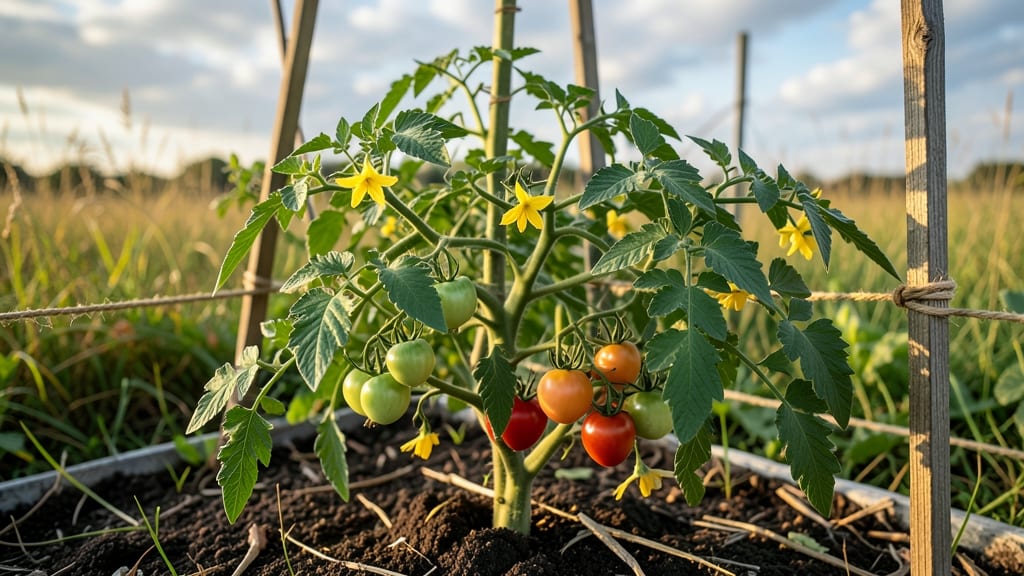
Tracking the tomato ripening stages timeline ensures you never miss the sweetest, juiciest 🍅 harvests—or end up with a pile of overripe mush.
Did you know your tomatoes go through 7 distinct ripening stages—each with unique color, texture, and flavor changes? Knowing exactly when to pick them ensures peak taste and prevents wasted harvests.
From the first blush of pink to the deep red of full ripeness, each stage signals whether your tomatoes are ready to eat or still need time on the vine.
In this guide, I’ll walk you through the exact color, firmness, and flavor cues for each phase, plus how climate and care speed up or slow down the process.
You’ll also learn how to accelerate ripening with simple tricks (like ethylene exposure) and avoid the heartbreak of underripe or overripe tomatoes. Let’s get started!
Tomato ripening stages timeline: color, firmness & taste by days
Growing tomatoes is rewarding, but knowing exactly when to harvest makes all the difference. Tomatoes progress through 7 distinct ripening stages, each marked by color shifts, texture changes, and flavor development.
Understanding this timeline helps you pick tomatoes at their peak—whether you love them firm and green or soft and fully ripe. Let’s break down each stage with estimated days to maturity for common varieties like Beefsteak, Cherry, and Roma.
Timing varies based on variety, climate, and growing conditions, but most tomatoes reach full ripeness in 60–90 days after transplanting. Early stages focus on growth and color changes, while later stages emphasize softening and flavor intensification.
Below, we’ll explore each stage, including color cues, firmness tests, and taste profiles to help you decide when to harvest.
The flowering stage is where it all begins. After pollination, tiny green tomatoes form and grow rapidly over 2–3 weeks. During this phase, focus on consistent watering and balanced fertilization to avoid blossom-end rot.
If your tomatoes stay green longer than expected, check for temperature stress (below 55°F) or nutrient deficiencies like calcium.
By 30–45 days, tomatoes enter the mature green stage, where they’re firm and starchy-tasting. Many gardeners harvest them here for cooking or pickling, but they lack the sweetness of ripe fruit.
If you prefer green tomatoes, pick them when fully sized but still hard. For full ripeness, leave them on the vine until they develop a blush of color.
The breaker stage (45–60 days) is a game-changer. You’ll notice pink or red blushes on the sun-exposed side, signaling the start of lycopene production, which deepens color and sweetness. At this point, tomatoes become juicier and slightly softer.
If frost threatens, harvest them here—they’ll ripen indoors with a paper bag trick (place tomatoes in a bag with a banana
When to pick tomatoes for best flavor: stage-by-stage guide
Picking tomatoes at the right moment transforms a good harvest into a flavor explosion. Each ripening stage offers unique qualities—from tangy green tomatoes to sweet, ripe red ones. The key is recognizing visual cues and textural changes that signal peak ripeness.
I’ve learned the hard way that waiting too long means mushy tomatoes, while picking too early robs you of that juicy sweetness we all crave.
Most gardeners focus on the fully ripe stage, but tomatoes can be harvested at earlier stages too. Green tomatoes, for example, are perfect for sauces or frying, while breaker stage tomatoes (just turning color) ripen beautifully indoors.
Understanding these stages helps you extend your harvest season and reduce waste. Let’s break down exactly when—and how—to pick your tomatoes for maximum flavor.
Tomato Ripening Stages: When to Pick for Best Flavor
| Stage | Color | Firmness | Best For | Pick When |
|---|---|---|---|---|
| Green | Solid green | Very firm | Cooking, sauces | Anytime (before frost) |
| Breaker | Patches of color | Firm but yielding | Indoor ripening | Before frost |
| Turning | Mostly colored | Slightly soft | Fresh eating | Fully colored |
| Ripe | Full color | Soft to touch | Peak flavor | Stem slips easily |
| Overripe | Dull, wrinkled | Mushy | Compost | Avoid |
💡 Pro Tip: Use a gentle twist to test ripeness—if the tomato separates cleanly from the vine, it’s ready!
For green tomatoes, harvest anytime before the first frost hits. These are ideal for green tomato salsa or fried green tomatoes. Look for a hard, uniform green color and a firm texture.
If left on the vine too long, they’ll turn yellow or start to soften—time to pick! I once left a batch too late, and they became mealy and unappetizing.
At the breaker stage, tomatoes show the first hints of their mature color—maybe a blush of pink or orange. This is the perfect time to harvest and ripen indoors. Place them in a paper bag with a banana or apple to speed up ripening using ethylene gas.
Check them daily for softness, as they’ll ripen faster than they would on the vine.
The turning stage is where tomatoes transition from mostly green to fully colored. Here, you’ll see 75%+ of their mature color, and they’ll yield slightly when pressed. This is the sweet spot for fresh eating, but don’t wait too long—they’ll quickly move to full ripeness.
I like to pick mine at this stage for salads, where the balance of tang and sweetness shines.
When tomatoes reach full ripeness, they’re at their peak flavor and texture. Look for a deep, uniform color, a slight softness when gently squeezed, and a stem that slips easily from the vine.
This is the best time for slicing, juicing, or enjoying straight off the vine. If you miss this window, they’ll quickly become overripe and mushy.
Finally, overripe tomatoes are a gardener’s caution sign. They’ll be wrinkled, dull in color, and very soft to the touch. While they’re still edible, their flavor and texture decline rapidly. If you’re facing an early frost, harvest these for sauces or cooking before they spoil.
I’ve salvaged many a batch by turning them into homemade tomato paste—a great way to reduce waste!