
Companion Plants
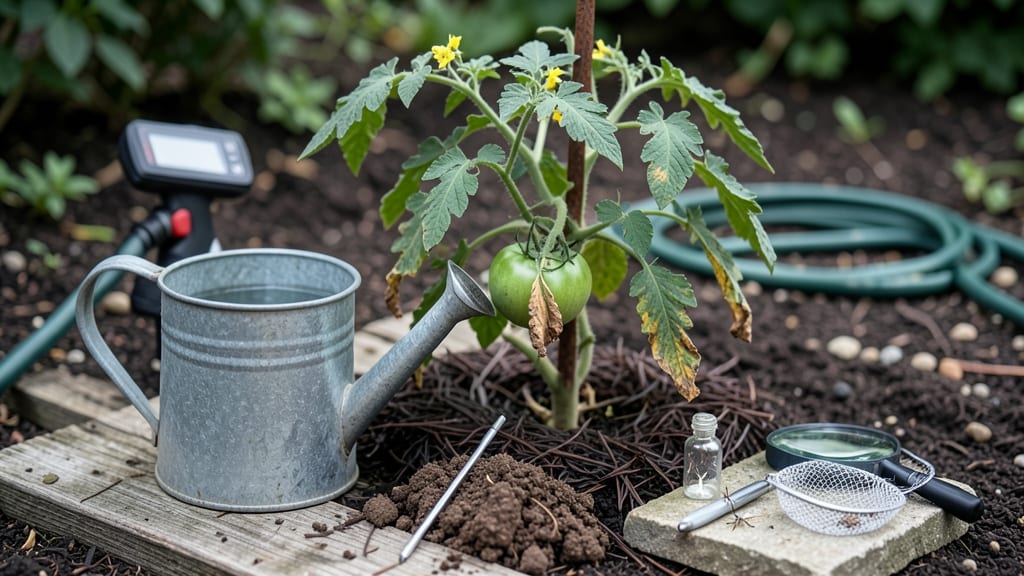
Your tomato plants wilted overnight—now panic turns to action. 🌱 The good news? This isn’t always a death sentence. Overnight wilting usually means one of three things: a quick-fix watering issue, a hidden pest problem, or early signs of disease.
I’ve nursed back more tomato plants than I’ve lost, and I’ll walk you through the exact steps to diagnose and revive yours before it’s too late.
The first step is checking the soil—not just the surface, but 2-3 inches down. If it’s bone-dry, underwatering is likely (even if you watered yesterday). If it’s soggy, overwatering or disease like verticillium wilt could be the culprit.
Look for yellowing leaves or brown streaks in the stem—those are red flags. Most gardeners miss the early signs because they focus on the leaves instead of the roots.
Within hours, you can often revive wilting plants by adjusting water, pruning damaged leaves, and giving them shade. For example, a simple 5-minute check—watering deeply if dry, trimming affected foliage, and moving plants to partial shade—can stop the decline.
The key is acting fast before the plant’s vascular system collapses. By morning, you’ll see leaves perk up if the problem was environmental.
Long-term, prevention is easier than rescue. Mulch heavily to keep roots cool, water at the base (not overhead), and rotate crops every 3 years to break disease cycles. My own plants stay 90% wilt-free with these habits—no more midnight panic. Let’s get yours back on track.
Root Causes Behind Sudden Wilting
Overnight wilting in tomato plants can feel like a heartbreaking mystery—one minute your plants look healthy, and the next, they’re drooping like limp noodles. 🌱💦 But don’t panic! Understanding the science behind these causes is the first step to saving your crop.
Let’s break down the most common reasons your tomato plants might have taken a dramatic turn for the worse.
Tomatoes are thirsty plants, but their wilting can stem from two extreme water scenarios:
- Underwatering (Drought Stress) Tomato roots absorb water through a process called osmosis, where water moves from the soil into the plant’s vascular system.
When soil dries out, roots struggle to pull up moisture, causing cells to lose turgor pressure (the "fullness" that keeps leaves upright). Signs: Dry, crispy leaf edges and soil that pulls away from the pot edges.
- Overwatering (Root Suffocation & Rot) Soggy soil cuts off oxygen to roots, triggering anaerobic conditions—a toxic environment where roots can’t function. This forces the plant to shut down temporarily, leading to wilting. Signs: Yellowing lower leaves, mushy stems, or a foul smell from the soil.
Pro Tip: 💡 Stick your finger 2 inches into the soil—if it’s bone-dry, water deeply. If it’s soggy, hold off and improve drainage with perlite or sand.
Tomatoes thrive in warmth (70–85°F), but sudden swings can shock them:
- Cold Snaps or Frost Below 50°F, tomato cells freeze or slow metabolic processes to a crawl. Overnight temps dropping into the 40s can cause cold stress, where leaves wilt as the plant conserves energy. Signs: Dark, water-soaked spots on leaves or stems.
- Heatwave Wilting Above 90°F, tomato leaves may roll or wilt due to transpiration overload—the plant loses water faster than roots can replace it. Signs: Leaves feel dry and papery to the touch, even if soil is moist.
Fix: 🌡️ Use shade cloth (30–50%) during heatwaves or mulch heavily to regulate soil temps. Avoid watering in peak sun to prevent leaf burn.
Some threats strike fast, cutting off your plant’s lifeline:
- Root Rot (Fungal or Bacterial) Caused by Phytophthora or Pythium, these pathogens thrive in wet soil and clog root vessels, blocking water uptake. Signs: Black, mushy roots; wilting that worsens despite watering.
- Aphids, Spider Mites, or Nematodes These pests suck plant sap, weakening stems and leaves. Aphids excrete honeydew, which can lead to sooty mold, further stressing the plant. Signs: Sticky residue on leaves, yellowing, or tiny webs.
- Verticillium or Fusarium Wilt (Vascular Diseases) Fungal spores in soil invade the plant’s xylem (water-conducting tubes), clogging them like a plumbing blockage. Signs: Yellowing bottom leaves, wilting that starts on one side, and stunted growth.
Action Step: 🔥 Inspect roots (gently wash soil off) and treat with neem oil (for pests) or copper fungicide (for rot). Replace contaminated soil if needed.
Sometimes, the problem isn’t internal—it’s external:
- Wind Burn or Desiccation Strong winds dry out leaves faster than roots can compensate, causing osmotic stress. Signs: Crispy, brown leaf edges (like paper).
- Hail or Animal Damage Physical tears in stems or leaves disrupt the plant’s water balance, leading to rapid wilting. Signs: Jagged holes, bruised stems, or sap oozing.
Quick Fix: 🛡️ Provide windbreaks (burlap screens) and prune damaged leaves to redirect energy to recovery.
Too much (or too little) of certain nutrients can throw tomato plants into chaos:
- Salt Burn (Over-Fertilization) Excessive salts from fertilizers or tap water disrupt osmosis, making roots unable to absorb water. Signs: Crusty soil surface, leaf tips turning brown.
- Nitrogen Deficiency Without enough nitrogen, leaves yellow between veins (chlorosis), weakening the plant’s structure and leading to wilting.
Solution: 🎯 Flush soil with water to reduce salts, or amend with compost for balanced nutrients. Test soil pH (aim for 6.0–6.8).
Even well-established tomatoes can wilt if their roots are stressed:
- Recent Repotting or Grafting Roots take 7–14 days to adjust to new soil. Until then, wilting is normal as the plant recovers.
- Root Pruning During Harvest Aggressively digging near stems can sever fine roots, reducing water uptake. Signs: Wilting that starts near the base.
Recovery Tip: 🌿 Water deeply after transplanting and avoid heavy harvesting near the stem for a few days.
Quick fixes for reviving your plants
When you wake up to find your tomato plants wilted overnight, panic might set in—but don’t toss them just yet! With the right approach, you can often nurse them back to health and even prevent future wilting.
Below, we’ve mapped out practical, step-by-step solutions tailored to the most common causes, along with prevention tips to keep your garden thriving. Let’s get those leaves perky again!
Signs: Yellowing leaves, soggy soil, or plants that wilt even after watering.
How to Fix It:
- 🚰 Stop Watering Immediately
- Overwatering suffocates roots by cutting off oxygen. Let the soil dry out before watering again.
- 🌱 Improve Soil Drainage
- Mix in compost or perlite (1 part to 3 parts soil) to aerate the roots.
- If potted, drill holes in the bottom and add a layer of gravel or coconut coir for better drainage.
- 🔄 Repot if Necessary
- If the soil is compacted or waterlogged, transplant your tomato to a well-draining pot or raised bed with fresh soil.
💡 Prevention Tip:
- Water deeply but infrequently—aim for 1–1.5 inches per week, adjusting for rain. Stick your finger in the soil; if the top 1–2 inches are dry, it’s time to water.
Signs: Leaves curling upward, crispy edges, or wilting in hot afternoons.
How to Fix It:
- 🌿 Provide Temporary Shade
- Use shade cloth (30–50%) or move potted plants to a dappled spot (under a tree or patio cover) for a few days.
- 💦 Water Early in the Day
- Water before 10 AM to reduce evaporation. Mulch with straw or grass clippings to retain moisture.
- 🍅 Support Struggling Plants
- If stems are weak, stake or cage tomatoes to prevent further stress from wind or heat.
💡 Prevention Tip:
- Hardening off seedlings gradually exposes them to sun—acclimate them over 7–10 days before planting outdoors.
- Choose heat-tolerant varieties like ‘Heatmaster’ or ‘Solar Fire’ for hot climates.
Signs: Chewed leaves, sticky residue (aphids), or sudden wilting from sap-sucking pests.
How to Fix It:
- 🔍 Identify the Culprit
- Common pests: aphids, spider mites, or tomato hornworms. Check undersides of leaves.
- 🧼 Natural Remedies First
- Soapy water spray: Mix 1 tsp mild soap + 1 quart water, spray affected areas.
- Neem oil: Apply 1 tbsp neem oil + 1 tsp dish soap per gallon of water (spray at dusk).
- 🛡️ Physical Barriers
- Row covers deter flying pests like hornworms.
- Handpick large pests (like hornworms) in the early morning.
💡 Prevention Tip:
- Encourage beneficial insects like ladybugs or lacewings by planting basil, marigolds, or dill nearby.
- Rotate crops annually to disrupt pest life cycles.
Signs: Ragged leaves, stems bent at odd angles, or wilting from exposure to strong winds.
How to Fix It:
- 🪵 Install Windbreaks
- Use bamboo stakes, trellises, or even a temporary fence to shield plants.
- 🌿 Prune Damaged Foliage
- Trim torn or broken leaves with sterilized scissors to redirect energy to recovery.
- 💧 Rehydrate Gently
- Wilting from wind often means transpiration loss—water slowly at the base to avoid shocking roots.
💡 Prevention Tip:
- Plant wind-resistant varieties like ‘Mountain Merit’ tomatoes.
- Space plants 18–24 inches apart for better air circulation and support.
Signs: Black, mushy roots, foul-smelling soil, or wilting that doesn’t improve with water.
How to Fix It:
- 🚨 Isolate the Plant
- Remove affected plants immediately to prevent spread. Sterilize tools with rubbing alcohol.
- 🌿 Prune Back Severely
- Cut off all wilting or discolored leaves to reduce fungal load.
- 💧 Revive with Fungicide
- Apply copper fungicide or a baking soda spray (1 tbsp baking soda + 1 quart water + a drop of soap).
- 🌱 Repot in Fresh Soil
- If roots are salvageable, trim healthy roots, repot in sterile, well-draining soil, and avoid watering for 3–4 days.
💡 Prevention Tip:
- Avoid overhead watering—use drip irrigation to keep foliage dry.
- Rotate crops every 3 years to prevent soil-borne diseases.
Signs: Brown spots with yellow halos, wilting despite water, or mold on stems.
How to Fix It:
- 🧼 Remove All Infected Parts
- Prune affected leaves/stems and dispose of them in the trash (not compost).
- 🌿 Apply Organic Fungicides
- Copper spray or chlorothalonil (follow label instructions).
- 🌱 Improve Airflow
- Space plants wider and prune lower leaves to enhance circulation.
💡 Prevention Tip:
- Plant resistant varieties like ‘Defiant PhR’ or ‘Mountain Merit’.
- Water at the base and avoid late-season planting (blight thrives in cool, wet conditions).
Final Thought: Most wilting is reversible if caught early! Monitor your plants daily, adjust care based on the weather and soil conditions, and soon you’ll be back to harvesting juicy, healthy tomatoes 🍅.
For stubborn cases, don’t hesitate to start fresh—sometimes a new plant is the best solution!
Frequently asked questions
Why did my tomato plants wilt overnight even though I watered them yesterday?
Overnight wilting after recent watering often signals root stress from either overwatering or disease. Check the soil 2-3 inches down—if it's soggy, roots may be suffocating from lack of oxygen. If dry, roots might be struggling to absorb moisture due to compacted soil or pest damage like nematodes. Try the "finger test": if soil feels damp but plants still wilt, the issue could be fungal root rot.
Can I save tomato plants that wilted from extreme heat or cold?
Yes, but act fast! For heat stress, move plants to partial shade immediately and water at the base in the morning. For cold damage, cover with frost cloth and avoid watering until soil warms above 50°F. Most plants recover within 24-48 hours if the damage isn't severe—watch for new growth in the morning.
How do I tell if wilting is from pests vs. disease vs. water issues?
Check these key signs: Pests leave chewed leaves, sticky residue (aphids), or tiny webs (spider mites). Disease shows as brown streaks in stems (verticillium wilt) or black mushy roots (root rot). Water issues cause uniform wilting with dry soil (underwatering) or soggy soil (overwatering). Inspect roots by gently washing soil off—healthy roots are firm and white.
Should I prune wilted tomato leaves to help recovery?
Yes, but strategically! Remove only the most severely damaged leaves to reduce water loss and fungal spread. Avoid heavy pruning—focus on yellow or brown leaves near the base. Use sterilized scissors and prune in the morning when plants are hydrated. This helps redirect energy to new growth while preventing disease entry points.
Will my tomato plants recover if they've been wilted for 3+ days?
It depends! If wilting is from environmental stress (heat/wind), recovery is likely within 3 days with proper care. For disease or severe root damage, recovery is unlikely—look for blackened stems or mushy roots as red flags. If in doubt, dig up one plant to inspect roots before deciding whether to treat or replace.