
Blooming
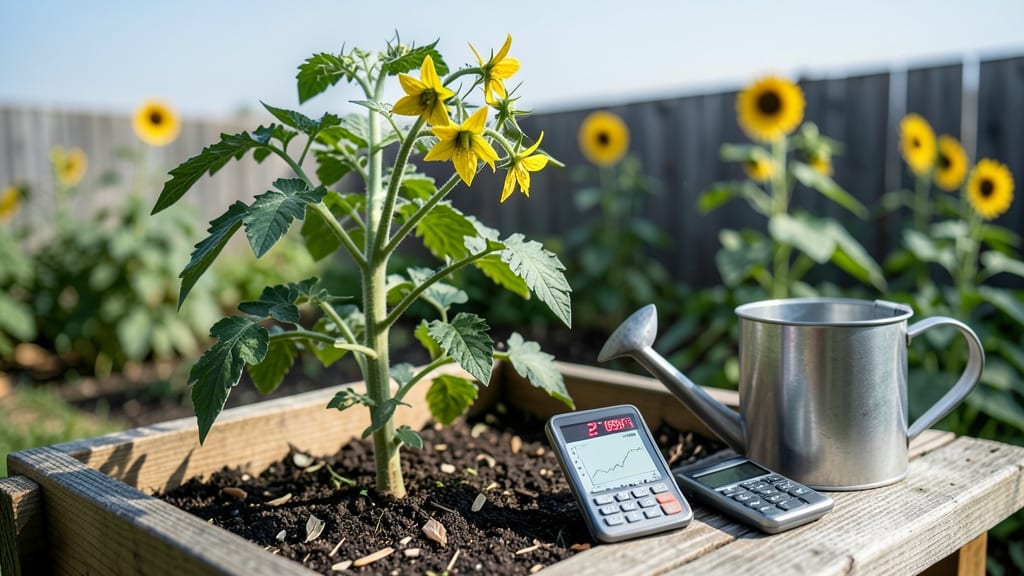
Tomato plants blooming too early can turn your season into a race against time—those tiny flowers won’t wait for proper fruit development. 🌱 I’ve watched my own plants bolt in May, only to drop blossoms before they could ripen, and I’m here to tell you how to outsmart this frustrating cycle.
The key isn’t just stopping blooms but guiding the plant’s energy toward stronger stems and bigger fruit later in the season.
Heat stress, inconsistent watering, or too much nitrogen fertilizer all push tomatoes into early flowering. The fix starts with shade cloth to cool plants during scorching afternoons and a balanced fertilizer (low in nitrogen) to encourage leafy growth first.
Prune suckers aggressively to redirect energy upward—this might feel brutal, but it pays off with stockier plants that handle heat better and produce fruit when temperatures drop.
By mid-July, you’ll see thicker stems and delayed blooming, giving those later flowers a fighting chance to turn into heirloom-sized tomatoes. The plants will also resist cracking and splitting, which early bloomers often suffer from.
This method works for both greenhouse and outdoor tomatoes, though container growers should monitor soil moisture more closely.
Fair warning: You’ll need to stay patient—this isn’t a quick fix, but it’s the difference between a handful of small tomatoes and a bushel basket of flavorful ones.
Once you master the timing, you’ll never panic when those first flowers appear again. Let’s get those plants focused on what really matters: fruit, not just blooms.
📚 In This Guide
- What you need
- Instructions
- Tips and common mistakes
- Wrapping up and next steps
What you need
- ● Pruning shears or sharp scissors – Clean, sterilized (1 pair). Avoid dull tools that crush stems.
- ● Garden gloves – Durable, breathable (1 pair) to protect hands from thorns and dirt.
- ● Plastic bags or paper sacks – Small, breathable (3–5) for collecting pruned blooms.
- ● Compost or mulch – Organic, well-aged (1–2 gallons) to replenish soil nutrients.
- ● Balanced fertilizer (10-10-10 or 5-5-5) – Slow-release preferred (1 lb per 100 sq ft).
- ● Watering can or hose with adjustable nozzle – For gentle, deep watering (1 unit).
- ○ Thermometer (optional but helpful) – Soil or air thermometer to monitor temps (1 unit).
- ● Shade cloth (30–50% coverage) – To temporarily block sunlight if temps soar (1–2 sq ft per plant).
- ● Plant growth regulator (e.g., Paclobutrazol) – Follow label instructions for chemical control (1 bottle).
- ● Garden journal or notebook – To track pruning dates, weather, and plant progress (1 unit).
- ● Spray bottle with water – For light misting on stressed plants (1 unit).
How to delay early blooms and encourage stronger tomato plants
Here's how I trick tomato plants into holding off blooming until they're ready for serious fruit production.
☀️ Step 1: Adjust Light Exposure Strategically
Early blooms appear when plants sense long daylight hours. Move your tomato plants to a location with shorter daylight exposure—like a north-facing window or under a shade cloth that blocks 30-50% of light. This mimics shorter summer days and delays flowering. I use a simple white shade cloth draped loosely over my plants during peak sun hours.
Watch for leaves that look slightly paler than usual—that's your signal the light reduction is working. Too much shade will stunt growth, so aim for 6-8 hours of filtered light daily. If your plants start stretching toward light, they're getting too little. Adjust the shade cloth to maintain that balance.
⏰ Step 2: Limit Watering to Control Growth
Water stress triggers early blooming, so I cut back to every 3-4 days instead of daily. Let the top 1-2 inches of soil dry out completely before watering again. This creates mild stress that keeps the plant focused on leaf and stem growth rather than flowering.
You'll know you're doing it right when the soil feels dry to the touch at the surface. If the leaves start wilting in the heat of the day, you've gone too far—water immediately. The goal is controlled stress, not drought damage. This method works best when combined with the light adjustment above.
🌱 Step 3: Prune Flower Clusters Immediately
As soon as you see flower buds forming, snip them off with clean scissors or pinch them between your fingers. I check my plants every 2-3 days during warm weather to catch new blooms early. Remove the entire flower cluster, including the small stem it grows from—this prevents future blooms from forming in the same spot.
Don't worry about being gentle—these early blooms won't produce quality fruit anyway. You'll see new leaf growth appear within a week of pruning. This aggressive approach might seem harsh, but it forces the plant to redirect its energy into stronger stems and leaves that can support bigger fruit later.
✂️ Step 4: Feed Plants for Leaf Growth
Switch to a high-nitrogen fertilizer (like a 30-10-10 blend) to encourage leafy growth over flowering. I mix 1 tablespoon per gallon of water and apply it every 2 weeks. This feeds the plant what it needs to grow stronger before it starts producing fruit.
Watch for dark green, healthy leaves that appear larger than before—that's your sign the fertilizer is working. Avoid phosphorus-heavy fertilizers (like 10-20-10 blends) during this stage, as phosphorus promotes flowering. Save those for when you're ready to encourage fruit production later in the season.
🌿 Step 5: Monitor Temperature for Optimal Growth
Tomatoes need daytime temperatures between 70-85°F to grow properly. If your area gets hotter than that, provide afternoon shade to prevent stress. I use a simple shade cloth during peak summer afternoons when temperatures climb above 90°F.
You'll know the temperature is right when your plants show vigorous new growth without wilting. If leaves start curling or yellowing, it's a sign of heat stress. Keep an eye on nighttime temperatures too—below 55°F** can slow growth significantly. A small greenhouse or cold frame helps maintain optimal temperatures during cooler evenings.
Tips & tricks for tricking tomato plants into stronger growth
These simple gardening tricks will help you delay early blooms and build stronger tomato plants that produce bigger harvests.
Light Adjustment Insight: When using shade cloth in Step 1, position it so it blocks the most intense afternoon sun (typically 12-4 PM). This mimics the natural light patterns tomatoes experience later in the season. I've found that using a shade cloth with 40% blockage works best for most varieties—it's enough to delay blooming without stunting growth completely. If your plants start stretching toward light, they're getting too little, so adjust the cloth to maintain that 6-8 hour filtered light window.
Watering Technique: The key to controlled stress in Step 2 is consistency. Use your finger to check soil moisture—it should feel dry down to 1-2 inches before watering again. I've learned the hard way that wilting leaves mean you've gone too far. For container plants, this might mean watering every 2-3 days instead of daily, while in-ground plants may need watering every 3-4 days. Always water deeply when you do water, encouraging roots to grow deeper for stronger plants.
Pruning Strategy: In Step 3, don't just remove the visible flower buds—look for tiny flower clusters hiding in the leaf axils (where leaves meet stems). These hidden blooms can form without you noticing. I check my plants every 2-3 days during warm weather, using clean scissors to make precise cuts just above the leaf axil. This aggressive pruning might seem harsh, but it's what forces the plant to focus on building stronger stems and leaves that can support heavier fruit later in the season.
Fertilizer Timing: The 2-week interval for high-nitrogen fertilizer in Step 4 is crucial. I've found that applying it right after pruning gives the plant a growth boost when it needs it most. When mixing your 1 tablespoon per gallon, use lukewarm water to help the fertilizer dissolve completely. Avoid getting fertilizer on the leaves, as it can cause burns. Once you see those dark green, healthy leaves appearing larger than before, you'll know your timing is perfect.
Pro Tips for Tomato Plants Blooming Too Early
- These simple gardening tricks will help you delay early blooms and build stronger tomato plants that produce bigger harvests.
- Light Adjustment Insight: When using shade cloth in Step 1, position it so it blocks the most intense afternoon sun (typically 12-4 PM).
- Watering Technique: The key to controlled stress in Step 2 is consistency.
Frequently asked questions
Got questions about early blooming tomato plants? You’re not alone! Here are some of the most common concerns—and quick fixes—to keep your plants on track for a bountiful harvest.
Why are my tomato plants blooming so early?
Early blooming often happens due to heat stress (especially in warm climates) or inconsistent watering. Tomato plants may also respond to sudden temperature shifts or overcrowding. If your variety is a determinate type, it might naturally bloom early to capitalize on short seasons.
Will early blooms still produce fruit?
Yes, but the fruit may be smaller or underdeveloped if conditions aren’t ideal. Early blooms can also lead to blossom drop if nights stay too warm (above 75°F/24°C) or if pollination fails. Prune excess blooms to redirect energy to later, stronger growth—especially for indeterminate varieties.
How can I delay blooming naturally?
Try these tricks to pause flowering:
- Reduce sunlight: Use shade cloth (30-50%) for 4-6 weeks to slow growth.
- Adjust watering: Let soil dry slightly between waterings to stress plants gently.
- Prune aggressively: Remove all blooms and suckers to focus on foliage growth.
- Lower nighttime temps: Use row covers or move pots to cooler spots.
Should I remove early blooms entirely?
For indeterminate tomatoes (vining types), yes—prune early blooms to encourage stronger stems and later, more productive flowers. For determinate (bush) types, you can leave a few to fruit early but prioritize saving energy for the main harvest. Always sterilize pruners with rubbing alcohol to prevent disease.
What if my plants bloom early and face frost?
Act fast! Cover plants with frost cloth or row covers at night, and remove them during the day. If blooms are already damaged, prune them off to protect the plant. For severe frost, focus on saving the main stem—new growth will emerge once temps rise. Prevention tip: Plant cold-sensitive varieties (like ‘Celebrity’) after your last frost date!
Pro Tip:
Keep a growth journal! Track blooming dates, temps, and pruning actions. This helps you adjust strategies for next season—like choosing slower-maturing varieties or adjusting planting times.
Wrapping up and next steps
Don’t let early blooms stress you out—with the right adjustments, your tomato plants can still thrive and reward you with a bountiful harvest! 🌱 Whether it’s adjusting light, temperature, or nutrients, you now have the tools to guide those blooms into fruit. Stay patient, observe your plants closely, and trust the process.
Ready to take action? Pick one strategy—like pruning, adjusting fertilizers, or providing shade—and monitor your plants over the next few weeks. Soon, you’ll be enjoying homegrown tomatoes that are the star of your meals!