
Plants
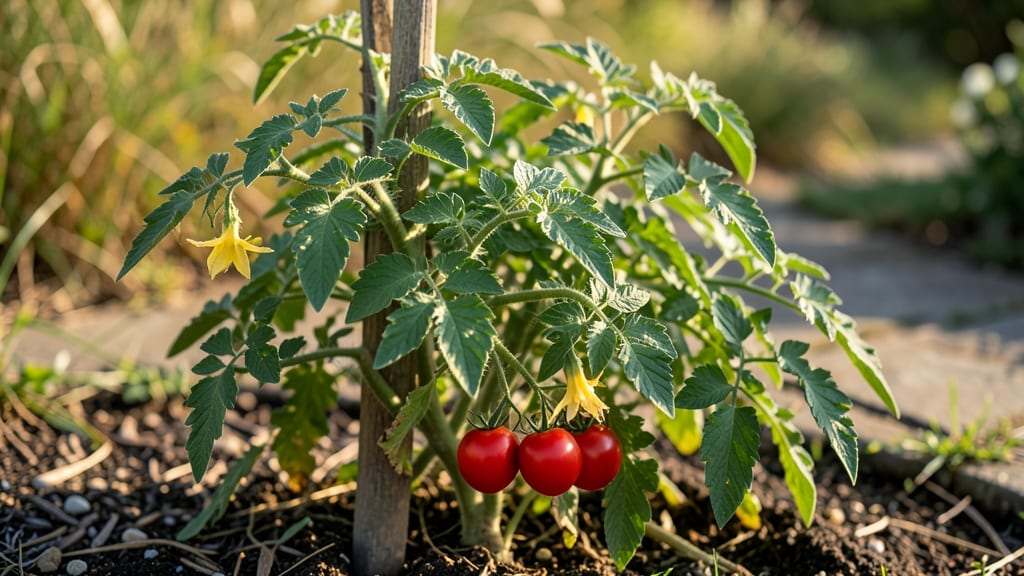
Tomato plant troubleshooting just saved my 2019 harvest from total collapse. 🌱 That year, my cherry tomatoes were wilting, my beefsteaks had blossom end rot, and hornworms were stripping leaves faster than I could pick them. The good news? Every single problem had a quick fix—no panic, no lost season.
Most issues boil down to three things: watering mistakes, nutrient imbalances, or pests. Overwatering causes blossom end rot (that classic black bottom on fruit), while underwatering leads to wilting and stunted growth.
And yes, even organic gardens get pests—aphids, hornworms, and spider mites are the usual culprits. The key is catching problems early and acting fast.
You’ll learn to identify each issue by leaf color, fruit symptoms, or pest sightings, then apply targeted solutions—like calcium sprays for rot, neem oil for pests, or proper mulching to keep roots stable. Within 3-5 days of fixing the root cause, plants bounce back with new growth or blossoms.
Whether you’re dealing with a single plant or your whole garden, these fixes work for determinate and indeterminate varieties alike. Let’s turn those wilting leaves into lush vines and those sad fruits into sun-ripened treasures.
Root Causes of Tomato Plant Struggles
Understanding why your tomato plants act up is half the battle—once you know the science behind the problem, you can tackle it like a pro. Let’s break down the most common culprits and the biology behind their mischief.
Tomatoes are thirsty, but too much water is a recipe for disaster. When soil stays soggy, roots suffocate because they can’t access oxygen—a process called anoxia.
This triggers: - Blossom end rot (calcium uptake fails when roots can’t function). - Fungal diseases (like Phytophthora, which thrives in waterlogged soil). - Root rot (soft, mushy roots that can’t absorb nutrients).
Why it happens:
- Compacted soil traps water near the roots, cutting off oxygen.
- Overzealous watering (especially on a schedule) without checking soil moisture.
- Lack of drainage in containers or raised beds.
Tomatoes are heavy feeders, and when they don’t get the right nutrients, they send distress signals:
- Yellow leaves (chlorosis) = Iron or nitrogen deficiency (common in alkaline soils).
- Purple stems/leaves = Phosphorus shortage (critical for flowering).
- Weak stems, small fruit = Potassium or calcium deficiency (often from uneven watering).
Why it happens:
- Soil depletion after multiple harvests (tomatoes leach nutrients fast).
- Improper pH (tomatoes thrive at 6.0–6.8; outside this range, nutrients lock up).
- Over-fertilizing with nitrogen (leads to lush foliage but no fruit).
Tomatoes are a buffet for bugs and microbes.
Here’s how they strike: - Aphids/spider mites suck sap, causing curled leaves and stunted growth (they also spread viruses). - Fungal infections (like early blight or powdery mildew) thrive in humid, shady conditions. - Hornworms devour leaves overnight—one caterpillar can defoliate a plant in 24 hours.
Why it happens:
- Stressed plants (from drought, poor soil, or overcrowding) are easier targets.
- Lack of airflow (dense foliage traps moisture, inviting fungi).
- Monoculture gardening (planting tomatoes in the same spot yearly builds up pests/diseases).
Tomatoes are tropical at heart but can’t handle extremes:
- Heat stress (above 90°F) causes blossom drop (flowers abort before fruiting).
- Cold snaps (below 50°F) stunt growth and blacken leaves.
- Sunburn (direct midday sun on ripe tomatoes) leaves white/yellow patches.
Why it happens:
- Inconsistent temperatures (e.g., cool nights + hot days disrupt pollination).
- Lack of shade cloth in peak summer (especially for greenhouse tomatoes).
- Sudden weather shifts (e.g., a late frost after warm spells).
Even the hardiest tomato starts can wilt if not handled right. Transplant shock occurs when:
- Roots are damaged during moving (circling roots or broken stems).
- The plant is transplanted too early (before soil warms to 60°F).
- Root disturbance during repotting (tomatoes hate being moved after flowering).
Why it happens:
- Rushing the season (cool soil slows root growth, making plants vulnerable).
- Overcrowded pots (roots compete for space, stunting growth).
- Improper hardening off (suddenly exposing seedlings to full sun/wind).
Quick Fixes for Common Tomato Plant Problems
Got a tomato plant acting up? Don’t panic—most issues have simple, effective solutions! Below, we’ll walk you through step-by-step fixes for wilting, blossom end rot, pests, and more. Plus, we’ll share prevention tips to keep your plants thriving all season long.
Cause: Overwatering, underwatering, heat stress, or root issues.
How to Fix It:
- Check the soil moisture 💧—stick your finger 1–2 inches deep. If dry, water deeply (but avoid soggy soil). If overly wet, hold off on watering and improve drainage.
- Adjust watering habits ⏰—water early in the morning or late afternoon to reduce evaporation. Use mulch to retain moisture.
- Provide shade ☀️—if wilting from heat, move pots to partial shade or use shade cloth for garden plants.
- Inspect roots 🔍—if roots look mushy or discolored, trim affected areas and repot in fresh, well-draining soil.
Prevention Tips: ✅ Water consistently—aim for 1–1.5 inches per week (adjust for climate). ✅ Use containers with drainage holes to prevent root rot. ✅ Monitor humidity—wilting can worsen in dry conditions; use a humidity tray or mist leaves lightly.
Cause: Calcium deficiency, uneven watering, or poor soil drainage.
How to Fix It:
- Apply calcium-rich amendments 🥛—sprinkle crushed eggshells, bone meal, or a calcium supplement (like gypsum) around the base.
- Water evenly 💦—keep soil moist but not waterlogged. Drip irrigation or soaker hoses help.
- Prune affected fruit ❌—remove severely rotten tomatoes to redirect energy to healthy growth.
- Test soil pH 📊—aim for 6.0–6.8; adjust with lime if too acidic.
Prevention Tips: 💡 Use compost—rich organic matter improves calcium uptake. 💡 Mulch heavily—retains moisture and stabilizes soil calcium levels. 💡 Harvest early—pick tomatoes when slightly green to prevent rot progression.
Cause: Overcrowded plants, weak foliage, or poor garden hygiene.
How to Fix It:
- Handpick pests 👨🍳—squash aphids or hornworms (they’re edible—toss them in a salad!).
- Spray with soapy water 🧼—mix 1 tsp mild soap in 1 quart water; spray directly on pests (avoid flowers).
- Introduce beneficial insects 🐞—ladybugs, lacewings, or parasitic wasps eat tomato pests naturally.
- Use row covers 🛡️—protect young plants from flying insects like whiteflies.
Prevention Tips: ✨ Rotate crops—don’t plant tomatoes in the same spot yearly. ✨ Remove debris—clean up fallen leaves to reduce hiding spots. ✨ Plant companion herbs 🌿—basil, marigolds, or garlic repel pests.
Cause: Humid conditions, poor airflow, or contaminated soil.
How to Fix It:
- Prune infected leaves ⚔️—cut off yellow/brown spots and dispose of them (don’t compost!).
- Improve airflow 🌬️—space plants 18–24 inches apart; stake or cage plants for support.
- Apply copper fungicide 🛡️—spray preventatively every 7–10 days in humid climates.
- Water at the base 💧—avoid wetting leaves to prevent spore spread.
Prevention Tips: 🌡️ Space plants properly—crowding traps moisture. 🌡️ Avoid overhead watering—use drip systems instead. 🌡️ Solarize soil ☀️—cover soil with clear plastic for a week to kill fungal spores before planting.
Cause: Lack of nitrogen, magnesium, or iron; or over-fertilizing.
How to Fix It:
- Test soil 📊—use a home kit or send a sample to a lab for precise nutrient analysis.
- Add organic amendments 🌱—nitrogen: compost or fish emulsion; magnesium: Epsom salt (1 tbsp/gallon water); iron: chelated iron supplement.
- Adjust fertilizer 💊—if leaves are crispy, you’re overdoing it; switch to a balanced 10-10-10 or tomato-specific feed.
Prevention Tips: 🔥 Fertilize in stages—feed lightly every 2–3 weeks, not all at once. 🔥 Use worm castings—gentle, nutrient-rich, and won’t burn roots.
Pro Tip: 🎯 Act fast! Early intervention saves your harvest. Most problems are reversible with the right care—so don’t let a few setbacks ruin your tomato dreams! 🍅✨
Frequently asked questions about tomato plant troubleshooting
Why are my tomato leaves turning yellow, but the veins stay green?
This classic symptom signals iron deficiency (chlorosis), common in alkaline soils. Test your soil pH—tomatoes thrive at 6.0–6.8. If the pH is too high, add chelated iron or compost to improve nutrient uptake. For container plants, use acidic fertilizer like fish emulsion.
My tomato flowers keep falling off before fruiting—what’s causing this?
This is blossom drop, usually from heat stress (above 90°F) or inconsistent watering. Provide afternoon shade during heatwaves and water deeply at the base (not overhead). For greenhouse tomatoes, use shade cloth or mist leaves lightly to stabilize humidity.
How do I tell if my wilting tomato plant needs water or has root rot?
Check the soil 1–2 inches deep—if it’s dry, water deeply. If soggy, you’ve got root rot. Gently dig around the base: healthy roots are firm and white; rotten roots are mushy and brown. Trim affected roots, repot in fresh soil, and reduce watering until drainage improves.
Can I still save my tomatoes if they have early blight (brown spots on lower leaves)?
Yes! Prune infected leaves immediately and dispose of them (don’t compost). Improve airflow by spacing plants 18–24 inches apart and stake them for support. Apply copper fungicide every 7–10 days in humid climates. Harvest early—pick tomatoes when slightly green to stop the spread.
What’s the fastest way to get rid of hornworms stripping my tomato leaves?
Handpick them at night (they’re most active then)—they’re easy to spot with their green bodies and white stripes. Drop them in soapy water or toss them in a salad (they’re edible!). For prevention, introduce parasitic wasps (natural predators) or plant basil nearby—hornworms avoid it.