
Planting
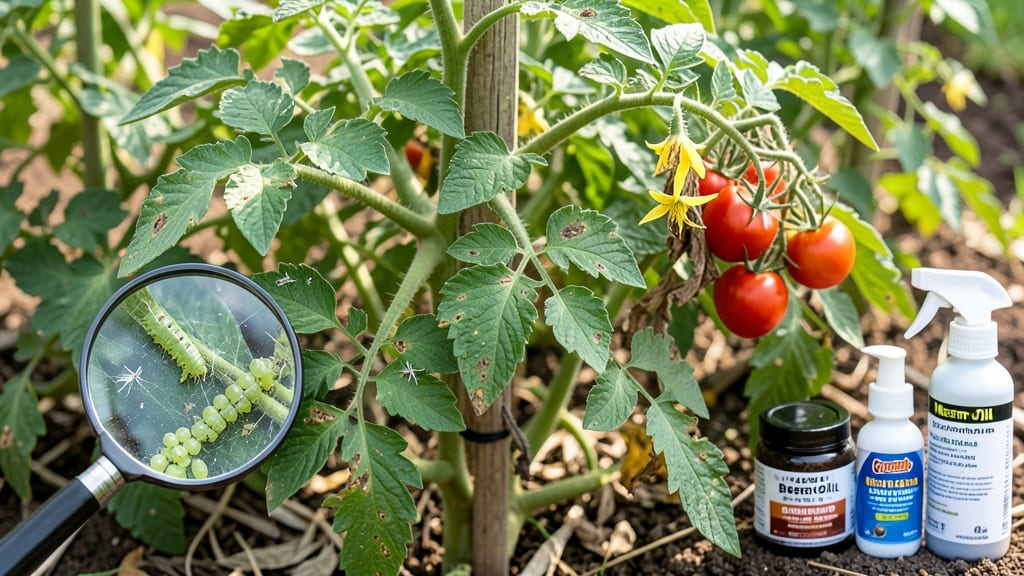
Tomato plant pests can turn your lush vines into a buffet for hungry insects—but I’ve learned how to fight back without chemicals. 🌱 The key is spotting early signs (like chewed leaves or sticky residue) and acting fast with organic solutions that protect both your plants and pollinators.
Most problems start with poor garden hygiene or overcrowded plants. Slugs, aphids, and hornworms love stressed tomatoes, but simple fixes—like neem oil sprays, handpicking pests, or introducing ladybugs—keep them in check. I’ve saved entire crops using these methods alone.
You’ll end up with healthy, thriving plants that produce more fruit with fewer blemishes. The secret? Prevention through companion planting (basil repels pests!) and regular inspections so you catch issues before they spread. Works for backyard gardens, containers, or even balcony setups. Let’s keep those tomatoes pest-free!
Root Causes of Tomato Plant Attacks
Tomato plants are a magnet for pests—not because they’re weak, but because they’re nutrient-rich, lush, and thriving. When conditions align just right, insects, diseases, and even wildlife zero in on your garden’s star produce.
Understanding the why behind these invasions helps you disrupt their plans before they strike. Let’s break down the key factors that turn your tomato patch into an all-you-can-eat buffet for pests.
Tomatoes need space to breathe—literally. When plants are packed too closely together, air circulation grinds to a halt, creating the perfect damp, shaded environment for fungal spores and soft-bodied pests like aphids and whiteflies.
Weak stems from overcrowding also make plants easier targets for chewing insects like hornworms, which can strip a plant bare in hours.
Why it happens:
- Poor airflow traps moisture on leaves, inviting fungal diseases (e.g., early blight) that attract pests like Thrips tabaci (thrips) drawn to moldy foliage.
- Competition for nutrients weakens roots, reducing the plant’s ability to fend off stress—making it more susceptible to Meloidogyne incognita (root-knot nematodes), which thrive in nutrient-depleted soil.
- Shade stress from dense planting slows photosynthesis, leaving plants sugar-starved and less able to produce natural pest-repellent compounds like α-tomatine.
💡 Pro Tip: Space tomato plants 18–24 inches apart (or 3 feet for indeterminate varieties) and prune suckers to improve airflow. If you’re short on space, use vertical trellises to lift plants off the ground and reduce soil-borne pest access.
Water is the lifeblood of your tomato plants—but get it wrong, and you’re basically rolling out the welcome mat for pests. Overwatering creates soggy soil, while underwatering stresses plants into producing sticky honeydew, a magnet for ants and aphids.
Even the timing of watering matters: wet leaves at night? That’s an open invitation to fungal diseases like Phytophthora, which pests adore.
Why it happens:
- Overwatering leads to anaerobic soil, where root-knot nematodes and fungus gnats multiply. Their larvae feed on roots, weakening the plant and making it easier for hornworms to move in.
- Underwatering causes osmotic stress, triggering the plant to produce more sugars in its leaves—aphids’ favorite snack. These pests then excrete honeydew, which attracts sooty mold and ants.
- Morning watering (instead of evening) allows foliage to dry quickly, reducing the risk of Alternaria solani (early blight) and the pests that follow.
🌡️ Actionable Fix: Water deeply at the base (1–1.5 inches per week) using drip irrigation or soaker hoses to avoid wetting leaves. Mulch heavily with straw or wood chips to retain moisture and deter soil-dwelling pests.
Tomatoes are heavy feeders, but too much of the wrong fertilizer can turn your plants into a pest paradise. Excess nitrogen (common in synthetic fertilizers) produces soft, leafy growth that aphids and whiteflies love.
Meanwhile, a deficiency in phosphorus or potassium weakens the plant’s immune response, making it easier for pests like spider mites to take hold.
Why it happens:
- High nitrogen leads to rapid, tender growth that aphids pierce easily. These pests also vector viruses (e.g., Tomato Yellow Leaf Curl Virus), spreading disease.
- Low potassium weakens cell walls, making plants more vulnerable to Macrosiphum euphorbiae (green peach aphids) and Tetranychus urticae (spider mites), which thrive in stressed plants.
- Improper soil pH (too acidic or alkaline) locks out beneficial microbes that compete with pests for nutrients, tipping the balance in favor of harmful organisms like Verticillium wilt fungi.
✨ Organic Fix: Use a balanced organic fertilizer (e.g., 5-5-5 or 3-4-6 ratio) and supplement with compost tea to boost microbial activity. Avoid synthetic quick-release nitrogen—opt for slow-release sources like worm castings or fish emulsion.
Tomatoes are sensitive to temperature swings, and when they’re stressed, pests smell the weakness from miles away. Extreme heat dries out leaves, making them crispy targets for spider mites, while sudden cold snaps weaken roots, inviting nematodes.
Even unpredictable weather (like hail or wind) can damage foliage, creating entry points for secondary pests.
Why it happens:
- Heat stress (>90°F) causes stomatal closure, reducing the plant’s ability to transpire (release water vapor). This leads to dry, cracked leaves, which spider mites adore because they can’t survive in humid conditions.
- Cold stress (<50°F at night) stuns root growth, making plants more susceptible to Pratylenchus penetrans (lesion nematodes), which thrive in chilly, waterlogged soil.
- Physical damage (e.g., hail, strong winds) ruptures plant tissues, creating wounds that hornworms and cutworms exploit to lay eggs or feed.
🔥 Climate Hack:
- Use shade cloth (30–50%) during heatwaves to reduce stress.
- Mulch with straw or black plastic to insulate roots from temperature swings.
- Plant windbreaks (e.g., tall sunflowers or corn) to protect against physical damage.
Pests don’t attack healthy, resilient tomato plants—they go after the easy targets. By addressing these root causes, you’re not just reacting to infestations; you’re disrupting the conditions that invite them in the first place. Next up: how to kick pests out for good.
Fixing Tomato Plant Problems Naturally
When pests and diseases strike your tomato plants, quick action is key—but you don’t need harsh chemicals to save the day. Below are practical, organic solutions tailored to common tomato plant pests, organized by cause. Each fix includes step-by-step instructions and prevention tips to keep your garden thriving.
Signs: Large, green caterpillars with white stripes, stripped leaves, and missing fruit.
How to Fix It: 🔥 Handpick & Remove – Check plants daily (especially in the morning) and drop hornworms into soapy water. Pro tip: 💡 Wear gloves—they can pinch!
🍳 Neem Oil Spray – Mix 1 tbsp neem oil + 1 tsp mild soap in 1 quart of water. Spray leaves thoroughly (avoid flowers to protect pollinators). Reapply every 5–7 days.
👨🍳 Encourage Predators – Ladybugs and parasitic wasps love hornworms. Plant dill, fennel, or marigolds nearby to attract them.
🌡️ Prevention Tip: Use row covers early in the season to block egg-laying moths.
Signs: Sticky residue (honeydew), curled leaves, and tiny green/black clusters on stems.
How to Fix It: 🔪 Blast Them Off – Spray plants with a strong stream of water to dislodge aphids. Repeat daily until gone.
🥘 Homemade Soap Spray – Mix 1 tbsp castile soap in 1 quart of water. Spray directly on infested areas (test on a small leaf first).
🎯 Introduce Beneficial Insects – Release ladybugs or lacewings (available at garden centers). They’ll devour aphids in days!
✨ Prevention Tip: Reflective mulch (aluminum foil) confuses aphids and deters them from settling.
Signs: Brown, rotting spots on leaves/fruit, especially in humid weather.
How to Fix It: 🌿 Prune & Dispose – Cut off infected leaves below the spot (not through it) and compost them away from the garden.
🍳 Baking Soda Spray – Mix 1 tbsp baking soda + 1 tsp oil + 1 quart water. Spray every 7–10 days to create an unfriendly environment for fungi.
💡 Improve Airflow – Space plants 18–24 inches apart and stake them to reduce humidity. Avoid overhead watering.
🔥 Copper Fungicide – Use an organic copper spray (like Bordeaux mixture) as a last resort. Follow label instructions carefully.
Signs: Tiny white moths fluttering when you disturb plants; sticky residue on leaves.
How to Fix It: 🕯️ Yellow Sticky Traps – Hang yellow cards coated in petroleum jelly near plants to trap adults.
🥘 Neem Oil or Insecticidal Soap – Spray undersides of leaves (where they hide) every 3–4 days until gone.
👨🍳 Release Parasitic Wasps – Encarsia formosa wasps target whiteflies. Order from garden suppliers for long-term control.
🌡️ Prevention Tip: Avoid over-fertilizing with nitrogen—it attracts whiteflies. Use balanced organic fertilizer instead.
Signs: Fine webbing on leaves, speckled yellowing, and tiny red/orange mites.
How to Fix It: 💦 Water Them Away – Spider mites hate humidity. Mist plants daily (especially undersides) to wash them off.
🍳 Diatomaceous Earth (DE) – Sprinkle food-grade DE around the base of plants and on leaves. Reapply after rain.
🌿 Predatory Mites – Introduce Phytoseiulus persimilis (sold at garden stores) to hunt spider mites naturally.
✨ Prevention Tip: Keep plants healthy—stressed tomatoes attract mites. Ensure 6+ hours of sunlight and well-draining soil.
- Rotate crops – Don’t plant tomatoes in the same spot yearly to break pest cycles.
- Interplant with herbs – Basil, thyme, and oregano repel pests while improving flavor.
- Inspect regularly – Catch problems early with weekly garden checks (10 minutes saves hours of work!).
- Use row covers – Protect young plants with floating row covers until flowering (then remove to allow pollination).
Final Thought: 🌱 Most tomato pests can be managed without chemicals—it’s all about observation, quick action, and smart prevention. With these fixes, your plants will stay strong, and your harvest will be plentiful and pest-free!
Frequently asked questions
What are the most common tomato plant pests I should watch for?
Start with hornworms (green caterpillars with white stripes), aphids (tiny green/black clusters), and whiteflies (tiny white moths). Don’t forget spider mites (webbing on leaves) and slugs (chewed leaves with slime trails). Early detection is key—check plants twice weekly during growing season.
How do I tell if my tomato plant has pests or just normal stress?
Look for specific signs: chewed leaves (hornworms), sticky residue (aphids), or webbing (spider mites). Stress usually shows as yellowing leaves or wilting without visible damage. Pro tip: Tap leaves over a white sheet—pests will fall out! Compare symptoms to the pest identification guide in the article.
Can I use neem oil on tomatoes at any growth stage?
Yes, but avoid spraying directly on flowers when tomatoes are blooming (it can harm pollinators). Apply neem oil early morning or late afternoon to flowers, focusing on leaves and stems. For best results, use it preventively every 2 weeks during pest season.
Will companion planting really keep pests away?
Plant basil (repels thrips), marigolds (deter nematodes), or nasturtiums (confuse aphids) near your tomatoes. The key is interplanting—mix these with your tomatoes rather than planting them in separate rows. Even garlic nearby can reduce fungal diseases by up to 50%.
What should I do if my tomato plants already have severe pest damage?
Act fast: prune heavily damaged leaves (don’t compost them—bag and discard), then treat with neem oil or insecticidal soap. For root problems (like nematodes), add compost or sand to improve drainage. In extreme cases, consider replacing heavily infested plants to save your harvest. Prevention is easier than recovery!