
Planting
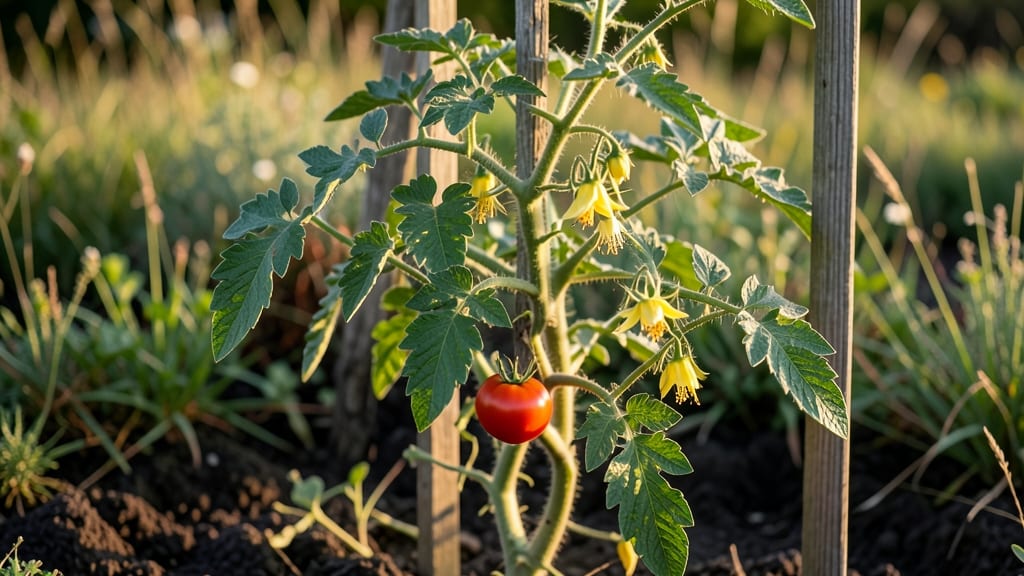
Growing tomato plants at home means fresh, vine-ripened fruit straight from your porch or backyard. 🌱 I’ve turned my balcony into a mini tomato paradise—no green thumb required—just the right variety, a sunny spot, and a little patience.
The first time I tasted a tomato I grew myself, I was hooked for life. That sweet, tangy burst of flavor beats anything from the store every time.
Start with determinate varieties for containers or indeterminate types if you have space for sprawling vines. Your soil needs to drain well (mix in compost if your yard soil is heavy), and the pot or bed should get 6-8 hours of sun daily.
Most beginners overwater—tomatoes hate soggy roots, so let the top inch dry out between waterings. A simple stake or cage keeps those heavy vines from collapsing under fruit weight.
By mid-summer, you’ll be harvesting tomatoes that burst with flavor—no preservatives, no shipping damage, just pure garden goodness. The key is consistent care: pinch off early flowers if plants look stressed, feed with balanced fertilizer every 2-3 weeks, and watch for pests like hornworms (they’re sneaky!).
Even my first attempt produced a dozen ripe tomatoes by August.
This works for apartments, small yards, or sprawling gardens—just adjust the container size. Whether you’re growing cherry tomatoes in 5-gallon pots or slicing varieties in raised beds, the principles stay the same. Let’s get those seeds in the ground and turn your space into a tomato haven.
📚 In This Guide
- What you need
- Instructions
- Tips and common mistakes
- Wrapping up and next steps
What you need
- ● Tomato seeds or seedlings: Choose disease-resistant varieties like Cherry, Roma, or Beefsteak. Buy 3–5 seeds or 2–3 seedlings per plant.
- ● Containers or garden bed: For containers: 5-gallon pots or larger (minimum 12" deep) with drainage holes. Use 2–4 pots per plant.
- ● For garden beds: Full sun (6–8 hours/day) and well-draining soil.
- ● Potting mix: High-quality, organic mix (avoid garden soil—it may compact). Use 1–2 bags per container.
- ● Fertilizer: Balanced fertilizer (10-10-10) or tomato-specific fertilizer (follow package rates).
- ○ Compost or worm castings (optional but recommended for nutrient boost).
- ● Support system: For indeterminate varieties: Tall stakes (6–8 ft) or cages (5–6 ft).
- ● For determinate varieties: Smaller cages or trellises (3–4 ft).
- ● Watering can or hose: With a gentle spray nozzle to avoid damaging stems.
- ● Mulch: Straw or shredded leaves (1–2 inches) to retain moisture and suppress weeds.
- ● Pruning shears for trimming suckers and dead leaves.
- ● pH testing kit to ensure soil pH is 6.0–6.8 (ideal for tomatoes).
- ● Garden gloves to protect your hands.
- ● Spray bottle for misting seedlings.
- ● Row cover or shade cloth (if growing in hot climates).
Step-by-step instructions for growing tomato plants at home
Here's how to grow healthy tomato vines from seed to harvest—whether in pots or garden beds.
🌱 Step 1: Start Seeds Indoors 6-8 Weeks Before Last Frost
Fill seed trays with sterile seed-starting mix and moisten until damp but not soggy. Plant seeds ¼ inch deep, two per cell, since tomatoes often germinate unevenly. Cover lightly with more mix and mist gently to settle the soil around them. I like to use a humidity dome or plastic wrap to trap warmth—tomato seeds germinate best at 75-85°F.
Place the tray on a seedling heat mat if possible, or keep it in a warm spot like on top of the fridge. Germination usually takes 7-14 days, but don't give up if nothing appears after two weeks—some varieties are slow starters. Once sprouts emerge, remove the dome immediately to prevent damping-off, a fungal disease that attacks tender seedlings.
☀️ Step 2: Provide Strong Light and Fertilize Young Plants
The moment seedlings break through the soil, move them to a south-facing window or under grow lights for 14-16 hours daily. Without enough light, seedlings stretch weakly toward the sun, a condition called "legginess" that's nearly impossible to correct. You'll know they're getting enough light when the stems stay thick and the leaves are dark green with no gaps between them.
When the first true leaves appear (not the initial seed leaves), fertilize with a balanced liquid fertilizer diluted to half strength. Over-fertilizing now burns delicate roots. I also pinch off the lower leaves to encourage upward growth and reduce disease risk from touching the soil.
🪴 Step 3: Transplant to Larger Containers or Garden Beds
After 4-6 weeks and when seedlings have 3-4 true leaves, harden them off by placing them outside in partial shade for 1-2 hours daily, gradually increasing time over 7-10 days. For containers, choose pots at least 12-18 inches deep with drainage holes—tomatoes need room for deep roots. Fill with well-draining potting mix amended with compost.
Dig a hole twice as wide as the root ball and place the seedling in, firming soil around the base. Bury the stem slightly deeper than it was in the tray—this encourages stronger root growth. In garden beds, space plants 18-24 inches apart in rows 3 feet apart to allow airflow and easy harvesting. Water deeply right after transplanting to settle the soil.
✂️ Step 4: Support Vines and Maintain Consistent Care
Install cages, stakes, or trellises immediately after transplanting—tomatoes grow fast, and unsupported vines break easily. I prefer sturdy cages for containers and tall stakes for garden beds, tying the main stem loosely with soft plant ties every 10-12 inches as it grows. Prune suckers (the small shoots that form in the leaf axils) regularly to direct energy to fruit production.
Water at the base 1-2 inches deep every 2-3 days, letting the soil dry slightly between waterings. Mulch around plants with 2-3 inches of straw or shredded leaves to retain moisture and suppress weeds. Feed every 2-3 weeks with a tomato-specific fertilizer or compost tea to prevent blossom-end rot and encourage heavy fruiting.
🍅 Step 5: Harvest and Extend the Season
Pick tomatoes when they're fully colored and slightly soft to the touch. Green tomatoes can ripen indoors on a sunny windowsill or in a paper bag with a banana (the ethylene gas speeds ripening). For containers, choose compact varieties like 'Tiny Tim' or 'Patio Princess'—they produce well in limited space and don't require heavy pruning.
To extend the season, cover plants with floating row covers or move containers to a sheltered spot before the first frost. In warm climates, succession plant seeds every 2-3 weeks for a continuous harvest. The key to homegrown tomatoes is consistency—stay on top of watering, pruning, and fertilizing, and you'll reward yourself with vine-ripened flavor you won't find in stores.
Tips & tricks for thriving tomato vines
Here's what nobody tells you about growing tomatoes that actually makes the difference between struggling plants and a bountiful harvest.
Germination Secrets: The 75-85°F temperature range is critical for germination—don't skip the heat mat or warm spot! I've seen seeds fail to sprout when placed in cool rooms. If you don't have a heat mat, try placing the tray on top of your fridge (not inside) where it stays consistently warm. And here's the thing: those 7-14 days can feel like forever, but be patient—some heirloom varieties take up to 21 days to germinate. Mark your calendar when you plant to track progress accurately.
Light is Everything: Those 14-16 hours of light daily are non-negotiable for preventing leggy seedlings. I've had to toss out entire trays of plants that stretched toward weak light sources. If your south-facing window isn't enough, invest in a basic LED grow light—even a 12-inch model works for seedling trays. Watch for leaves that touch each other (a sign of overcrowding) and thin seedlings to the strongest one per cell immediately after germination. This might seem harsh, but it prevents competition for resources.
Transplanting Wisdom: The 4-6 week mark for transplanting is just a guideline—your plants should have 3-4 true leaves regardless of time. I've transplanted both earlier and later than this window with success, but the key is plant size, not calendar days. When hardening off, start with just 1-2 hours in partial shade, then increase gradually. Sudden exposure to full sun can scorch tender leaves. Pro tip: Transplant on a cloudy day to reduce stress on your seedlings.
Support System Strategy: Installing cages or stakes immediately after transplanting might seem premature, but tomatoes grow surprisingly fast. I've seen vines double in height in just 10 days during warm weather. Use soft plant ties (like old t-shirts cut into strips) to secure the main stem—these are gentler than plastic ties and won't cut into growing stems. For containers, choose cages that are at least 5 feet tall—dwarf varieties still need support for proper air circulation.
Pro Tips for Tomato Plant At Home
- Here's what nobody tells you about growing tomatoes that actually makes the difference between struggling plants and a bountiful harvest.
- Germination Secrets: The 75-85°F temperature range is critical for germination—don't skip the heat mat or warm spot!
- Light is Everything: Those 14-16 hours of light daily are non-negotiable for preventing leggy seedlings.
Frequently asked questions
Got questions about growing tomato plants at home? You’re not alone! Here are some of the most common concerns—and their practical solutions—to help you cultivate a thriving tomato harvest.
How long does it take for a tomato plant to produce fruit?
With proper care, most tomato plants start flowering in 6–8 weeks after transplanting (or 10–14 weeks from seed). Fruit typically ripens in 4–10 weeks after flowering, depending on the variety. Determinate types (like cherry tomatoes) often bear fruit faster, while indeterminate varieties (like beefsteak) produce continuously until frost.
Can I grow tomatoes year-round indoors?
Yes, but success depends on light and warmth. Tomatoes need 6–8 hours of direct sunlight daily—supplement with grow lights if natural light is limited. Keep temperatures between 70–85°F (21–29°C) during the day and avoid drafts. Dwarf or bush varieties (like ‘Tiny Tim’) are ideal for containers indoors.
Why are my tomato leaves turning yellow?
Yellowing leaves (chlorosis) usually signals overwatering, nutrient deficiency, or pests. Check soil moisture—tomatoes hate soggy roots. Lack of magnesium (Epsom salt spray) or nitrogen (balanced fertilizer) can cause this too. Inspect undersides for aphids or spider mites; treat with neem oil or insecticidal soap if needed.
Do I need to prune my tomato plant?
Pruning depends on the type: Indeterminate varieties (like ‘Sungold’) benefit from pruning to improve airflow and fruit size—remove suckers (shoots in leaf axils) and lower leaves. Determinate types (like ‘Roma’) rarely need pruning. Always use clean, sharp scissors to avoid disease. Pro tip: Prune in the morning for faster healing!
What’s the best container size for growing tomatoes?
For bush tomatoes, a 5-gallon container works; vining varieties need at least 10–15 gallons. Ensure containers have drainage holes and use a lightweight potting mix. Depth matters too: Roots need 12–18 inches of soil to support heavy fruit. Add a tomato cage or trellis early to prevent toppling.
Wrapping up and next steps
Growing tomato plants at home is a rewarding journey that brings fresh, homegrown goodness to your table! 🌱 Whether you're nurturing vines in containers or garden beds, the key lies in proper planning, consistent care, and a little patience.
With the right soil, sunlight, and support, you’ll soon be harvesting juicy, flavorful tomatoes that rival anything store-bought.
Ready to take the next step? Start by choosing your favorite variety—cherry tomatoes for snacking, beefsteaks for sandwiches, or heirlooms for gourmet dishes—and get planting! Soon, you’ll be enjoying the fruits (and veggies!) of your labor. Happy gardening! 🍅✨