
Vegetables
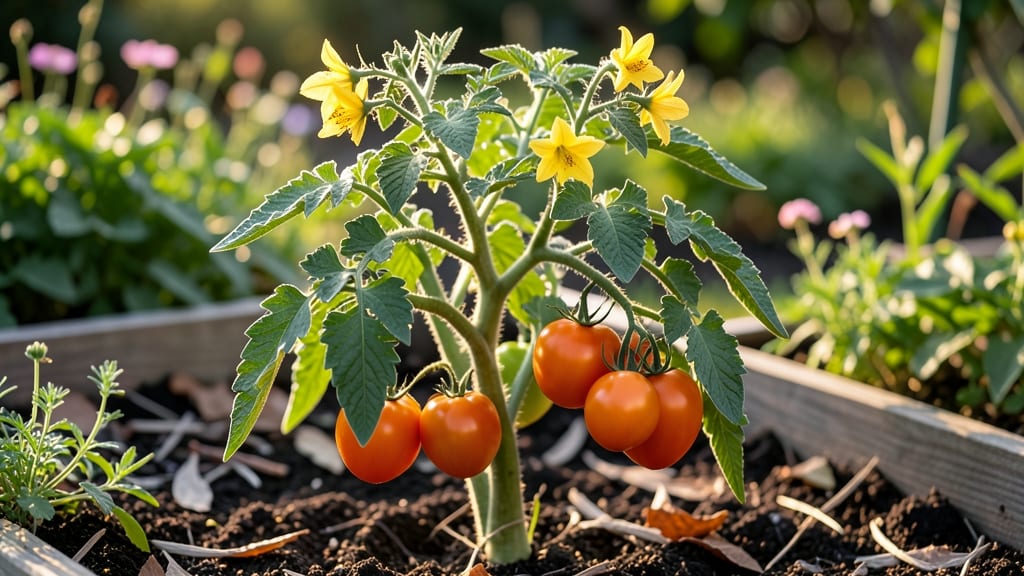
The Orange Russian tomato delivers sweet, tangy flavor that turns every slice into a summer highlight. 🌿 I planted mine last spring and was shocked by how many fruits survived our late-season frost—this variety truly earns its frost-resistant reputation.
The key lies in its early maturity and sturdy vines that shrug off cold snaps better than most heirlooms.
These tomatoes thrive in full sun with rich, well-draining soil that stays consistently moist but never soggy. My plants produced 1-2 pounds of fruit per vine by mid-July, with harvests stretching until first frost.
The secret? Planting after soil reaches 60°F and spacing vines 2-3 feet apart to prevent disease. Prune suckers weekly to focus energy on fruit production.
What makes them special is that juicy orange flesh packed with lycopene—naturally sweeter than red tomatoes. Even my neighbors raved about the flavor, and the plants resisted early blight better than store-bought hybrids. The only trade-off? They ripen all at once, so plan for quick processing or sharing.
Perfect for gardeners in cooler climates (zones 3-8) who want bold flavor without the fuss. Start seeds indoors 6-8 weeks before last frost, and expect your first harvests just as other varieties are struggling. The payoff? Homegrown tomatoes that taste like sunshine in every bite.
📚 In This Guide
- What you need
- Instructions
- Tips and common mistakes
- Wrapping up and next steps
What you need
- ● Seeds: 1 packet of Tomato Orange Russian seeds (look for heirloom or open-pollinated varieties for best results).
- ● Growing Containers or Garden Bed: For containers: 5-gallon pots (1 per plant) with drainage holes.
- ● For in-ground planting: Well-draining soil in a sunny spot (6+ hours of sunlight daily).
- ● Potting Mix: High-quality, sterile seed-starting mix (e.g., Miracle-Gro Seed Starting Potting Mix).
- ● Fertilizer: Balanced organic fertilizer (e.g., 10-10-10 or compost) for transplanting and growth.
- ● Watering Can or Hose: With a gentle spray nozzle for seedlings.
- ● Grow Lights or Sunny Windowsill: If starting indoors (6-8 weeks before last frost).
- ● Plant Tags or Stakes: To mark seedlings and support vines as they grow.
- ● Pruning Shears: For trimming suckers and shaping plants.
- ● Mulch: Straw or shredded leaves to retain moisture and regulate soil temperature.
- ○ Cage or Trellis: To support heavy tomato vines (optional but helpful!).
- ● pH Test Kit: To ensure soil pH is between 6.0–6.8 (ideal for tomatoes).
- ● Row Cover or Frost Blanket: For early-season protection in colder climates.
Step-by-step guide to growing Orange Russian tomatoes
Here's how to coax the boldest, juiciest orange tomatoes from this cold-hardy variety—my foolproof method for vibrant harvests.
🌱 Step 1: Start Seeds Indoors 8-10 Weeks Before Last Frost
Orange Russian tomatoes thrive when started early, so begin indoors with sterile seed-starting mix in 2-3 inch deep cells. I like to use biodegradable pots—they eliminate transplant shock later. Fill cells to the rim, then press down gently to remove air pockets. Moisten the mix until it feels like a wrung-out sponge.
Drop 2-3 seeds per cell at a depth of ¼ inch—any deeper and they'll struggle to emerge. Cover lightly with additional mix, then mist until the surface looks damp. Place the tray in a warm spot (75-85°F) with a humidity dome or plastic wrap. Germination takes 7-14 days, but I've seen them pop through in just 5 days when conditions are perfect.
☀️ Step 2: Provide Strong Light and Prevent Legginess
The instant seedlings emerge, move them to a bright, sunny window or under grow lights for 14-16 hours daily. Without enough light, Orange Russian seedlings stretch tall and weak—watch for stems that look like toothpicks with leaves spaced far apart. I use a full-spectrum LED just 2-3 inches above the plants and raise it weekly as they grow.
Rotate the tray a quarter turn daily so they grow straight instead of leaning. You'll notice the first true leaves (the second set after the initial cotyledons) appear in 10-14 days. Once they do, thin to the strongest seedling per cell—snip the others at the base with clean scissors. This prevents competition and gives your main plant room to develop sturdy roots.
🪴 Step 3: Harden Off and Transplant After All Frost Risk Passes
Two weeks before your last frost date, start hardening off by placing seedlings outside in a sheltered spot for 1-2 hours the first day. Gradually increase their time outdoors by 1 hour daily, moving them to sunnier locations as they adapt. Orange Russians tolerate cooler temperatures better than most varieties, but they still need to acclimate.
Transplant after all frost risk has passed, choosing a location with full sun (6-8 hours daily) and well-draining soil. Bury the stem deeper than the original pot—up to ⅓ of the plant's height. This encourages strong root growth along the buried stem. Water deeply at the base immediately after planting, and add mulch (2-3 inches) to retain moisture and regulate soil temperature.
🌿 Step 4: Support and Maintain for Maximum Juiciness
Orange Russian tomatoes grow indeterminately, so install 6-foot cages or sturdy stakes at transplanting. Tie the main stem loosely to the support with soft plant ties—you'll see new suckers (side shoots) form in the leaf axils. Pinch these off to direct energy into fruit production. The variety's cold tolerance means it sets fruit earlier than most, but you'll get the juiciest results by keeping soil consistently moist (not soggy).
Feed every 2-3 weeks with a balanced fertilizer (10-10-10) until flowers appear, then switch to a low-nitrogen, high-phosphorus formula to boost fruiting. You'll know you're on track when the first orange blossoms appear—these flowers are more heat-tolerant than red varieties, so they'll keep producing even when temperatures climb. Harvest when tomatoes reach their full color and are slightly soft to the touch.
Tips & tricks for perfect Orange Russian tomatoes
Real talk: These cold-hardy beauties demand a little extra attention—but once you nail these tricks, you’ll get fruit that’s sweeter and juicier than anything from the store. Here’s how to avoid the most common pitfalls.
Germination Strategy: The 7-14 day germination window is your first test. To speed things up, place your seed tray on a heating mat set to 75-85°F—this mimics the warmth they’d get nestled in soil. I’ve seen germination drop to 5 days when using this method. Once sprouts appear, remove the humidity dome immediately to prevent mold, but keep the mix consistently moist like a wrung-out sponge.
Lighting Secret: Those 14-16 hours of light daily aren’t just about duration—they’re about intensity. If your seedlings start stretching like toothpicks (a sign of legginess), you’re not providing enough light. Move them within 2-3 inches of a full-spectrum LED grow light, and rotate the tray daily. True leaves should appear in 10-14 days, but if they’re pale or sparse, you’re not getting enough light.
Transplanting Hack: Burying the stem up to ⅓ of the plant’s height at transplanting might seem counterintuitive, but it’s a game-changer. This buried portion will grow roots, creating a stronger, more resilient plant. After transplanting, water deeply at the base and add 2-3 inches of mulch—this keeps soil temperatures stable and reduces watering frequency. The mulch also suppresses weeds, which compete for nutrients.
Fertilizer Timing: The switch from balanced (10-10-10) to low-nitrogen, high-phosphorus fertilizer at flowering is critical. Too much nitrogen after flowers appear will give you lush foliage but few tomatoes. Once those first orange blossoms appear, you’ll know you’re on the right track—they’re more heat-tolerant than red varieties, so you’ll keep getting fruit even when temperatures climb.
Pro Tips for Tomato Orange Russian
- Real talk: These cold-hardy beauties demand a little extra attention—but once you nail these tricks, you’ll get fruit that’s sweeter and juicier than anything from the store.
- Germination Strategy: The 7-14 day germination window is your first test.
- Lighting Secret: Those 14-16 hours of light daily aren’t just about duration—they’re about intensity.
Frequently asked questions
How cold can Orange Russian tomatoes tolerate?
The Orange Russian variety is one of the most frost-resistant tomatoes, surviving light frosts down to 25°F (-4°C) when mature. Young plants, however, should be protected until the soil warms above 50°F (10°C)—use row covers or cold frames for early starts. Pro tip: Plant after your last frost date to avoid stunted growth.
When should I plant Orange Russian seeds indoors vs. outdoors?
Start seeds 6–8 weeks before your last frost date indoors under grow lights (ideal temp: 70–80°F / 21–27°C). Transplant seedlings outdoors 2–3 weeks after the last frost when soil is at least 60°F (15°C). For direct sowing, wait until soil is 70°F (21°C)—this variety thrives in warmth but handles cooler starts better than most heirlooms.
Why are my Orange Russian tomatoes cracking?
Cracking is common in juicy varieties like Orange Russian due to uneven watering or rapid growth. To prevent it:
- Water consistently (1–1.5 inches per week), especially during fruit set.
- Mulch heavily to stabilize soil moisture.
- Prune lower leaves to improve airflow and reduce stress.
Can I use Orange Russian tomatoes for canning or sauces?
Their thick flesh and low acidity make them perfect for sauces, salsas, and even canning—just add 1 tbsp lemon juice per quart to meet pH safety standards. For paste sauce, crush and simmer until thickened. Pro tip: Roast halved tomatoes before blending for deeper flavor!
What’s a good companion plant for Orange Russian tomatoes?
Pair Orange Russian with:
- Basil (boosts flavor and deters pests).
- Onions/garlic (repel nematodes).
- Carrots (break up compacted soil).
Will Orange Russian tomatoes survive a late frost?
Mature plants can handle light frosts (25°F / -4°C), but young plants or flowers are vulnerable. If frost is forecasted:
- Cover plants with frost cloth or blankets.
- Use row covers or a cloche for overnight protection.
- Avoid watering before frost—wet leaves freeze faster.
Wrapping up and next steps
The Tomato Orange Russian is a game-changer for gardeners seeking a frost-resistant, high-yielding variety with explosive flavor and vibrant color. 🌱 Whether you're a seasoned grower or a curious beginner, this variety proves that bold harvests are within reach—even in cooler climates.
Ready to transform your garden? Start by gathering your supplies, then plant with confidence, knowing you’ve chosen a winner!
Next step: Mark your calendar, prep your soil, and get those seeds in the ground—your future juicy, orange tomatoes are waiting! 🍅✨