
Vegetables
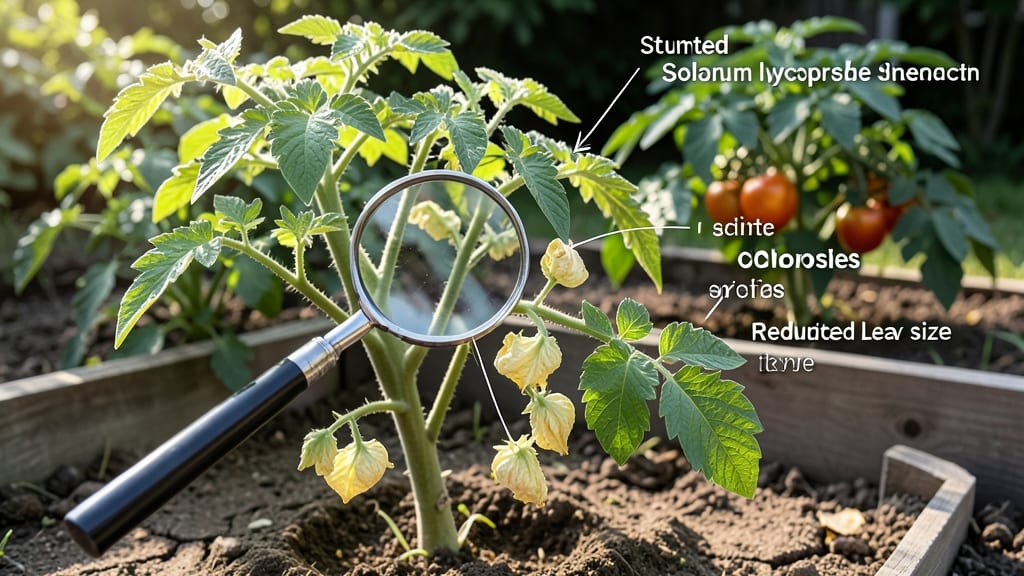
Your tomatoes are putting out tiny leaves instead of the broad, healthy foliage you planted for—this is little leaf syndrome, and it’s worse than you think. 🌱 The moment you spot those stunted, yellowing leaves, your first move should be isolation, because this phytoplasma infection spreads like wildfire through leafhoppers and other sap-sucking pests.
Here’s the hard truth: infected plants won’t recover, and even nearby healthy ones might already be compromised. The good news? Catching it early means you can yank the sick plants, trap those leafhoppers, and save your garden before the problem spirals.
I’ve seen entire tomato cages lost to this—don’t let it happen to you.
Start with a 3-step cleanup: remove every infected plant (roots and all), spray the area with neem oil to disrupt leafhopper life cycles, and monitor neighboring plants for symptoms. For severe cases, a copper-based bactericide can help break the infection cycle in the soil.
The key to prevention? Yellow sticky traps hung near your tomatoes and regular inspections during peak leafhopper season (late spring to early summer). Once you’ve dealt with the outbreak, focus on keeping your garden’s ecosystem balanced—healthy soil and diverse plantings make it harder for pests to take hold.
Root Causes Of Stunted Tomato Growth
Tomato little leaf syndrome isn’t just about small leaves—it’s a stress signal from your plants, often triggered by hidden threats. Understanding these causes helps you act fast to save your harvest. Below, we break down the three primary culprits behind this frustrating condition, with clear science and actionable insights.
The most common cause of little leaf syndrome in tomatoes is infection by the Tomato Leaf Curl Virus (ToLCV) or Tomato Yellow Leaf Curl Virus (TYLCV), both spread by whiteflies (Bemisia tabaci). Here’s how it works:
- How it spreads:
- Whiteflies feed on infected plants, then transmit the virus to healthy tomatoes via their saliva while feeding. 🦟
- The virus disrupts phytohormone balance, particularly cytokinins (hormones that regulate cell division and leaf growth), leading to stunted, curled, or tiny leaves.
- Wind, tools, and contaminated hands can also spread the virus between plants.
- What it looks like:
- Leaves become thick, upward-curled, and reduced in size (often <50% normal size).
- Yellowing veins (a hallmark of TYLCV).
- Reduced fruit set or deformed fruits (e.g., small, malformed tomatoes).
- Actionable fix:
- Remove infected plants immediately (burn or bag them—don’t compost!).
- Use reflective mulch (silver or aluminum) to deter whiteflies.
- Apply insecticidal soap or neem oil every 5–7 days to control whitefly populations.
- Plant virus-resistant varieties like ‘Heatmaster’ or ‘Solar Fire’ (check seed packets for ToLCV/TYLCV resistance).
Extreme heat, poor watering, or nutrient imbalances can mimic viral symptoms, causing physiological little leaf syndrome. Unlike viruses, these issues are reversible with the right adjustments.
- Heat stress:
- Tomatoes thrive in 60–85°F (15–29°C). Above 90°F (32°C), enzymes responsible for leaf expansion shut down, leading to small, leathery leaves.
- Solution: Provide shade cloth (30–50%) during peak afternoon heat. Mulch with straw to keep roots cool.
- Watering extremes: - Underwatering: Causes wilting and stunted growth as cells can’t expand properly. - Overwatering: Leads to root rot or nutrient dilution, weakening the plant’s ability to produce large leaves. - Solution: Water deeply 1–2 times per week (1–1.5 inches per week), ensuring soil drains well.
Use drip irrigation to avoid wetting foliage (which spreads disease).
- Nutrient deficiencies: - Nitrogen (N) deficiency: Leaves turn pale green/yellow and stay small. - Phosphorus (P) or Potassium (K) deficiency: Weakens overall plant vigor, leading to poor leaf development. - Solution: Test soil pH (ideal: 6.0–6.8) and amend with balanced fertilizer (10-10-10) or compost.
Avoid over-fertilizing with nitrogen alone.
While whiteflies are the main viral vectors, other pests can physically damage leaves, stunting growth and mimicking little leaf syndrome.
- Aphids and Spider Mites:
- These sap-suckers inject toxins while feeding, causing leaves to curl, yellow, and shrink.
- Solution: Blast plants with water to dislodge pests, or use horticultural oil (apply at dusk to avoid burning leaves).
- Root-Knot Nematodes: - Microscopic worms that penetrate roots, reducing water/nutrient uptake.
Above-ground symptoms include stunted growth and small leaves. - Solution: - Plant marigolds (nematode-repelling) nearby. - Apply beneficial nematodes (Steinernema or Heterorhabditis) to the soil. - Rotate crops (avoid planting tomatoes/solances in the same spot for 3+ years).
- Fungal Pathogens (e.g., Early Blight):
- Fungi like Alternaria solani can cause leaf spots and necrosis, forcing the plant to divert energy to new, smaller leaves.
- Solution: Remove infected leaves, space plants for airflow, and spray with copper fungicide preventatively.
Pro Tip 💡: Rule out pests/viruses first before assuming environmental stress. Conduct a whitefly check (tap leaves over a white bucket—do you see tiny white flies?) and inspect roots for nematodes (soak a root sample in water for 10 minutes to spot worms).
Fixing Stunted Tomato Growth
Once you’ve identified the root cause of your tomato plants’ stunted, twisted leaves (likely tomato little leaf syndrome), it’s time to act! The good news? Most fixes are simple, cost-effective, and involve a mix of cultural adjustments, natural remedies, and preventative care.
Below, we’ll map the most common causes to step-by-step solutions—plus pro tips to keep your plants thriving.
If your tomatoes are infected with cucumber mosaic virus (CMV) or spiroplasma, there’s no cure—but you can minimize spread and protect future plants.
🔥 Remove Infected Plants Immediately
- 🍳 Pull up and destroy any severely affected plants (don’t compost them—burn or trash them).
- 👨🍳 Check neighboring plants for symptoms (yellowing, curling, stunted growth). Isolate or remove them too.
🥘 Disinfect Tools & Soil
- ⏰ Sterilize pruners and gloves with 70% rubbing alcohol or a 10% bleach solution (1 part bleach to 9 parts water).
- 🌡️ Solarize your soil (if possible) by covering it with clear plastic for 4–6 weeks in hot weather to kill pathogens.
🎯 Prevent Future Outbreaks
- ✨ Plant disease-resistant varieties (e.g., ‘Defiant PhR,’ ‘Mountain Merit’).
- 💡 Avoid overhead watering—use drip irrigation to keep leaves dry.
- 🌿 Rotate crops—don’t plant tomatoes (or related plants like peppers/eggplants) in the same spot for 3+ years.
If your tomatoes are yellowing, wilting, or growing poorly due to nitrogen deficiency, phosphorus/potassium (P/K) imbalance, or excess salts, here’s how to fix it:
🔥 Test Your Soil First
- 📊 Grab a soil test kit (or send a sample to a local extension office) to check pH and nutrient levels.
- 💪 Ideal pH for tomatoes: 6.0–6.8.
If too high/low, amend with: - 🥗 Lime (for acidic soil) or 🍎 sulfur (for alkaline soil).
🍳 Balance Your Fertilizer
| Problem | Solution |
|---|---|
| Nitrogen deficiency | Apply balanced fertilizer (10-10-10) or compost tea. Avoid overdoing nitrogen—it causes leafy growth but few fruits. |
| Phosphorus deficiency | Use bone meal or rock phosphate for root and flower development. |
| Potassium deficiency | Feed with potassium sulfate or wood ash (sprinkle lightly around plants). |
| Excess salts | 🔥 Flush soil with 5+ gallons of water per plant to leach out buildup. |
👨🍳 Feed Smartly
- 🥘 Avoid synthetic fertilizers if your soil is already rich—over-fertilizing can burn roots.
- 🌿 Use organic amendments like worm castings, banana peels (for potassium), or eggshells (for calcium).
If heat, cold, or poor airflow are to blame, your tomatoes need better conditions to recover.
🔥 Shield from Extreme Heat
- 🌿 Provide afternoon shade with row covers or shade cloth (30–50%) during peak summer heat (90°F+).
- 💡 Mulch heavily with straw or grass clippings to keep roots cool and moist.
🍳 Protect from Cold Snaps
- 🥘 Use frost cloth if temperatures dip below 50°F at night.
- 👨🍳 Move potted tomatoes to a sheltered spot (like a greenhouse or under a porch).
✨ Improve Air Circulation
- 🌡️ Space plants 18–24 inches apart (or prune suckers to reduce crowding).
- 💡 Install a small fan on low setting near plants to prevent fungal growth (like early blight).
Once your tomatoes recover, keep them healthy long-term with these easy maintenance tips:
- 💡 Water deeply but infrequently—1–2 inches per week (avoid wetting leaves). - 🌿 Prune regularly to improve airflow and direct energy to fruit production. - 🍅 Monitor pests early—aphids and spider mites can spread viruses.
Spray with neem oil if needed. - 🌱 Start with healthy seedlings—buy from reputable nurseries or grow from disease-free seeds.
🎯 Final Pro Tip: If your tomatoes are genetically predisposed to little leaf syndrome (common in heirloom varieties), grafting onto disease-resistant rootstock (like ‘Beefmaster’ or ‘Maxifort’) can save your harvest!
With these fixes, your tomato plants should bounce back stronger—and next season, you’ll be one step ahead of stunted growth. 🍅🔥
Frequently asked questions
Can tomato little leaf syndrome spread to other plants in my garden?
Yes, it spreads quickly through infected plants and insect vectors like whiteflies. The virus can jump to peppers, eggplants, and even weeds in the nightshade family. Isolate infected plants immediately and monitor nearby crops for symptoms like yellowing veins or curled leaves.
How can I tell if my tomato plants have little leaf syndrome or just need more nutrients?
Check the leaf veins first. Little leaf syndrome causes yellowing veins (especially with TYLCV), while nutrient deficiencies show uniform yellowing between veins. Also, viral symptoms include thick, upward-curled leaves—nutrient issues rarely cause curling.
Will neem oil really help control whiteflies that spread this virus?
Yes, but it's most effective as a preventive measure. Neem oil disrupts whitefly life cycles when applied every 5–7 days during peak season. For existing outbreaks, combine it with reflective mulch to deter pests and yellow sticky traps to catch adults.
Can I save a tomato plant already showing little leaf symptoms?
No, infected plants won't recover. The phytoplasma/virus disrupts their cellular function permanently. Remove the plant completely (roots and all) and dispose of it in sealed trash. Focus on protecting nearby healthy plants with immediate pest control measures.
What's the best time of year to plant virus-resistant tomato varieties?
Start seeds indoors 6–8 weeks before your last frost date (typically March-April in most climates). Transplant seedlings outdoors after soil reaches 60°F and night temps stay above 50°F. This timing helps establish strong roots before peak whitefly season.