
Vegetables
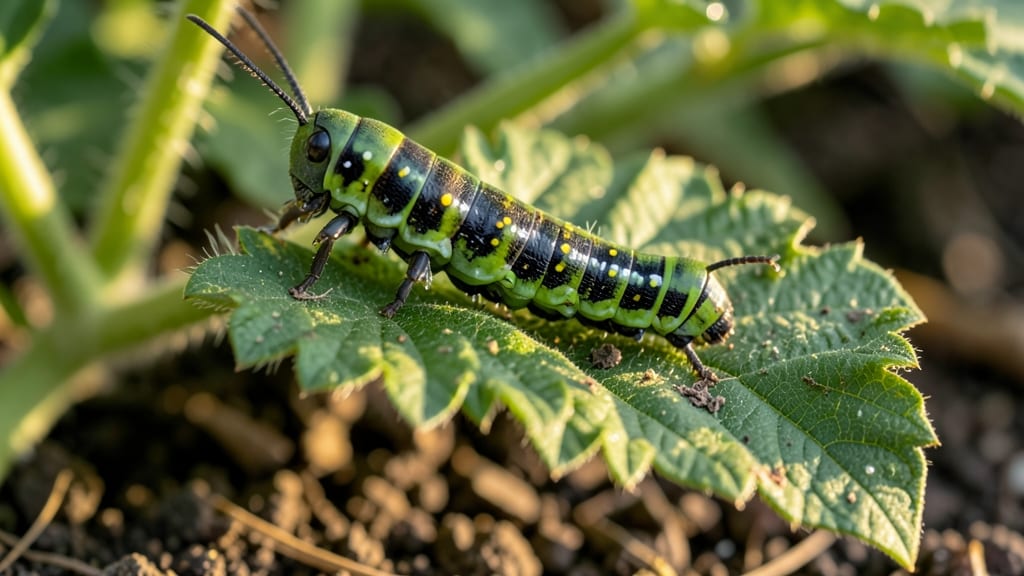
Your tomato hornworm treatment starts with a simple but critical move: the moment you spot those 4-inch green caterpillars with white stripes devouring your heirloom cherries, you’ll need a smarter plan than squishing them one by one. The good news? You don’t need chemicals to win this battle.
Handpicking at dawn (when they’re sluggish) cuts populations fast, and inviting lacewings or parasitic wasps turns your garden into a natural pest control system. My plants recovered within a week of switching to these methods.
You’ll end up with fewer skeletonized leaves and more ripe tomatoes, all while keeping your garden ecosystem balanced. The key is acting fast—before the hornworms grow too big to remove by hand. Works for backyard gardens, containers, or even balcony pots.
Here’s how to reclaim your tomato harvest without harming the environment.
Root Causes Of Tomato Hornworm Infestations
Understanding why tomato hornworms (Manduca sexta) invade your garden is the first step to stopping them. These voracious caterpillars don’t just appear out of nowhere—they’re drawn to specific conditions that make your plants an all-you-can-eat buffet.
Let’s break down the science behind their attraction and how your garden might be sending out an open invitation.
Tomato hornworms are specialized feeders, meaning they’ve evolved to thrive almost exclusively on plants from the Solanaceae family—that’s tomatoes, peppers, eggplants, and potatoes. Here’s why your garden is a magnet:
- High-Nitrogen Soil = Fast-Growing Plants (and Hornworms) - Plants grown in nitrogen-rich soil produce tender, lush foliage—exactly what hornworms crave.
These caterpillars need protein-packed leaves to fuel their rapid growth (they can grow 2 inches in a single day!). - Actionable fix: Balance your soil with a slow-release organic fertilizer (like compost or worm castings) to avoid sudden nitrogen spikes.
- Young, Unstressed Plants Are Targets
- Hornworms prefer new growth because it’s softer and easier to digest. If your tomato plants are saplings or recently pruned, they’re high-risk targets.
- Actionable fix: Monitor new shoots and prune strategically to remove vulnerable growth before hornworms arrive.
- Tomato Varieties Matter - Some tomato types (like cherry tomatoes or indeterminate varieties) produce more tender leaves, making them especially appealing.
Hornworms also love flowering plants, as they’re rich in nectar—another food source for adult moths. - Actionable fix: If hornworms are a recurring issue, try resistant varieties like ‘Mountain Merit’ or ‘Defiant PhR,’ though no tomato is 100% immune.
You might not see the tomato hornworm moths (they’re nocturnal and blend into the night), but they’re the real architects of the problem. Here’s how they set the stage:
- Moths Are Drawn to Light and Scent
- Female moths use pheromones to locate males, and both are attracted to bright lights (like porch lights) and the sweet fragrance of tomato flowers at dusk.
- Actionable fix: Use yellow bug lights (which attract fewer insects) or motion-activated lights to reduce moth traffic.
- Warm Climates = Longer Hornworm Seasons - Hornworms thrive in temperatures between 70–85°F (21–29°C).
In warmer regions, they can have multiple generations per year, leading to year-round infestations. - Actionable fix: In hot climates, plant tomatoes in partial shade during peak heat or use row covers to disrupt their life cycle.
- Overwintering Survivors
- In cooler areas, some hornworms pupate in the soil and emerge the next spring. If your garden had an infestation last year, larvae may still be lurking underground.
- Actionable fix: Till the soil in early spring (before planting) to expose and destroy overwintering pupae.
Hornworms don’t have many natural predators early in their life cycle, and if your garden lacks beneficial insects, they’ll feast unchecked. Here’s why:
- Lack of Parasitic Wasps (Their #1 Enemy) - Tiny braconid wasps lay eggs inside hornworm larvae, eventually killing them.
If your garden has few flowering plants (which attract these wasps), they won’t patrol your tomatoes. - Actionable fix: Plant dill, fennel, or marigolds nearby to attract wasps and other predators.
- Few Birds or Lizards Around?
- Hornworms are easy prey for birds, chickens, and even lizards—but if these predators aren’t visiting, the caterpillars will go unchecked.
- Actionable fix: Install birdhouses or create a small water feature to attract more wildlife.
- Monoculture Gardens Are Hornworm Havens - Planting only tomatoes (or other solanaceous plants) in a row creates a hornworm buffet zone.
Without diversity, there’s nowhere for predators to hunt. - Actionable fix: Use interplanting—grow tomatoes alongside basil, onions, or garlic, which repel hornworms and attract beneficial insects.
Hornworms are opportunistic, and certain weather patterns can tip the scales in their favor:
- Wet Springs Encourage Egg-Laying
- Female moths prefer to lay eggs on damp foliage, as it helps the eggs stay hydrated until hatching.
- Actionable fix: Avoid overhead watering and opt for drip irrigation to keep leaves dry.
- Cool Nights Slow Predators More Than Hornworms - While hornworms can tolerate cooler temps, their natural enemies (like parasitic wasps) are more sensitive to chilly nights.
This gives hornworms a temporary advantage. - Actionable fix: Use row covers at night in early spring to protect young plants until temperatures stabilize.
Sometimes, well-meaning gardening practices accidentally invite hornworms. Here’s how:
- Late Planting = Bigger, More Vulnerable Plants
- Tomatoes planted after the last frost often grow too large before predators arrive, giving hornworms a head start.
- Actionable fix: Start seeds indoors 6–8 weeks before the last frost for a stronger, earlier transplant.
- Over-Fertilizing with Nitrogen
- While nitrogen makes plants grow fast, it also makes them more attractive to hornworms. A balanced 10-10-10 or 5-5-5 fertilizer is safer.
- Actionable fix: Switch to compost tea or fish emulsion for a slower, steadier nutrient release.
- Ignoring Early Signs (Like Frass and Chewed Leaves)
- Hornworms leave behind black droppings (frass) and skeletonized leaves (only veins remain). If you spot these, it’s already too late—they’re well-established.
- Actionable fix: Do a weekly leaf inspection, especially on the undersides, where hornworms hide.
Tomato hornworms don’t invade randomly—they’re responding to specific cues in your garden. By addressing soil health, plant variety, predator habitats, and timing, you can dramatically reduce their numbers without chemicals. The good news? Once you understand their triggers, you can outsmart them before they even arrive. 🚀
Fixing Tomato Hornworm Damage Fast
Now that you know what’s chewing up your tomato plants, it’s time to take action! The good news? You don’t need nuclear-level solutions—just smart, organic tactics to evict these hungry caterpillars for good.
Below, we’ve mapped out practical fixes for common causes of tomato hornworm infestations, along with prevention tips to keep your garden safe long-term.
Fix: Handpick and Drown Them (Fastest Method) 🔥 Step 1: Scout your plants early morning or evening (when they’re sluggish). Look for:
- Green, 3–4 inch caterpillars with white stripes and a "horn" on their rear.
- Black droppings on leaves (a dead giveaway!).
- Skeletonized leaves or missing tomato blossoms.
🍳 Step 2: Grab a bucket of soapy water (1 tsp dish soap per gallon) and a pair of gloves. Wear long sleeves—these guys can sting if provoked!
👨🍳 Step 3: Pick them off gently (use tongs or a spoon if you’re squeamish). Drop them into the soapy water—they’ll drown in seconds. No mercy for plant pirates!
⏰ Step 4: Repeat daily for 3–5 days to catch new hatchlings. Pro tip: Check the undersides of leaves—that’s their favorite hiding spot!
Fix: Disrupt Their Life Cycle 🔥 Step 1: Remove egg clusters (tiny, pale green ovals on the undersides of leaves). Scrape them into soapy water or crush them between your fingers.
🌡️ Step 2: Encourage natural predators—hornworms have enemies too! Invite:
- Parasitic wasps (they lay eggs inside hornworms—ew but effective!).
- Ladybugs, lacewings, and praying mantises (they love munching on hornworm eggs).
- Chickens or ducks (if you have them, let them forage in your garden).
🎯 Step 3: Use neem oil or Bacillus thuringiensis (Bt) as a preventative spray: - Neem oil (1 tbsp per quart of water + soap) disrupts their feeding and deters egg-laying. - Bt (a natural bacteria) kills caterpillars but is safe for humans and pets.
Spray at dusk for best results.
Fix: Make Your Plants Less Appealing 🔪 Step 1: Prune damaged leaves—remove chewed foliage and destroy it (don’t compost!).
💡 Step 2: Plant companion plants that repel hornworms:
- Basil, marigolds, or dill near tomatoes.
- Nasturtiums (they trap pests away from your veggies).
- Alyssum (attracts parasitic wasps).
🌿 Step 3: Rotate crops—if you’ve had hornworms before, don’t plant tomatoes in the same spot next year. They’ll return!
✨ 1. Row Covers – Use floating row covers over young tomato plants to block moths from laying eggs.
🔥 2. Trap Crops – Plant a sacrificial basil or dill patch far from your tomatoes to lure moths away.
🌡️ 3. Healthy Soil = Strong Plants – Well-fed tomatoes resist pests better. Use compost and avoid over-fertilizing with nitrogen (it attracts more moths).
🎯 4. Early Monitoring – Check plants weekly once tomatoes start flowering. Act fast—hornworms grow fast!
- Don’t use chemical pesticides (they harm beneficial insects and can contaminate your tomatoes).
- Don’t ignore small signs—a few hornworms can turn into a full-blown invasion overnight!
- Don’t compost infested plant debris—you’ll just spread eggs.
With these targeted fixes, your tomato plants will bounce back in no time—no nuclear weapons required! 🍅💪 Now go forth and save those tomatoes before they become hornworm snacks.
Frequently asked questions
What's the best time of day to handpick tomato hornworms?
Early morning or late evening is ideal—these caterpillars are sluggish when temperatures drop. They hide during the day, so check undersides of leaves and new growth where they love to munch. A flashlight at dusk can also help spot them before they disappear.
Can I use dish soap to kill tomato hornworms?
Yes! Mix 1 teaspoon of mild dish soap with 1 gallon of water in a spray bottle. The soap disrupts their protective coating, causing them to dehydrate. Spray directly on hornworms or use the solution to drown them in a bucket. Test on a few first—some may drop off but survive if not fully submerged.
How do I know if my tomato plants have hornworm eggs?
Look for tiny green ovals (about 1/16-inch long) on the undersides of leaves, especially near new growth. Eggs are pale green when fresh and turn darker as they age. Check weekly once your tomatoes start flowering—eggs hatch in 3-5 days, so early removal is key.
Will neem oil harm my tomato plants?
No, when used correctly! Dilute 1 tablespoon of neem oil with 1 quart of water and add a drop of dish soap as a surfactant. Spray evening to avoid sunburn on leaves. Neem oil disrupts feeding and deters egg-laying, but it's not a quick kill—apply every 5-7 days during infestations.
Can companion planting really prevent hornworms?
Planting basil, marigolds, or dill near tomatoes confuses moths and attracts their natural predators. Nasturtiums act as trap crops, luring hornworms away from your main plants. For best results, interplant these companions throughout your tomato beds—not just at the edges.