
Pests
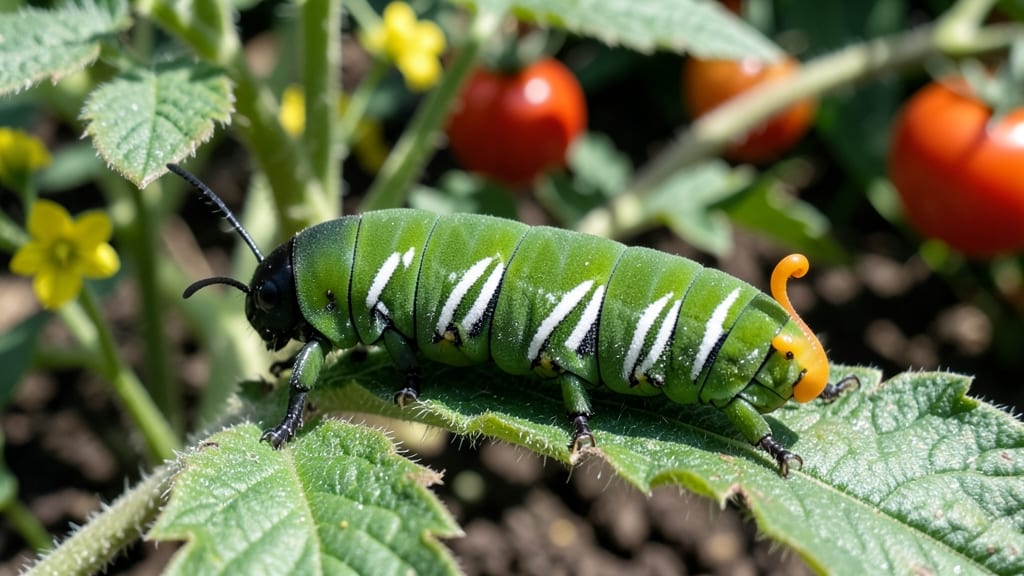
Those black-and-yellow striped tomato horn caterpillars devouring your tomatoes faster than you can say "harvest" are about to meet their match. 🌱 I’ve battled these leaf-munching monsters for years, and this organic spray barrier method has saved my plants from total destruction without a single chemical spray.
The secret isn’t complicated: a simple, homemade barrier that disrupts their feeding patterns while keeping your plants safe. You’ll need just a few household ingredients, and the process takes less than 15 minutes.
It works by creating a physical deterrent that confuses their feeding instincts, so they move on to easier snacks—like your neighbor’s basil instead. Within 24-48 hours, you’ll notice fewer holes in your leaves and more energy going into fruit production.
The best part? This method protects other vulnerable plants too, like peppers and eggplants, without harming bees or beneficial insects. Here’s how to mix it, apply it, and keep those caterpillars at bay all season long—no fancy equipment required.
📚 In This Guide
- What you need
- Instructions
- Tips and common mistakes
- Wrapping up and next steps
What you need
- ● Neem oil (100% cold-pressed, organic): 1–2 tablespoons (for a 1-gallon spray mixture)
- ● Dish soap (unscented, biodegradable): 1 teaspoon
- ● Water (distilled or filtered preferred): 1 gallon
- ● Spray bottle or garden sprayer (1–2 gallons capacity): Choose one with a fine mist nozzle for even coverage
- ● Gloves (nitrile or rubber): 1 pair (to protect your hands from irritation)
- ● Fine mesh netting (1/4-inch or smaller): Enough to cover vulnerable plants or create a physical barrier
- ● Scissors or pruning shears: For trimming netting or plants
- ○ Stakes or clips (optional for netting): To secure the barrier in place
- ● Garlic or chili pepper spray: 1–2 cloves of garlic or 1–2 tablespoons of chili powder (for added repellent power)
- ● Beeswax or kaolin clay: 1–2 tablespoons (to enhance the spray’s protective film)
- ● Labeling tags: To mark treated plants and avoid over-spraying
- ● Flashlight (for evening inspections): Tomato hornworms are nocturnal—spot them early!
Step-by-step instructions for creating an organic spray barrier against tomato hornworms
Here’s my go-to method for stopping these striped bandits before they skeletonize your tomatoes.
🌱 Step 1: Gather and Mix Your Organic Barrier Ingredients
You’ll need 1 gallon of water, 1 tablespoon of liquid dish soap (unscented, like Castile), and 2 tablespoons of horticultural oil (like neem or canola). Mix these in a spray bottle—I prefer a 16-ounce trigger sprayer for even coverage. The soap breaks the caterpillar’s protective wax coating, while the oil smothers their breathing pores. Shake well before each use, as the oil will separate.
Add 1 teaspoon of cayenne pepper for extra deterrence—this isn’t just about killing; it’s about making your plants unappealing. The capsaicin irritates their mouthparts, discouraging future visits. If you’re spraying in direct sunlight, wait until late afternoon to avoid burning foliage with the oil’s heat amplification.
💧 Step 2: Apply the Barrier at the Right Time
Spray early morning or evening when temperatures are below 85°F—heat intensifies the oil’s potency, risking leaf damage. Focus on undersides of leaves, where hornworms hide, and the main stems where they feed. Apply until lightly glistening, but avoid oversaturating—waterlogged leaves attract fungal diseases. Reapply every 3-5 days or after rain, as the barrier washes off.
Here’s the thing—I’ve found that preventive spraying (before you spot caterpillars) works better than reactive treatments. Hornworms can strip a plant bare in 24 hours, so don’t wait for visible damage. If you already have caterpillars, handpick them first (drop in soapy water) before spraying to reduce the infestation load.
☀️ Step 3: Monitor and Reinforce the Barrier
Check your plants daily for new eggs or caterpillars—hornworms lay green, football-shaped eggs on the undersides of leaves. Scrape them off with your fingernail and drop them into soapy water. The spray barrier disrupts their life cycle, but eggs hatch quickly, so vigilance is key. If you find more than 3 caterpillars per plant, increase your spray frequency to every 2-3 days.
For heavy infestations, add 1 tablespoon of diatomaceous earth to your mix—this abrasive powder dehydrates caterpillars on contact. Sprinkle it lightly on leaves (avoid stems to prevent harming beneficial insects) and reapply after rain. The combination of oil, soap, and cayenne creates a multi-layered defense that’s tough for hornworms to overcome.
✂️ Step 4: Maintain Plant Health to Boost Natural Resistance
Healthy tomatoes tolerate hornworms better—focus on balanced fertilization (too much nitrogen = tender, caterpillar-friendly leaves). I use a low-nitrogen, high-phosphorus fertilizer (like 5-10-10) to strengthen stems and leaves. Prune succulent new growth if you notice early caterpillar activity—they prefer soft, young tissue.
Encourage beneficial predators like parasitic wasps (they lay eggs inside hornworms) and ladybugs. Plant basil, dill, or marigolds nearby—their scents mask tomato foliage, making it harder for moths to locate your plants. A diverse garden ecosystem reduces reliance on sprays while keeping hornworms in check naturally.
Tips & tricks for perfect organic tomato hornworm defense
Here's what nobody tells you about making this spray work like a charm—these are the details that separate a good defense from a great one.
Shake Like You Mean It: The horticultural oil will always separate from the water, so give your spray bottle a vigorous shake for 30 seconds before each use. I've learned this the hard way—skipping this step means you're spraying a watery solution that won't stick to leaves. For extra insurance, shake again halfway through spraying a large plant. The oil needs to be fully emulsified to create that protective film on the leaves.
Timing Secret: Those 3-5 days between applications might seem like a long time, but it's crucial. Spraying too frequently can wash away beneficial microbes on your leaves, while waiting too long lets hornworms recover. I've found that every 4 days works best in most climates—just check your plants for fresh damage between sprays. The key is consistency, not frequency. Also, always spray in the early morning so the solution has time to dry before the heat of the day intensifies.
Ingredient Upgrade: While the basic recipe works, I've had the most success with neem oil instead of canola oil. Neem contains natural compounds that further disrupt caterpillar feeding patterns. If you can't find neem, canola or vegetable oil will work, but you might need to increase the application frequency to every 3 days for maximum effectiveness. The cayenne pepper is also non-negotiable—it's not just about the capsaicin, but the scent that confuses the moths looking to lay eggs.
Monitoring Hack: Instead of just looking for caterpillars, I check for their frass (the black droppings) first. Hornworms produce a lot of frass, and spotting it early gives you a head start. I also use a flashlight at dusk to inspect undersides of leaves—hornworms are nocturnal and hide well during the day. This proactive approach means I catch infestations before they become unmanageable, often saving entire plants that would have been lost.
Pro Tips for Tomato Horn Caterpillar
- Here's what nobody tells you about making this spray work like a charm—these are the details that separate a good defense from a great one.
- Shake Like You Mean It: The horticultural oil will always separate from the water, so give your spray bottle a vigorous shake for 30 seconds before each use.
- Timing Secret: Those 3-5 days between applications might seem like a long time, but it's crucial.
Frequently asked questions
Got questions about tomato horn caterpillars and how to protect your plants?
Here are some of the most common concerns—plus quick, actionable answers to keep your garden thriving.
What does a tomato horn caterpillar look like, and how can I tell it’s in my garden?
The tomato hornworm is a large, green caterpillar (up to 4 inches long) with white diagonal stripes and a distinctive "horn" at its rear. Look for stripped tomato leaves or black droppings on plants—these are key signs! Check the undersides of leaves, too, where they hide during the day.
How fast do tomato hornworms grow, and when should I expect them?
These caterpillars grow rapidly—from egg to full-sized in just 2–3 weeks! They typically appear in late spring to early summer (May–July in most regions) but can linger until fall. Early intervention is key, so start monitoring your plants before you spot damage.
Will organic sprays like neem oil or Bacillus thuringiensis (Bt) really work against them?
Yes!
Both neem oil and Bt are highly effective when applied correctly. Neem disrupts their feeding, while Bt kills them stomach-wise (safe for humans and pets). For best results, reapply every 7–10 days or after rain. Handpicking (drop in soapy water!) also helps.
My tomato plants are already heavily damaged—can I still save them?
Don’t panic! Prune damaged leaves to redirect energy to new growth, and apply organic sprays immediately. If the caterpillars are gone but the plant is struggling, fertilize with compost tea to boost recovery. For severe cases, consider replacing the most affected branches—your plant can often bounce back!
Are there any natural predators that can help control tomato hornworms?
Absolutely!
Birds, parasitic wasps (like Cotesia congregata), and ladybugs love munching on them. To attract predators, plant companion flowers (like dill or marigolds) nearby and avoid broad-spectrum pesticides that harm beneficial insects.
Wrapping up and next steps
Dealing with tomato horn caterpillars doesn’t have to be a nightmare—especially when you’ve got an effective, organic solution like the spray barrier method! By using simple household ingredients, you’re not only protecting your plants but also avoiding harsh chemicals that could harm your garden’s ecosystem. 🌱
Ready to take action? Start by gathering your supplies and testing the spray on a small area first. With a little patience and consistency, you’ll see those pesky caterpillars retreat, leaving your tomatoes thriving. Happy gardening! 🌿