
Vegetables
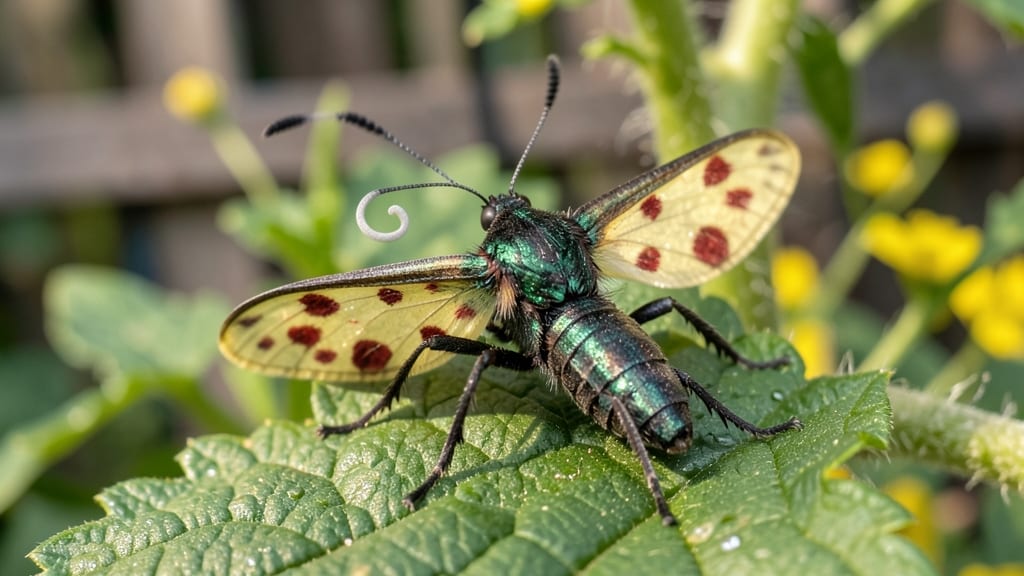
That green caterpillar devouring your tomatoes isn’t a worm—it’s a tomato hawk moth larva, and it’s a garden’s worst nightmare. 🌱 I’ve watched these striped bandits strip plants bare in just hours, leaving behind skeletonized leaves and chewed fruit.
The good news? You can outsmart them with the right identification and early action.
These caterpillars start as tiny eggs laid on leaves, then grow into inch-long green monsters with yellow stripes. Look for chewed leaves, frass (black droppings), and missing fruit—those are your warning signs.
The moths themselves are beautiful, but their larvae? Pure chaos. The key is catching them early before they multiply.
You’ll protect your tomatoes with organic sprays like neem oil or Bacillus thuringiensis, handpicking larvae (gross but effective), or using row covers before eggs hatch. Companion plants like basil and marigolds can deter them too. With these methods, you’ll save your harvest without chemicals.
Works for home gardens, raised beds, and even container tomatoes. The secret is vigilance—check plants daily during warm months, and you’ll keep your tomatoes thriving all season.
The Hidden Triggers Attracting Them
The tomato hawk moth (also known as the Manduca sexta) isn’t just a pretty pollinator—it’s a garden’s stealthy visitor with a specific menu and behavior. Understanding why these moths show up in your garden is the first step to managing their presence without harming them (or your plants).
Here’s why they’re drawn to your space—and what you can do about it.
The tomato hawk moth’s name is no coincidence—tomatoes are their primary food source. Adult moths don’t eat, but their caterpillars (often called "tomato hornworms") are voracious leaf-munchers. Here’s why your tomato plants are a magnet:
- Volatile organic compounds (VOCs): Tomato leaves release chemical signals when damaged, which moths detect from miles away. A single chewed leaf can trigger a feeding frenzy.
- Nutrient-rich foliage: Tomato plants are packed with proteins and sugars that caterpillars crave, making them an all-you-can-eat buffet.
- Scent trails: Once one caterpillar starts feeding, it leaves pheromone-like signals that attract others—turning your garden into a caterpillar hotspot.
Actionable fix: Monitor tomato plants daily for early signs of damage (frass, or black droppings, is a red flag). Remove heavily infested leaves immediately to break the scent trail.
Adult tomato hawk moths are nocturnal and are naturally drawn to artificial lights at night. Here’s the science behind it:
- Light confusion: Moths navigate using the moon’s light, but artificial lights disorient them, causing them to circle and exhaust themselves.
- Heat attraction: Bug zappers and bright LEDs emit heat, mimicking the warmth of flowers or other insects—an unintentional dinner bell for moths.
- Pollinator misdirection: Some moths mistake lights for flowers, especially if your garden lacks natural night bloomers like evening primrose or moonflower.
Actionable fix:
- Switch to yellow or red LED bulbs (moths are less attracted to these wavelengths).
- Use timers or motion sensors to limit outdoor lighting after dusk.
- Plant night-blooming flowers near lights to redirect moths away from your veggies.
Tomato hawk moths and their caterpillars thrive in dense, unkempt gardens. Here’s why cluttered spaces invite them:
- Natural camouflage: Caterpillaries blend into leaf litter, stems, and weeds, making them harder for birds and predators to spot.
- Moisture retention: Overgrown areas trap humidity, creating ideal conditions for egg-laying (female moths prefer damp soil near host plants).
- Alternative host plants: Weeds like datura, petunias, or tobacco can serve as backup meals, increasing their population near your tomatoes.
Actionable fix:
- Keep garden beds tidy and well-spaced to reduce hiding spots.
- Remove volunteer nightshades (like wild tomatoes or potatoes) that moths might mistake for food.
- Use row covers over young tomato plants to block egg-laying females.
Tomato hawk moths have few natural enemies, but their populations can explode when predators like birds, parasitic wasps, and spiders are scarce. Here’s why:
- Pesticide overuse: Broad-spectrum insecticides kill beneficial insects (like ladybugs and lacewings) that would otherwise prey on caterpillar eggs.
- Urbanization: Fewer songbirds and bats remain in suburban gardens due to habitat loss, leaving moths unchecked.
- Monoculture gardens: Planting only tomatoes creates a caterpillar paradise with no diversity to attract predator species.
Actionable fix:
- Introduce predator-friendly plants like dill, fennel, or marigolds to attract parasitic wasps.
- Avoid neonicotinoids and opt for Bt (Bacillus thuringiensis) or soapy water sprays to target only caterpillars.
- Install birdhouses or bat boxes to encourage natural pest control.
By addressing these triggers, you can reduce tomato hawk moth activity without eliminating them entirely—because let’s face it, they’re also keystone pollinators for your garden’s night-blooming flowers. Balance is key!
Quick Fixes for Garden Invaders
Dealing with unexpected visitors in your garden—especially ones as striking as the tomato hawk moth—can feel like a challenge, but don’t worry! With the right approach, you can protect your plants, lure these moths away (or keep them around if they’re beneficial), and prevent future disruptions.
Below, we’ll break down practical, step-by-step solutions tailored to common issues caused by these moths, from pest control to habitat management.
Tomato hawk moth caterpillars (hornworms) can devour leaves and fruit in no time. Here’s how to minimize damage without harming beneficial insects:
🔥 Handpick and Remove Caterpillars
- When: Early morning or late evening (when they’re sluggish).
- How: Wear gloves and inspect leaves daily. Drop caterpillars into soapy water to kill them instantly.
- Pro Tip: 💡 Check the undersides of leaves—they love to hide there!
🍳 Use Natural Predators
Encourage birds, parasitic wasps, and ladybugs to do the work for you:
- Install birdhouses or bat boxes near your garden.
- Plant dill, fennel, or parsley to attract parasitic wasps (their natural enemies).
- Avoid pesticides—they kill both pests and beneficial insects.
🥘 Apply Organic Sprays (Sparingly)
If infestations are severe, try these low-toxicity options:
- Neem oil spray (disrupts feeding and growth).
- Bacillus thuringiensis (Bt)—a bacteria that targets caterpillars only.
- Spinosad (derived from soil bacteria, safe for most plants).
⚠️ Warning: Always test sprays on a small plant area first to avoid harming non-target species.
Tomato hawk moths are pollinators! If you’re growing tomatoes, peppers, or petunias, you might want to encourage them:
👨🍳 Plant Their Favorite Flowers
- Evening primrose, moonflower, or petunias attract adult moths.
- Dill and parsley draw in caterpillars (but monitor closely to avoid overpopulation).
- Avoid broad-spectrum pesticides—they’ll keep moths (and their predators) away.
🌡️ Create a Moth-Friendly Habitat
- Leave some wild patches of weeds or native plants nearby.
- Add a small water source (like a shallow dish with pebbles) for adult moths.
- Timing matters: Plant flowers that bloom evening to night (their active hours).
Stop problems before they start with these long-term strategies:
| Problem | Solution | When to Do It |
|---|---|---|
| Caterpillar outbreaks | Plant basil near tomatoes (repels hornworms). | At planting time. |
| Adult moths drawn in | Use yellow sticky traps (they’re attracted to light). | Early spring, before blooms. |
| Pest buildup | Rotate crops yearly to disrupt life cycles. | Annual garden planning. |
| Attracting beneficials | Install native bee houses and toad habitats. | Early spring setup. |
🎯 Golden Rule: Monitor regularly! A few minutes of inspection each week can save your garden from a full-blown infestation.
If your garden is overrun despite your best efforts:
- Contact a local extension service for region-specific advice.
- Consider professional organic pest control for severe cases.
- Last resort: Use pyrethrin-based sprays (only if absolutely necessary—they’re toxic to all insects).
Remember: Tomato hawk moths aren’t all bad—they’re pollinators and a food source for birds. The key is balance—protect your plants without wiping out the ecosystem. With these strategies, you’ll keep your garden thriving and the moths (or their predators) happy! 🌱🐞
Frequently asked questions
Why do tomato hawk moth caterpillars leave black droppings on my plants?
Those black droppings are called frass, and they’re a dead giveaway that caterpillars are munching away. The caterpillars produce frass as waste from eating your tomato leaves, and it’s often found in piles near feeding sites. Check for chewed leaves and frass daily—this helps you catch infestations early before they spiral out of control.
Are tomato hawk moths harmful to my garden?
It depends! While their caterpillars can strip tomato plants bare, adult moths are keystone pollinators for night-blooming flowers like petunias and moonflowers. The key is balance—use organic controls to manage caterpillars while preserving the moths’ role in your ecosystem. Most gardeners focus on protecting tomato plants without eliminating the moths entirely.
What’s the fastest way to get rid of tomato hawk moth caterpillars?
Handpicking remains the quickest method: Check leaves daily (especially undersides) and drop caterpillars into soapy water. For larger infestations, apply Bacillus thuringiensis (Bt)—it kills caterpillars within 48 hours without harming other insects. Spray in the evening when bees are less active for best results.
Can I use neem oil on tomato plants to stop caterpillars?
Yes, but with caution! Neem oil disrupts caterpillars’ feeding and growth cycles, but it must be reapplied every 5-7 days and sprayed directly on leaves. Avoid applying during hot sun or flowering (it can harm pollinators). Test on a small area first—some tomato varieties may show slight leaf yellowing.
Why do tomato hawk moths keep coming back every year?
These moths have a short life cycle—one generation can produce 3-4 more in a season. Their eggs overwinter in leaf litter, and adult moths are drawn to your garden by tomato plant scents. To break the cycle, remove all plant debris in fall, use row covers early in spring, and plant basil or marigolds near tomatoes to repel them.