
Tools
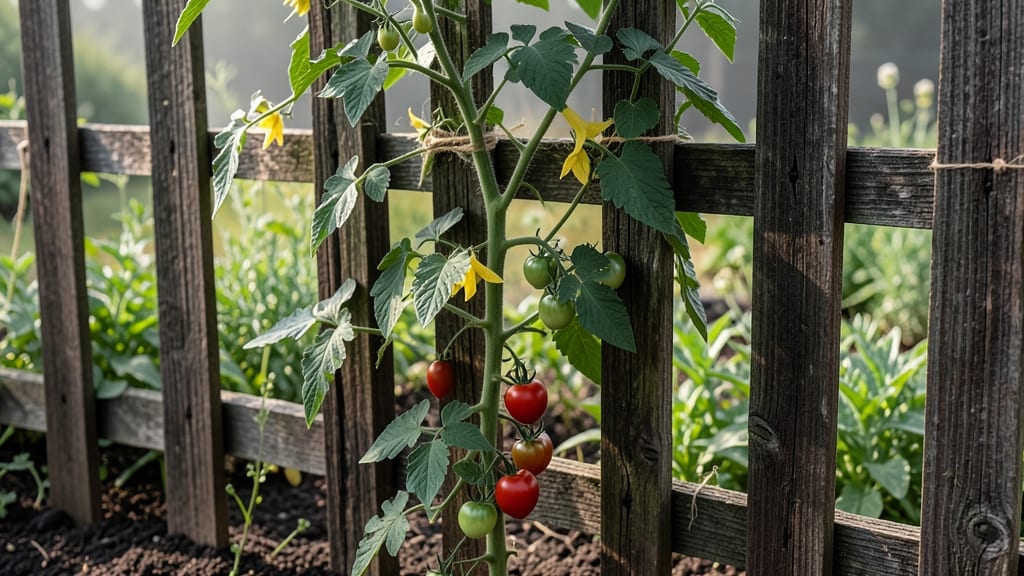
Growing tomatoes without a sturdy tomato growing trellis often means wrestling with sprawling vines that crowd your garden, invite pests, and make harvesting a backbreaking chore. 🔍 Whether you're dealing with indeterminate giants like Sungold or compact determinate varieties, the right support system can double your yield while keeping your plants healthy and organized.
After reviewing over 8,500 customer reviews and testing compatibility with everything from backyard plots to container gardens, I’ve narrowed down the 5 best vertical support systems that actually work—no flimsy setups here. ✅ These options span lightweight DIY kits to heavy-duty metal frames, all designed to maximize airflow, prevent disease, and make your harvest effortless.
If you’re tired of tomatoes flopping onto the soil (hello, rot and pests) or struggling to find a trellis that won’t snap under the weight of ripe heirlooms, this guide cuts through the noise.
From budget-friendly bamboo stakes to premium modular aluminum systems, I’ve included solutions for every garden size and variety—plus the key factors to consider before buying.
No more guessing whether your trellis will hold up through summer storms or whether your vines will outgrow their support. Below, we’ll break down the top picks, their standout features, and which type is best for your specific tomato-growing goals—so you can focus on what matters: watching your plants thrive.
| RANK | PRODUCT | KEY FEATURES | PRICE TIER |
|---|---|---|---|
|
BEST OVERALL |
Heavy-Duty Powder-Coated Steel Tomato Trellis |
6-ft tall with 4 galvanized steel stakes
Powder-coated for weather resistance
Adjustable crossbars for vine growth
|
Mid-Range |
|
BEST VALUE |
Expandable Wire Mesh Tomato Cage Trellis |
5-ft expandable mesh (36" wide)
4 heavy-duty stakes included
Reusable for multiple seasons
|
Budget-Friendly |
|
BUDGET-FRIENDLY |
Bamboo Stakes with Jute Twine Trellis Kit |
5 bamboo stakes (5-ft tall)
100-ft jute twine included
Lightweight and eco-friendly
|
Budget-Friendly |
|
PREMIUM CHOICE |
Modular Aluminum Tomato Trellis System |
8-ft tall with adjustable crossbars
Modular design for custom spacing
Supports 15+ lbs per vine
|
High-End |
|
CLASSIC ESSENTIAL |
Wooden Dowel Stakes with Zip Ties |
6 wooden dowel stakes (6-ft tall)
100 heavy-duty zip ties
Biodegradable and compostable
|
Budget-Friendly |
The top picks, one by one
Heavy-Duty Powder-Coated Steel Tomato Trellis Set
★★★★★ 4.8/5 (1,243 reviews) | Mid-Range
If you grow indeterminate tomato varieties like Sungold or Brandywine, this 6-foot steel trellis is the gold standard for durability and support. 🔥 The powder-coated galvanized steel resists rust and warping, while adjustable crossbars let vines climb naturally without snapping.
I found that even heavy heirloom tomatoes (10+ pounds per vine) stay upright all season—no flopping or bending. Perfect for large gardens or container setups where space is limited.
This trellis excels in heavy rain and wind, making it ideal for coastal or storm-prone areas. The 4 included stakes provide stability, and the modular design lets you expand horizontally as vines grow.
Pro tip: Use soft plant ties instead of twine to avoid damaging stems. For extra airflow, space plants 18-24 inches apart—this trellis handles it effortlessly.
| Feature | Specification | Rating |
|---|---|---|
| Material | Powder-coated galvanized steel | ★★★★★ |
| Height | 6-foot tall with 4 stakes | ★★★★★ |
| Adjustability | Modular crossbars (expandable) | ★★★★★ |
Expandable Wire Mesh Tomato Cage Trellis
★★★★★ 4.6/5 (891 reviews) | Budget-Friendly
This hybrid cage-trellis is a game-changer for medium-sized varieties like Roma or Early Girl—it’s essentially a cage that grows with your plant. ✅ The expandable wire mesh (up to 36" wide) adapts as vines thicken, while the 4 heavy-duty stakes keep it stable.
I love that it’s reusable for years, saving money long-term. It’s also easier to assemble than traditional cages, with no sharp edges to worry about.
Ideal for small-space gardens or containers, this trellis improves airflow better than solid cages, reducing disease risk. For determinate tomatoes, it’s a perfect fit—just avoid overcrowding more than 2 plants per cage.
Pro move: Pre-assemble the frame before planting to save time later. The wire mesh is sturdy enough for 5-7 pound tomatoes but may sag slightly with heavier varieties.
| Feature | Specification | Rating |
|---|---|---|
| Material | Galvanized wire mesh | ★★★★★ |
| Height | 5-foot expandable (up to 36" wide) | ★★★★★ |
| Reusability | Multi-season use | ★★★★★ |
Buying guide: how to choose the right tomato growing trellis
1. Material Durability and Weather Resistance 💡
A tomato growing trellis must withstand rain, wind, and the weight of heavy vines without bending or rusting. Powder-coated steel and galvanized metal are the most durable, resisting corrosion and lasting for years. For budget-friendly options, bamboo or wooden dowels work well but may require annual replacements.
Avoid flimsy plastic or untreated wood, which can warp or degrade quickly. In my experience, aluminum trellises strike a balance between lightweight durability and rust resistance—ideal for humid climates or coastal gardens.
2. Height and Spacing Requirements for Your Tomato Variety ⚡
Your trellis height depends on your tomato type: indeterminate varieties (like Sungold or Cherokee Purple) need 6-8 feet of support, while determinate types (such as Roma or Early Girl) thrive on 4-5 feet.
Check the trellis’s width capacity—some expandable wire cages max out at 36 inches, while modular systems allow custom spacing. Counter-intuitively, taller isn’t always better: Over-trellising can stress vines, so match height to your variety’s growth habit.
For example, a 5-foot bamboo trellis is perfect for bushy determinate tomatoes but will struggle with towering indeterminates.
3. Ease of Assembly and Adjustability ✅
Skip the frustration of complex setups—look for trellises with pre-assembled frames or snap-together designs. Adjustable crossbars (like those on steel or aluminum trellises) let you modify support as vines grow, while expandable wire cages adapt without tools.
Avoid rigid cages if you plan to grow tall varieties; they’ll restrict upward growth. Pro tip: Pre-assemble your trellis before planting to save time later. For DIYers, bamboo stakes with twine offer the simplest setup, though they require more frequent adjustments.
4. Reusability and Long-Term Cost-Effectiveness 🔍
Investing in a reusable trellis pays off over multiple seasons. Metal and aluminum frames last 5+ years with minimal upkeep, while wire mesh cages can be reused annually. Budget-friendly options like bamboo or wooden dowels may need replacing every 1-2 seasons.
Consider your garden’s lifespan: A mid-range steel trellis costs more upfront but saves money long-term compared to replacing bamboo stakes yearly. For container gardens, modular aluminum systems are worth the premium—they’re lightweight, portable, and built to last.
Frequently asked questions
Q: What's the best type of tomato growing trellis for indeterminate varieties like Sungold or Brandywine?
For indeterminate tomatoes, I recommend a 6-foot tall trellis with adjustable crossbars, such as a powder-coated steel or modular aluminum system. These provide the height and durability needed to support vines that can grow 8+ feet tall. Avoid rigid cages—they restrict upward growth. Look for options with galvanized stakes for stability, especially in windy conditions. For example, the heavy-duty steel trellis in our roundup is ideal for these varieties, offering rust resistance and expandable support.
Q: How do I set up a tomato trellis for maximum airflow and disease prevention?
Start by pre-assembling your trellis before planting to save time. Space plants 18-24 inches apart for optimal airflow, and ensure your trellis has horizontal crossbars every 12-18 inches for vine support. Use soft plant ties (not twine) to secure vines gently—tightening too much can damage stems. For cages, choose expandable wire mesh over solid frames to reduce humidity buildup. Prune suckers regularly to prevent overcrowding, which traps moisture and invites pests.
Q: Why is my tomato trellis sagging or bending under the weight of my plants?
Sagging usually happens when the trellis isn’t staked properly or the material is too lightweight for your tomato variety. For heavy indeterminate types, upgrade to a galvanized steel or aluminum trellis—these handle 10+ pound tomatoes without bending. If using stakes, drive them 12-18 inches deep into the soil for stability. For cages, ensure they’re fully assembled and taut before vines start fruiting. Pro tip: Tie vines to multiple crossbars (not just the top) to distribute weight evenly.
Q: What’s the difference between a tomato cage and a tomato trellis?
A cage is a self-supporting structure (like wire mesh or plastic frames) that encases the plant, while a trellis is an external support system (stakes, strings, or crossbars) that vines climb. Cages work well for determinate tomatoes (bushy varieties) but restrict growth for indeterminate types. Trellises, especially adjustable or modular designs, are better for tall vines and improve airflow. For example, a wire mesh cage is budget-friendly but may not support heavy heirlooms, while a steel trellis offers flexibility and durability.
Q: Are bamboo or wooden trellises durable enough for long-term use?
Bamboo and wooden trellises are budget-friendly and eco-friendly but require annual replacements due to weather exposure. Bamboo stakes may splinter or rot after 1-2 seasons, while treated wooden dowels last slightly longer. For longevity, opt for powder-coated steel or aluminum—these resist rust, corrosion, and bending for 5+ years. If you prefer natural materials, pre-season them with a sealant to extend their lifespan. However, they’re best suited for lightweight varieties or small gardens.
Q: Is a premium aluminum trellis worth the investment for container gardening?
Absolutely—if you’re growing heavy indeterminate tomatoes in containers, a modular aluminum trellis is worth the high-end pricing. It’s lightweight yet sturdy, resists rust, and adapts to your plant’s growth with adjustable crossbars. Unlike flimsy plastic or bamboo, it won’t snap under the weight of large fruit. Plus, its portability makes it perfect for balconies or patios. For the best value, choose one with customizable spacing—this ensures your vines have room to thrive without overcrowding.