
Vegetables
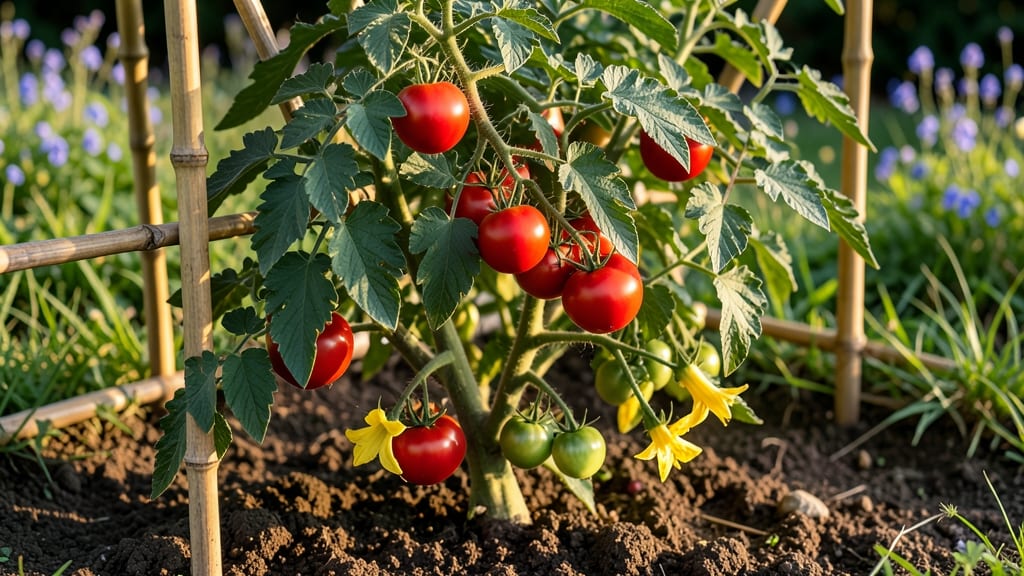
Growing a Big Daddy hybrid tomato that stretches toward the sky isn’t just possible—it’s a thrilling challenge that rewards patience with 12-foot vines heavy with beefsteak-sized fruit. 🌱 I’ve wrestled with this variety through blistering summers and late-season rains, and I’m here to share the exact techniques that turned my first puny 4-foot plant into a monster vine producing tomatoes the size of dinner plates.
The secret isn’t just in the soil or water—it’s in the right support system and knowing when to let those vines climb. Unlike smaller varieties, Big Daddy needs stronger cages or trellises (think 6-8 feet tall) and consistent pruning to direct energy upward.
Most gardeners give up after the first 5 feet, but that’s where the real harvest begins—June through October, if you play your cards right.
What you’ll end up with is a sun-dappled corner of your garden transformed into a fruit factory, where neighbors stop to ask if you’re selling. The tomatoes? Deep red, meaty, and bursting with flavor—the kind that make pasta sauce taste like a memory.
But here’s the catch: this beast demands space, commitment, and a few tricks to avoid common pitfalls like blossom-end rot or weak stems.
Start with well-draining soil mixed with compost (think 6-1-1 ratio of soil, compost, and perlite), and stake your plants early—before those vines get too heavy.
Water at the base deeply 2-3 times a week, never letting the soil dry out completely, and fertilize every 3-4 weeks with a balanced 10-10-10 mix. The biggest mistake? Letting those vines sprawl uncontrolled—prune aggressively to encourage upward growth and remove suckers that drain energy.
Once you’ve mastered the basics, the real fun begins: harvesting 10-pound tomatoes that feed a family for weeks. Pair your Big Daddy with basil, onions, or marigolds to deter pests, and give it at least 3 feet of space between plants.
The payoff? A garden centerpiece that turns heads—and stomachs—every summer.
📚 In This Guide
- What you need
- Instructions
- Tips and common mistakes
- Wrapping up and next steps
What you need
- ● Tomato Seeds or Seedlings: 1–2 Big Daddy Hybrid plants (start indoors 6–8 weeks before last frost or buy sturdy seedlings).
- ● Containers or Raised Beds: 5-gallon fabric pots (2–3 per plant) or
- ● Raised beds (minimum 12" deep, 24" wide).
- ● High-Quality Potting Mix: 10–15 lbs (sterile, well-draining mix with compost).
- ● Fertilizer: Balanced organic fertilizer (10-10-10) or
- ● Tomato-specific fertilizer (high in potassium/phosphorus).
- ● Support System: Sturdy cages (5–6 ft tall) or
- ● Trellis/bamboo stakes (8+ ft for giant varieties).
- ● Mulch: Straw or black plastic (to retain moisture and suppress weeds).
- ● Watering Can or Drip Irrigation: (Consistent moisture = happy tomatoes!).
- ● Pruning Shears: Sharp, clean pair for trimming suckers.
- ● Gloves & Sunscreen: (Trust us, you’ll thank us later!).
- ○ pH Test Kit: (Optional but helpful—aim for 6.0–6.8).
- ● Shade Cloth (30–50%): (For seedlings or hot climates).
- ● Grow Lights or Sunlight: 6+ hours of direct sun daily (or LED grow lights for seedlings).
- ● Weather Check: Warm season (60–90°F) and frost-free zone (USDA 5+).
Step-by-step instructions for growing tomato Big Daddy Hybrid
Here's how to coax those massive 12-foot vines into producing fruit the size of softballs—with my battle-tested tweaks.
🌱 Step 1: Start Seeds Early With Heat and Light
Begin seeds indoors 8-10 weeks before your last frost date—Big Daddy needs a long growing season to reach its full potential. Use a seed-starting mix (not garden soil) and plant ¼ inch deep, two seeds per cell to ensure germination. I swear by a heat mat set to 75-85°F—this variety germinates best with bottom heat, and you'll see sprouts in 5-7 days instead of the usual 10.
Once seedlings emerge, remove the weaker of the two and place them under grow lights (14-16 hours daily). Without sufficient light, Big Daddy seedlings stretch leggily and never recover. You'll know your setup is right when seedlings develop thick stems and dark green leaves within 2 weeks.
☀️ Step 2: Transplant to Large, Sturdy Containers
Big Daddy's massive root system demands 5-gallon containers or deeper—never plant directly in the ground unless you have deep, loose soil. I use black plastic pots because they absorb heat, which this variety loves. Fill with a mix of 60% potting soil, 30% compost, and 10% perlite for drainage.
Transplant when seedlings have 4-5 true leaves and the soil is warm (60°F+). Bury the stem halfway up to encourage strong root growth. The first few days after transplanting, watch for wilting—this is normal as roots adjust. Water deeply at the base, avoiding the leaves to prevent disease.
✂️ Step 3: Prune and Train for Maximum Growth
Big Daddy needs aggressive pruning to direct energy into fruit production. Remove all suckers (side shoots) that form in the leaf axils—these compete with fruit development. I prune weekly during the growing season, always cutting just above the leaf joint with sterilized pruners. This variety also benefits from topping when it reaches 6-7 feet—pinch off the main stem to encourage bushier growth.
Use a strong trellis or cage (at least 8 feet tall) to support the vines. Tie stems gently with soft plant ties every 12 inches—Big Daddy's weight can snap weaker supports. You'll see the first flower clusters appear 6-8 weeks after transplanting, and these will develop into giant fruit if pollinated properly.
💧 Step 4: Feed and Water for Giant Fruit
Big Daddy's massive fruit demand heavy feeding. Start with a balanced fertilizer (10-10-10) at transplanting, then switch to a low-nitrogen, high-phosphorus formula (5-10-10) when flowers appear. I mix 1 tablespoon of compost tea into the water every 2 weeks to boost microbial activity in the soil.
Water deeply 2-3 times per week, ensuring the top 6 inches of soil stay moist but not soggy. Big Daddy's roots run deep, so drip irrigation is ideal—it delivers water directly to the root zone without wetting the leaves. You'll know your watering is right when the soil feels damp 2 inches down but not waterlogged.
🍅 Step 5: Harvest and Extend the Season
Big Daddy's fruit can reach 2 pounds each—harvest when the shoulder turns from green to pink, even if the rest of the fruit is still green. Twist gently to avoid damaging the vine. I've found that succession planting (starting new seeds every 2 weeks) extends the harvest window—this variety ripens slowly, so a staggered approach ensures fruit all season.
To protect fruit from cracking (a common issue with giant tomatoes), mulch heavily with straw to keep soil moisture even. If frost threatens, cover plants with frost cloth or move containers to a garage or shed for 2-3 weeks—Big Daddy can keep producing indoors under grow lights.
Tips & tricks for growing monster tomatoes
Growing a Big Daddy tomato isn't just about patience—it's about precision. These battle-tested tricks will help you avoid common pitfalls and maximize your harvest potential.
Germination Strategy: The 75-85°F heat mat isn't just helpful—it's essential. I've seen Big Daddy seeds take 10 days to sprout without it, but with bottom heat, they emerge in 5-7 days. Pro tip: Place a humidity dome over your seed tray during germination to maintain moisture levels at 80-90%. This creates the perfect tropical environment for those stubborn seeds to crack open.
Lighting Secret: Those 14-16 hours of grow lights aren't arbitrary—they mimic summer daylight perfectly. If you notice your seedlings stretching toward the light (a condition called legginess), you're either not providing enough light or the lights are too far away. Keep them within 2-4 inches of the seedlings and adjust as they grow. I use LED grow lights because they're energy-efficient and produce less heat than traditional bulbs.
Container Selection: Don't skimp on container size—Big Daddy's roots will seek out every inch of space available. I've had success with 7-gallon fabric grow bags that allow for excellent root expansion while preventing waterlogging. The black plastic pots mentioned work too, but add a reflective surface underneath to bounce more heat onto the roots during cooler days.
Pruning Precision: When you're removing those suckers weekly, always cut at a 45-degree angle just above the leaf joint. This prevents water from pooling where the sucker was attached, which can lead to rot. I sterilize my pruners with rubbing alcohol between cuts to prevent disease transmission—a small step that makes a huge difference in plant health.
Pro Tips for Tomato Big Daddy Hybrid
- Growing a Big Daddy tomato isn't just about patience—it's about precision.
- Germination Strategy: The 75-85°F heat mat isn't just helpful—it's essential.
- Lighting Secret: Those 14-16 hours of grow lights aren't arbitrary—they mimic summer daylight perfectly.
Frequently asked questions
Got questions about growing the Tomato Big Daddy Hybrid? You’re not alone! This massive heirloom can reach up to 12 feet tall and produce 10-pound fruits—but it needs the right care. Below, we tackle the most common concerns to help you grow like a pro.
How long does it take for Big Daddy tomatoes to produce fruit?
The Big Daddy Hybrid typically takes 70–85 days from transplant to first harvest, depending on your climate. In warm regions, expect fruit as early as 60 days if started indoors early. Patience is key—these giants need time to establish strong vines before heavy fruiting. Pro tip: Use a heat mat for seedlings to speed up early growth!
What’s the best temperature range for growing Big Daddy tomatoes?
This hybrid thrives in 70–85°F (21–29°C) day temperatures and 60–70°F (15–21°C) nights. Below 50°F (10°C), growth slows, and flowers may drop. If you’re in a cooler zone, opt for black plastic mulch or a low tunnel to retain heat. Bonus: Morning sun + afternoon shade in extreme heat prevents sunscald!
Can I grow Big Daddy tomatoes in containers? What size pot do I need?
Yes! But these monsters need space. Use a 5-gallon minimum (bigger = better) with 18"+ depth and 24"+ diameter for one plant. Add compost + tomato-specific fertilizer and a sturdy trellis. Containers dry out faster—water deeply 2–3x/week and use moisture-retentive soil.
Why are my Big Daddy tomato leaves turning yellow?
Yellow leaves usually signal overwatering, nutrient deficiency, or disease. Check the roots—if soggy, reduce watering. For nitrogen deficiency, feed with fish emulsion. Early blight (brown spots) or septoria leaf spot (yellow halos) may be culprits. Fix it: Prune infected leaves, space plants for airflow, and spray neem oil preventatively.
Are Big Daddy tomatoes better than other giant varieties like Cherokee Purple?
It depends on your goals! Big Daddy prioritizes size (10+ lbs) and disease resistance, while Cherokee Purple focuses on flavor and color. Big Daddy’s determinate growth (bushier) makes it easier to trellis, but Cherokee Purple’s indeterminate vines climb higher. Try both if space allows—diversity = insurance against pests!
Wrapping up and next steps
The Tomato Big Daddy Hybrid isn’t just a plant—it’s a monster in the best way, capable of yielding 12-foot vines and gargantuan fruit with the right care.
Whether you’re a seasoned gardener or a curious beginner, this variety proves that bigger isn’t just possible—it’s rewarding with patience, space, and a few key tricks. 🌱
Now that you’re armed with growing secrets, FAQs, and pro tips, it’s time to roll up your sleeves!
Start with a sturdy trellis, nourish those roots, and watch your Big Daddy tomatoes reach for the sky. Ready to harvest the giant of your garden? Grab your gloves and let’s grow something legendary! 🍅✨