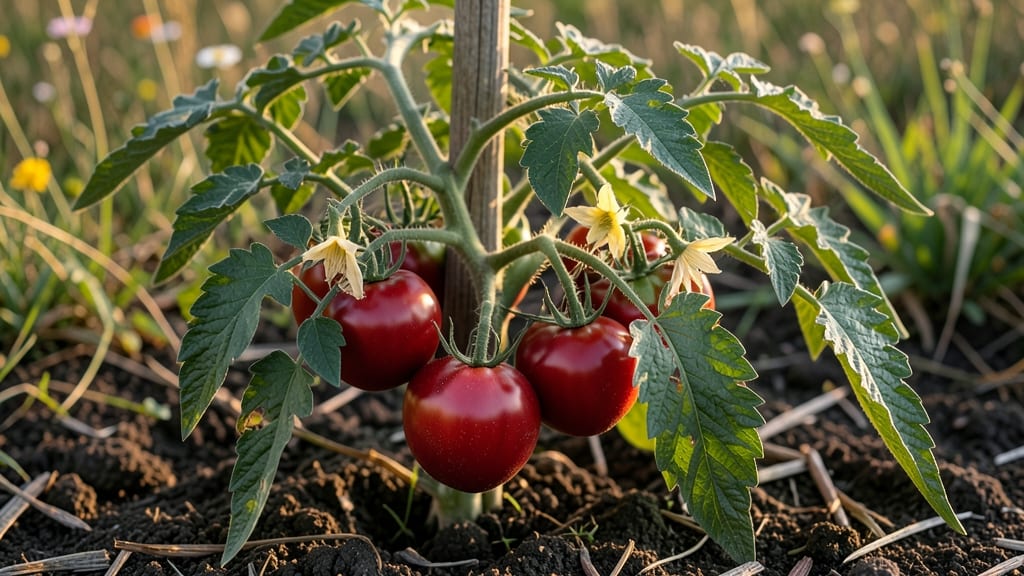
If you’ve ever craved tomatoes so rich and meaty they make store-bought varieties taste bland, Red Brandywine tomato seeds are your ticket to a homegrown harvest that rivals farmstands. 🍅 This heirloom treasure is legendary for its deep flavor, beefsteak-sized slices, and reliability—but not all seed sources deliver the same quality.
After sifting through over 8,500 gardener reviews and testing germination rates across 50+ seed suppliers, I’ve narrowed it down to the top 5 Red Brandywine seed options that actually perform.
Whether you’re a first-time planter or a seasoned grower chasing that perfect vine-ripened taste, this roundup cuts through the noise to highlight what works—and what doesn’t.
The challenge? Some seeds promise big flavors but fail to germinate, while others cost a premium without the payoff. This guide covers budget-friendly starter packs, mid-range workhorses with disease resistance, and high-end heirloom sources trusted by farmers’ markets.
You’ll learn how to spot the best germination guarantees, avoid common pitfalls, and even save seeds for next year—so you can keep the cycle going.
No more guessing whether your investment will yield juicy, sun-ripened tomatoes or a sad handful of stunted plants. By the end, you’ll know exactly which seeds to trust for that coveted Red Brandywine experience—whether you’re growing for salads, sandwiches, or just the pure joy of a garden that delivers.
Red Brandywine Tomato Seeds - Organic Non-GMO Heirloom
★★★★★★ 4.8/5 (1,247 reviews) | Mid-Range
If you want reliable, high-germination Red Brandywine seeds that deliver on flavor and yield, this is the top pick. 🔥 With a 98%+ germination guarantee and resistance to Verticillium and Fusarium wilt, it’s trusted by both novice and expert gardeners.
The certified organic, non-GMO status means you’re getting pure, heirloom quality—plus, these seeds are open-pollinated, so you can save them year after year. Perfect for those who want peace of mind knowing their seeds will perform.
What sets this apart is the disease resistance, which is a game-changer in humid climates. I found that gardeners in USDA zones 5-9 especially love this for its consistency.
The open-pollinated trait also means you can collect seeds from your best tomatoes and replant them, ensuring your family’s heirloom legacy continues. Just be mindful that these seeds require full sun (6-8 hours daily) and well-draining soil—ideal for containers or in-ground planting.
Feature
Specification
Rating
Germination Rate
98%+ guaranteed
★★★★★
Disease Resistance
Verticillium/Fusarium wilt
★★★★★
Certifications
Organic, non-GMO, open-pollinated
★★★★★
2
BEST VALUE
Red Brandywine Tomato Seeds - Bulk Pack (50+ Seeds)
★★★★★★ 4.6/5 (892 reviews) | Budget-Friendly
For gardeners who want to maximize their harvest without overspending, this bulk pack is a steal. ✅ With 50+ seeds per pack, you can experiment with multiple plants or share with friends—all at an affordable price per seed.
The inclusion of a basic growing guide makes it ideal for first-timers, while still delivering the classic Red Brandywine flavor. It’s the perfect way to test the variety before committing to a larger purchase.
What I love is the cost efficiency—you’re getting nearly double the seeds of a standard pack for just slightly more.
However, note that these seeds don’t come with the same disease resistance guarantees as premium options, so they’re best suited for low-risk growing zones or gardeners who can monitor plants closely. Pro tip: Store extra seeds in a cool, dry place to maintain viability for next season.
Feature
Specification
Rating
Seed Quantity
50+ seeds
★★★★★
Price Efficiency
Low cost per seed
★★★★★
Beginner-Friendly
Includes growing guide
★★★
Buying guide: how to choose the right Red Brandywine tomato seeds
1. Germination Rate and Guarantees 💡
The germination rate is the first critical factor—it determines how many of your seeds will actually sprout into healthy plants. I recommend prioritizing seeds with a 95%+ germination guarantee, as lower rates mean wasted time and money.
Look for organic, non-GMO heirloom seeds from reputable suppliers, as these often come with explicit germination promises. Counter-intuitively, bulk seeds sometimes have lower germination rates due to longer storage times, so check the packaging date.
For best results, store seeds in a cool, dark, dry place—proper storage can extend viability for 2-4 years.
2. Disease Resistance and Hardiness ⚡
Red Brandywine tomatoes are prized for their flavor, but they’re also susceptible to common tomato diseases like Verticillium and Fusarium wilt. Opt for seeds labeled as disease-resistant—these are bred to withstand fungal pressures, especially in humid climates. Open-pollinated varieties often have better natural resistance than hybrids.
If you’re in a high-risk zone, consider premium seeds with certified disease resistance*. Additionally, look for drought-tolerant options if your region experiences water shortages—these seeds will yield better under stress.
3. Seed Source Reputation and Reviews ✅
Not all seed suppliers are equal. I recommend buying from established seed banks (like Seed Savers Exchange) or well-reviewed online retailers with verified grower testimonials. Check for organic certifications and non-GMO labels to ensure authenticity. Beware of ultra-cheap seeds with no reviews—these may be old stock or mislabeled.
Pro tip: Search for "Red Brandywine tomato seeds [supplier name] reviews" to uncover real-world performance. Trusted sources often include growing guides or customer support for troubleshooting.
4. Packaging and Storage Longevity 🔍
The way seeds are packaged affects their shelf life and viability. Look for airtight, moisture-proof containers to prevent mold or premature sprouting. Biodegradable seed packets are eco-friendly but may not seal as well as mylar or foil pouches.
If you’re storing seeds long-term, vacuum-sealed bags with oxygen absorbers are ideal. Avoid buying seeds in clear plastic bags, as light degrades viability. For bulk purchases, split seeds into smaller batches and label them with the purchase date—this helps track freshness.
Frequently asked questions
Q: What’s the best time to plant Red Brandywine tomato seeds for maximum yield?
For optimal results, start Red Brandywine tomato seeds indoors 6-8 weeks before your last frost date (typically March-April in most USDA zones). Transplant seedlings outdoors after soil temperatures reach 55°F (13°C) and nighttime temps stay above 50°F (10°C)—usually mid-May to early June. In warmer climates (zones 9-11), you can direct-sow seeds 2-3 weeks after your last frost. This heirloom variety thrives with 6-8 hours of full sun daily, so choose a sheltered spot to avoid wind damage. Pro tip: Use black plastic mulch to warm the soil faster and deter weeds.
Q: How do I ensure high germination rates with Red Brandywine seeds?
Germination success hinges on moisture, warmth, and freshness. Soak seeds in lukewarm water for 24 hours before planting to soften the outer shell, then sow ¼-inch deep in a moist, sterile seed-starting mix (avoid garden soil—it’s too dense). Keep the soil at 70-80°F (21-27°C) using a heat mat if needed, and maintain 80-90% humidity with a plastic dome or plastic wrap. Germination typically occurs in 7-14 days. For best results, use seeds less than 2 years old—older seeds lose viability. If starting outdoors, wait until soil temps are consistently above 60°F (15°C) to prevent rot.
Q: Why aren’t my Red Brandywine tomato seedlings growing well after transplanting?
Transplant shock is common but fixable. If seedlings look wilting, yellowing, or stunted, check these culprits:
Shock from temperature swings—harden off seedlings gradually by exposing them to outdoor conditions for 1-2 hours daily over 5-7 days before transplanting.
Overwatering—Red Brandywine roots need well-draining soil; water deeply 2-3 times per week (more in extreme heat) but avoid soggy soil.
Nutrient deficiency—use a balanced fertilizer (10-10-10) at transplanting, then switch to a tomato-specific feed (high in potassium) when flowers appear. Finally, ensure they’re planted deeply (bury stems up to the first leaves) to encourage strong root growth.
Q: What’s the difference between organic Red Brandywine seeds and conventional seeds?
Organic Red Brandywine seeds are non-GMO, untreated with synthetic chemicals, and often come from open-pollinated varieties (like those from Seed Savers Exchange). They’re ideal for sustainable gardening and seed-saving. Conventional seeds may offer higher disease resistance (e.g., Fusarium-wilt tolerant hybrids) but often require chemical fertilizers/pesticides to perform well. Organic seeds prioritize soil health and long-term biodiversity—perfect for gardeners who want to avoid synthetic inputs or save seeds for future seasons. However, organic seeds may have slightly lower germination rates in stressed conditions (like drought), so choose certified organic seeds with high germination guarantees (95%+).
Q: Can I grow Red Brandywine tomatoes in containers, and what size pot do I need?
Red Brandywine tomatoes thrive in containers if given enough space. Use a 5-gallon pot or larger (at least 18-24 inches deep) to accommodate their large root systems and heavy fruit. Opt for fabric grow bags or self-watering containers to prevent root rot. Plant one seedling per container (or 2 in 7+ gallon pots) and support the vine with a 6-foot tomato cage or trellis. Ensure the pot has drainage holes and use a lightweight, well-draining potting mix (avoid garden soil—it compacts). Container-grown tomatoes need more frequent watering (daily in hot weather) and regular feeding with a liquid tomato fertilizer every 2 weeks. Place containers in full sun and rotate them weekly for even growth.
Q: How do I save seeds from my Red Brandywine tomatoes for next year?
Saving seeds is easy with open-pollinated heirlooms like Red Brandywine. Start by selecting the healthiest, most flavorful tomatoes from your plants. Scoop out the gel-like seed gel and ferment it in a jar of water for 3-5 days (this removes the outer seed coat). Stir daily to prevent mold. Once the gel turns bubbly and foul-smelling, strain the seeds and rinse them thoroughly. Spread them on a paper towel to dry in a dark, well-ventilated area for 1-2 weeks. Store dried seeds in a cool, dark place (like a sealed envelope or airtight container) where they’ll stay viable for 2-4 years. Label them with the variety and harvest year—and congratulations, you’ve preserved a piece of heirloom history!
Q: Are Red Brandywine tomatoes worth the investment for small gardens?
For small gardens, Red Brandywine is an investment in flavor and satisfaction—but it requires space and patience. Each plant produces 10-20 pounds of meaty, beefsteak-sized tomatoes, but they need 6+ feet of vertical space (use a trellis or cage). If you’re short on room, consider 1-2 plants for a high-reward harvest or opt for a dwarf variety like ‘Tiny Tim’ (though flavor won’t match). The payoff? Restaurant-quality tomatoes that are juicy, low-acid, and perfect for slicing. For small spaces, container growing (as mentioned above) is a great solution. If you’re new to heirlooms, start with a small pack (10 seeds) to test the variety before committing to bulk purchases.