
Picking
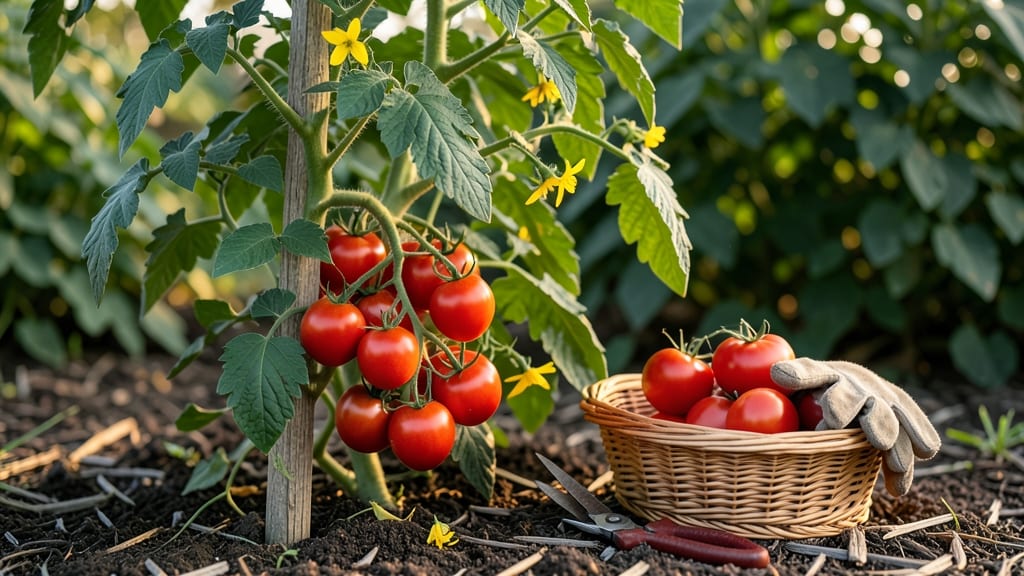
Growing the Neptune Harvest tomato and veg means frost-resistant harvests even when other varieties fail. 🌱 I planted mine last spring after seeing neighbors' tomatoes blacken overnight—this variety thrives in cooler temperatures and keeps producing until first frost. The secret?
A mix of cold tolerance, consistent care, and the right companions to boost resilience. You'll need well-draining soil (amend with compost), full sun (6-8 hours daily), and 18-24 inches of spacing between plants. Water at the base to avoid fungal issues, and mulch heavily to protect roots.
These tomatoes handle light freezes better than most, but a thick blanket of straw or row covers in late fall extends the season dramatically. By midsummer, you'll be harvesting 1-2 pounds of glossy red fruit per plant weekly—sweet, meaty slices perfect for slicing or sauces.
The plants stay compact (4-5 feet tall) and produce steadily until cold snaps arrive. My first harvest? Three weeks earlier than my regular tomatoes, and with fewer diseases. Pair them with basil, onions, or lettuce to improve flavor and deter pests.
Avoid planting near fennel or dill, which compete with tomato growth. With these adjustments, you'll enjoy tomatoes long after other gardens have given up for the year.
📚 In This Guide
- What you need
- Instructions
- Tips and common mistakes
- Wrapping up and next steps
What you need
- ● Seeds or Seedlings: Neptune Harvest tomato seeds (or seedlings) – 5-10 plants (depending on space)
- ● Frost-resistant veggie seeds (e.g., kale, spinach, Swiss chard, or broccoli raab) – 20-50 seeds
- ● Soil: Well-draining potting mix or garden soil – 10-15 gallons (or enough to fill containers)
- ● Compost or organic matter – 1-2 cups per plant (boosts fertility)
- ● Containers or Garden Space: 5-gallon pots or raised beds (for tomatoes) – 1 per plant
- ● Shallow trays or garden beds (for leafy greens) – as needed
- ● Frost Protection: Frost cloth or row covers – enough to drape over plants
- ○ Cold frames or mini greenhouses (optional but helpful)
- ● Basic Tools: Trowel or hand shovel
- ● Garden gloves
- ● Watering can or hose with a gentle spray nozzle
- ○ Optional (But Helpful): Trellis or stakes (for tomato support) – 1-2 per plant
- ● pH testing kit (to ensure soil is 6.0-6.8 for tomatoes)
- ● Organic fertilizer (balanced 10-10-10 or tomato-specific)
- ● Prerequisites: Sunny location – at least 6-8 hours of sunlight daily
- ● Patience! Frost-resistant varieties still need 45-60 days to mature.
Step-by-Step guide to growing frost-resistant tomato varieties
Here's how to cultivate cold-hardy tomato plants that thrive even when temperatures dip.
🌱 Step 1: Select and Prepare Frost-Resistant Varieties
Choose Neptune F1 tomato seeds—this hybrid handles 28°F temperatures and produces reliable yields in cool climates. Start seeds indoors 8-10 weeks before your last frost date, using sterile seed-starting mix in 2-3 inch deep containers. The key is warmth: maintain soil at 75-85°F for germination, which typically takes 5-10 days.
Once sprouts appear, move them to a bright, south-facing window or under grow lights for 14-16 hours daily. You'll notice strong, compact seedlings with deep green leaves—these are your indicators of healthy growth. Avoid overcrowding; thin to one seedling per cell if you planted multiple seeds.
☀️ Step 2: Harden Off and Transplant After Frost Threat Passes
Two weeks before your last frost date, begin hardening off seedlings by placing them outside in a sheltered, shaded spot for 1-2 hours the first day. Gradually increase exposure by 1 hour daily, watching for wilting or leaf burn as signs they're not ready. By the time you transplant, they should tolerate full sun without stress.
Wait until soil temperatures reach at least 55°F before planting. Neptune tomatoes thrive in full sun but tolerate partial shade better than most varieties. Space plants 24-36 inches apart in rows 3 feet apart to allow airflow—this prevents fungal diseases that thrive in damp conditions.
💧 Step 3: Water and Fertilize for Cold-Resistant Growth
Water deeply once weekly, providing 1-1.5 inches of water per week. Neptune tomatoes prefer consistent moisture but hate soggy roots, so always water at the base and avoid wetting foliage. You'll know moisture is right when the top 2 inches of soil feel dry to the touch. Mulch with 2-3 inches of straw to retain soil warmth and suppress weeds.
Fertilize lightly at planting with a balanced 10-10-10 formula, then switch to a low-nitrogen, high-phosphorus blend (like 5-10-10) when flowers appear. Over-fertilizing leads to excessive leaf growth at the expense of fruit production—watch for dark green, lush foliage without corresponding tomatoes as a warning sign.
✂️ Step 4: Prune and Support for Cold-Climate Productivity
Prune suckers (the shoots that grow between the stem and branches) weekly to redirect energy to fruit production. Neptune tomatoes benefit from staking or caging—install supports at planting to avoid disturbing roots later. You'll see heavier fruit loads and fewer cracked tomatoes if plants aren't overloaded with foliage.
Harvest when tomatoes turn deep red and yield slightly to gentle pressure. Cold-resistant varieties like Neptune ripen 2-3 weeks earlier than heat-loving types, so check plants every 3-4 days during peak season. Store unripe tomatoes at 55-60°F to finish ripening indoors—this mimics their natural cold tolerance.
Tips & tricks for perfect frost-resistant tomato cultivation
Mastering cold-hardy tomato varieties like Neptune F1 means understanding the nuances of timing, temperature, and care—here's what I've learned to ensure reliable harvests even when temperatures dip.
Germination Temperature Control: Keep that soil at 75-85°F for the critical 5-10 days of germination. I use a seedling heat mat for the first week, then switch to a warm windowsill. The key is consistency—fluctuations can delay sprouting or create weak seedlings. If your home runs cool, consider a small greenhouse tent over the containers to maintain warmth.
Harden Off Gradually: That 1-2 hour initial outdoor exposure in Step 2 should feel like a gentle introduction, not a shock. Watch for wilting—this is your plant's way of saying "too much, too soon." I've seen seedlings recover from brief wilting, but prolonged stress leads to stunted growth. Increase time by 1 hour daily only if leaves remain firm and vibrant.
Soil Temperature Matters: Never plant until soil reaches at least 55°F—cold soil shocks roots and delays establishment. I use a soil thermometer to verify, especially in spring when mornings can be deceptive. If your soil stays cool, consider black plastic mulch a week before planting to warm it naturally.
Pruning Strategy: That weekly sucker removal in Step 4 might seem tedious, but it's what transforms lush foliage into productive plants. I prune just above the leaf junction using clean scissors to prevent disease entry. For larger plants, I remove the lowest suckers first to improve airflow at the base where soil-borne pathogens lurk.
Pro Tips for Neptune Harvest Tomato And Veg
- Mastering cold-hardy tomato varieties like Neptune F1 means understanding the nuances of timing, temperature, and care—here's what I've learned to ensure reliable harvests even when temperatures dip.
- Germination Temperature Control: Keep that soil at 75-85°F for the critical 5-10 days of germination.
- Harden Off Gradually: That 1-2 hour initial outdoor exposure in Step 2 should feel like a gentle introduction, not a shock.
Frequently asked questions
Got questions about growing Neptune Harvest tomatoes and veggies? You’re not alone! These cold-hardy varieties are a game-changer, but every gardener has a few burning questions. Here’s what you need to know before diving in:
Can Neptune Harvest tomatoes really survive light frosts?
These tomatoes are bred to tolerate light frosts down to 28°F (-2°C), making them ideal for early spring or late fall harvests. Just avoid heavy freezes—cover plants with frost cloth if temps drop further. Their cold resistance means you can plant weeks earlier than traditional varieties!
How long does it take for Neptune Harvest tomatoes to mature?
Neptune Harvest tomatoes typically mature in 60–70 days from transplant, depending on warmth and sunlight. For veggies like peas or kale (often paired in cold frames), expect 50–65 days. Start seeds indoors 4–6 weeks before the last frost for a head start. Patience pays off—these plants reward you with early, reliable harvests!
What can I grow alongside Neptune Harvest tomatoes in a cold frame?
These tomatoes thrive with companion plants like spinach, lettuce, radishes, or peas—all frost-tolerant and perfect for layered harvests. Avoid planting near brassicas (cabbage family), as they compete for nutrients. A 3-tier cold frame works beautifully: tomatoes on the bottom (warmest), greens in the middle, and delicate herbs on top!
What should I do if my Neptune Harvest plants look stressed after a frost?
If leaves yellow or wilt post-frost, trim damaged foliage and monitor for recovery. These plants are resilient—focus on watering at the base (avoid wetting leaves) and fertilizing lightly with compost tea. If growth stalls, check for pests (like aphids) that thrive on stressed plants. Most bounce back within 1–2 weeks of mild frost!
Are there any alternatives to Neptune Harvest if I want ultra-cold-hardy veggies?
Yes! For even harder frost tolerance, try:
- ‘Siberian’ tomatoes (25°F/-4°C)
- ‘Winter Density’ kale (20°F/-7°C)
- ‘Arctic King’ peas (15°F/-9°C)
Wrapping up and next steps
Growing Neptune Harvest tomatoes and frost-resistant veggies isn’t just about adding color to your garden—it’s about reliability and resilience. These varieties thrive even when Mother Nature throws curveballs, ensuring a bountiful harvest when others might fail.
Whether you're a seasoned gardener or just starting, these plants make growing easier and more rewarding.
Ready to take the next step? Start by picking your favorite frost-tolerant veggies, grab your seeds, and get planting! Soon, you’ll be enjoying fresh, homegrown goodness—no frost fears included. 🌱✨