
Companion Plants
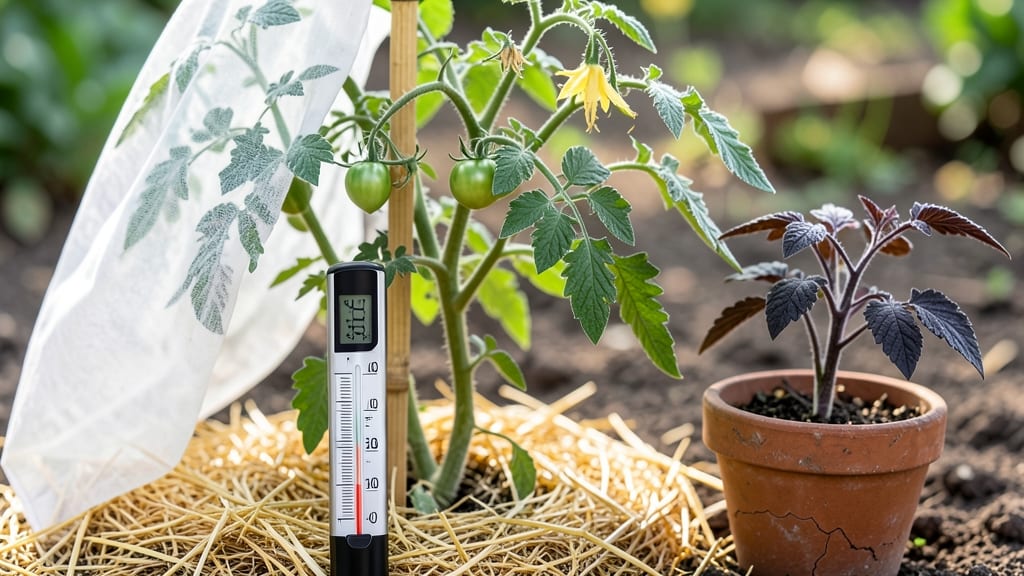
Tomatoes shiver in the low temperature for tomato plants below 50°F—and that’s when the real damage starts. 🌱 I’ve seen firsthand how a single cold snap can turn lush vines into sad, stunted plants overnight, but there’s a way to protect them before (and after) the frost threatens.
The key is understanding your zone’s true last frost date—not the one on the seed packet. Cold-hardy varieties like ‘Stupice’ or ‘Mountain Merit’ can handle brief dips to 32°F, but most tomatoes need soil temps above 55°F just to germinate.
That’s why I start seeds indoors 6-8 weeks before my last frost, even if it means waiting until May to transplant.
If you spot yellowing leaves, wilting, or blackened stems, act fast: cover plants with row fabric or clear plastic, and mulch heavily to insulate roots. A quick recovery is possible if you catch it early—just don’t let temps drop below 40°F for more than a few hours.
This works for containers, raised beds, and in-ground gardens—just adjust timing based on your microclimate. Let’s keep those tomatoes thriving, no matter what Mother Nature throws at them.
📚 In This Guide
- What you need
- Instructions
- Tips and common mistakes
- Wrapping up and next steps
What you need
- ● Cold-hardy tomato varieties: Choose varieties like ‘Mountain Merit,’ ‘Stupice,’ or ‘Glacier’ (3–4 plants).
- ● Containers or raised beds: 5-gallon pots (2–4) or a 4’x8’ raised bed (1) with drainage holes.
- ● High-quality potting mix: 10–15 lbs of organic, well-draining soil (e.g., Miracle-Gro Potting Mix).
- ● Row covers or frost blankets: 3–4 ft wide, lightweight fabric (e.g., Agribon or Reemay).
- ● Black plastic mulch: 4’x10’ sheet to retain soil warmth.
- ○ Cold frames or mini greenhouses: 1–2 (optional but highly effective for Zone 4–5).
- ● Thermometer: Soil and air thermometer (e.g., La Crosse Technology).
- ● Drip irrigation or soaker hoses: 50 ft roll to prevent soil freezing.
- ● Fertilizer: Balanced 10-10-10 or tomato-specific feed (e.g., Espoma Tomato-Tone).
- ● Pruning shears: Bypass pruners for trimming damaged foliage.
- ● Grow lights: LED full-spectrum bulbs for indoor starts (if starting early).
- ● Heat mats: Germination mats for seedling warmth (Zone 3–4 growers).
- ● Straw or mulch: 2–3 inches to insulate soil.
- ● Windbreaks: Temporary fencing or burlap to shield plants from cold winds.
- ● Plant heaters: Small propane heaters (e.g., Mr. Heater) for extreme cold snaps.
How to protect tomato plants from low temperatures
Tomatoes are heat-lovers, but with the right strategies, you can extend their season safely through cooler weather.
🌱 Step 1: Understand Your Hardiness Zone and Frost Dates
First, identify your USDA hardiness zone—this determines your last spring frost date and first fall frost. Tomatoes thrive in zones 7-10, but even in colder zones, you can grow them successfully by adjusting timing. Use the National Weather Service or local extension service to find your average last frost date—this is your countdown to planting.
Here's the thing—tomatoes won't survive temperatures below 32°F. If your zone has late frosts after your typical planting window, you'll need to use season extenders (more on that in Step 3). I always mark my calendar 2-3 weeks before the last frost to prepare cold-hardy varieties or protective gear.
☀️ Step 2: Choose Cold-Tolerant Varieties and Adjust Planting Time
Not all tomatoes are created equal when it comes to cold. Early Girl, Stupice, and Glacier are varieties bred to handle temperatures as low as 40°F for short periods. If you're in zones 4-6, these are your best bets. Plant them 4-6 weeks before your last frost date—they germinate faster in cooler soil and mature quicker.
For zones 7-10, you can push the envelope by planting heat-tolerant varieties like Celebrity or Solar Fire slightly earlier, but protect them with floating row covers until soil warms to 60°F. I’ve found that soil temperature matters more than air temperature—use a soil thermometer to confirm it’s ready.
🪴 Step 3: Use Season Extenders for Early or Late Planting
If you're planting before the last frost or extending the season into fall, row covers, cold frames, or low tunnels are your best friends. A floating row cover (made of lightweight fabric) raises temperatures by 5-10°F and protects against light frosts (28-32°F). Secure it tightly to the ground with bricks or stakes to prevent wind damage.
For hard frosts (below 28°F), switch to hoop houses or cold frames. These create a microclimate that can keep temperatures 10-15°F warmer than outside. I’ve kept tomatoes growing through October in zone 5 using a clear plastic tunnel with a small fan for ventilation—just don’t let the temperature climb above 85°F during the day or you’ll cook the plants.
⏰ Step 4: Monitor Weather and Take Preventive Action
Watch the 5-day forecast closely. If a light frost (28-32°F) is predicted, cover plants with old blankets, cardboard, or even upside-down buckets filled with water (the water releases heat as it freezes). Remove covers as soon as the sun comes out to prevent overheating.
For heavy frosts (below 28°F), you’ll need to shut down growth temporarily. Tomatoes can survive brief dips to 25°F if the soil is dry, but prolonged cold will kill them. If a hard freeze is coming, harvest what you can and let the plants die back—you might get a second flush of growth when temperatures rise again.
💧 Step 5: Adjust Watering and Fertilizing for Cooler Weather
Tomatoes slow their growth in cool weather, so they need less water and fertilizer than in peak summer. Water deeply but less frequently—aim for 1 inch per week—and avoid wetting the foliage to prevent fungal diseases like early blight, which thrives in damp, cool conditions.
Cut back on nitrogen-heavy fertilizers (like blood meal) and switch to a balanced 10-10-10 or phosphorus-heavy formula to encourage root and fruit development. I’ve seen tomatoes stall completely when over-fertilized in cool weather—just because they’re not growing fast doesn’t mean they’re dead. They’re conserving energy for when it warms up.
Tips & tricks for frost-proof tomato gardening
Extending your tomato season through cooler weather isn't just about survival—it's about strategy. Here's what I've learned from years of pushing the limits in colder climates.
Zone-Specific Timing: In zones 4-6, that 4-6 week window before your last frost isn't just a suggestion—it's critical. I've found that planting Early Girl varieties 5 weeks out gives them enough time to establish roots before soil temperatures drop below 60°F. For zones 7-10, you can plant heat-tolerant varieties like Celebrity slightly earlier, but only if you're ready to protect them with row covers until soil reaches 60°F. The key is matching your planting timeline to soil temperature, not just air temperature.
Layered Protection System: Don't rely on just one method—combine approaches for maximum effectiveness. Start with floating row covers for light frosts (28-32°F), then add hoop houses for hard frosts (below 28°F). I've seen dramatic differences when I use both: row covers provide that 5-10°F temperature boost, while hoop houses add another 10-15°F. The combination can turn a potentially deadly 25°F night into a survivable 40°F environment for your plants. Just remember to ventilate during warm days to prevent overheating above 85°F.
Water Management: The 1 inch per week watering guideline becomes even more important in cooler weather. I've learned to water deeply in the morning to allow foliage to dry completely before evening—this prevents fungal diseases like early blight that thrive in damp, cool conditions. For extra protection during frost warnings, I add a layer of mulch around the base of plants to insulate roots and reduce moisture evaporation. This simple step can make the difference between healthy plants and those struggling to recover from cold stress.
Fertilizer Strategy: When temperatures dip, tomatoes conserve energy by slowing growth, which means they need less nitrogen but more phosphorus. I've had the best success switching to a 10-10-10 or phosphorus-heavy formula when nighttime temperatures consistently drop below 60°F. The phosphorus helps strengthen root systems and fruit development, while reduced nitrogen prevents excessive leaf growth that can't be supported in cooler conditions. Think of it as giving your plants the right fuel for their "energy-saving" mode.
Pro Tips for Low Temperature For Tomato Plants
- Extending your tomato season through cooler weather isn't just about survival—it's about strategy.
- Zone-Specific Timing: In zones 4-6, that 4-6 week window before your last frost isn't just a suggestion—it's critical.
- Layered Protection System: Don't rely on just one method—combine approaches for maximum effectiveness.
Frequently asked questions
Got questions about keeping your tomato plants happy in cooler temps? You’re not alone!
Here are answers to the most common concerns—whether you’re prepping for early planting, troubleshooting frost damage, or just curious about what tomatoes can handle.
Can tomato plants survive light frost?
Most tomato varieties are not frost-tolerant—even a light freeze (below 32°F/0°C) can kill seedlings or young plants. However, mature plants in USDA Zones 8-10 may survive brief dips to 30°F (-1°C) if hardened off properly. For safety, use row covers or move pots indoors.
What’s the lowest temperature tomato plants can tolerate?
Tomatoes thrive in 60–85°F (15–29°C), but young plants can handle 50°F (10°C) for short periods. Seedlings? Keep soil temps above 55°F (13°C)—colder soil stunts growth. Use black plastic mulch or cloche covers to warm roots in chilly zones.
How do I protect tomato plants from late spring frost?
Start with row covers or frost cloth—they trap heat and raise temps by 4–8°F. For extra defense:
Yes! Cooler temps (below 65°F/18°C) slow flowering and fruiting. However, varieties like ‘Stupice’ or ‘Cherokee Purple’ adapt better to shorter seasons. Boost growth with:
Use a south-facing window or grow lights for 6+ hours daily. Choose determinate varieties (bush tomatoes) for containers. Keep temps 70–75°F (21–24°C) day/night and fertilize lightly—indoor tomatoes need less water but more humidity (try a pebble tray). Check for blackened stems (frost damage) or yellow leaves (transplant shock). If only leaves are affected:
Will tomatoes grow slower in cooler weather?
Can I grow tomatoes indoors if outdoor temps are too low?
What if my tomato plants look wilted after a cold snap?
If stems are mushy, the plant is likely dead—remove it to prevent disease.
Wrapping up and next steps
Mastering the art of protecting your tomato plants from low temperatures doesn’t have to be a challenge—it’s all about timing, preparation, and a little know-how! 🌱 Whether you’re adjusting your planting schedule, choosing frost-resistant varieties, or using smart mulching techniques, these strategies will help your tomatoes thrive even in cooler climates. Now’s the perfect time to put your plan into action!
Start by testing your microclimate and selecting the right tools for your garden. Before you know it, you’ll be harvesting juicy, homegrown tomatoes—regardless of the season! 🍅