
Planting
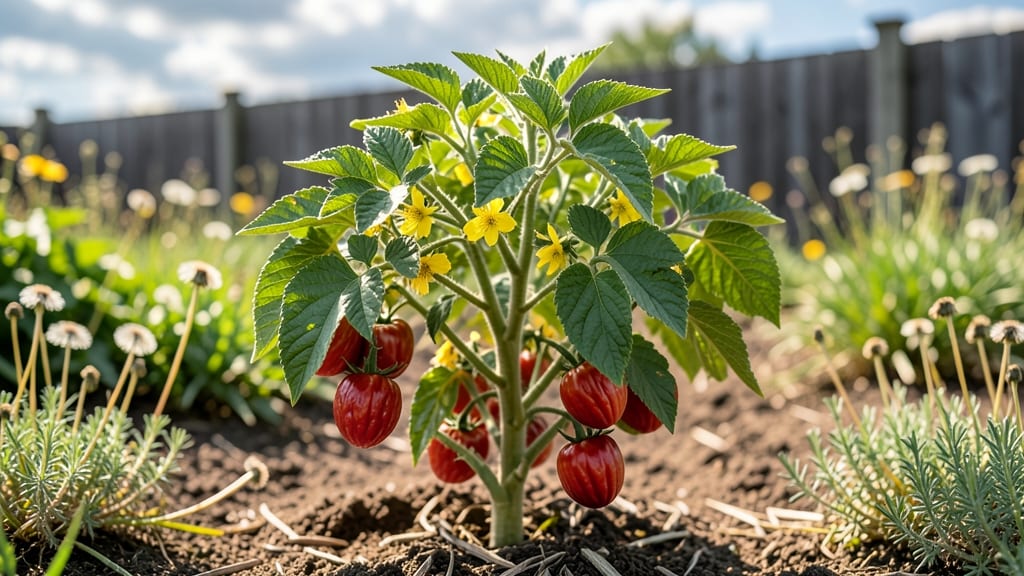
Growing the litchi tomato plant in containers unlocks a tropical harvest you won’t find in stores. 🌱 These cherry-sized gems burst with sweet, tangy flavor—like a cross between a tomato and a lychee fruit—making them a standout for home gardens.
The key lies in mimicking their native tropical conditions while keeping them contained, which is easier than you’d think with the right setup.
Start with a 5-gallon container or larger, filled with well-draining potting mix rich in organic matter. Litchi tomatoes thrive in full sun (6+ hours daily) and need consistent moisture, but they despise soggy roots—so prioritize drainage.
Unlike standard tomatoes, they grow as trailing vines, so a sturdy trellis or hanging basket works best. Prune lightly to encourage bushier growth and remove suckers to focus energy on fruit production.
By midsummer, you’ll taste the difference: juicy, lychee-like sweetness with minimal acidity, perfect for snacking or gourmet dishes. The plants are compact enough for balconies or patios but productive enough to yield pounds of fruit per season with proper care. Even in small spaces, this tropical variety delivers big rewards.
For best results, start seeds indoors 8-10 weeks before your last frost or buy healthy transplants from a reputable nursery. Monitor for common pests like aphids, and use neem oil if needed. With the right container and care, you’ll turn your patio into a mini tropical oasis—no greenhouse required.
📚 In This Guide
- What you need
- Instructions
- Tips and common mistakes
- Wrapping up and next steps
What you need
- ● Litchi tomato seeds or seedlings: 1-3 plants (choose disease-resistant varieties like 'Litchi' or 'Sweet 100').
- ● Container: 1-2 large pots (12-18 inches in diameter) with drainage holes. Pro tip: 💡 Use fabric grow bags for better aeration!
- ● High-quality potting mix: 5-10 gallons (look for a blend with perlite or coconut coir for drainage).
- ● Slow-release fertilizer: 1-2 cups (10-10-10 or organic options like worm castings).
- ● Watering can or hose with a gentle spray nozzle.
- ● Support structure: 1-2 tomato cages or stakes (4-6 feet tall).
- ● Pruning shears: 1 pair (for trimming and shaping the plant).
- ● pH testing kit: 1 (to monitor soil acidity, ideal range: 6.0-6.8).
- ● Mulch (straw or shredded leaves): 1-2 inches (to retain moisture).
- ● Liquid fertilizer (balanced or high in potassium): 1 bottle (for flowering/fruiting stage).
- ● Grow lights or sunny spot: 6+ hours of sunlight daily (or LED grow lights for indoor setups).
Step-by-step instructions for growing litchi tomatoes in containers
Transform your patio into a tropical harvest with these vibrant cherry tomatoes—here’s how to coax sweet, fruit-like tomatoes from your containers.
🌱 Step 1: Select the Right Container and Soil Mix
Litchi tomatoes thrive in 5-gallon containers with drainage holes—no larger, or roots get waterlogged. I use a blend of 60% potting mix, 30% coconut coir, and 10% perlite for airy roots. Fill the pot halfway, then moisten the mix until it feels like a wrung-out sponge—damp but not dripping.
Press the soil down gently to remove air pockets, but don’t compact it. Litchi tomatoes hate soggy feet, so add a 2-inch layer of gravel at the bottom if your pot lacks drainage. This ensures excess water bypasses the roots entirely. Here’s the thing—these plants grow fast, so choose containers with sturdy handles or wheels. You’ll be moving them often as the season progresses.
☀️ Step 2: Plant and Position for Maximum Sun
Dig a hole twice as wide as the root ball but no deeper. Gently remove the seedling from its nursery pot and tease the roots outward—this encourages them to spread into your custom mix. Place the plant so the top of the root ball sits ½ inch below the soil line. Fill the hole, pressing lightly to eliminate air gaps, then water deeply until it drains from the bottom.
Litchi tomatoes demand full sun (8+ hours daily), so position your containers on a south-facing patio or balcony. If shade creeps in, stems stretch and fruit turns bland. I’ve found that rotating pots a quarter turn weekly prevents lopsided growth. Watch for the first flowers—when they appear, move the plant to a spot with morning sun and afternoon shade in hot climates to protect blossoms from wilting.
💧 Step 3: Water and Fertilize for Continuous Harvest
Water when the top inch of soil feels dry, but never let the pot sit in saucers of water. Litchi tomatoes are drought-sensitive—they’ll drop flowers if thirsty. I use a 5-10-10 fertilizer every 2 weeks once flowers appear, but cut back to monthly once fruit sets. Too much nitrogen now means leafy growth, not sweet tomatoes.
Here’s the trick: water at the base in the morning. Wet foliage at night invites fungal diseases, and morning watering gives roots time to absorb moisture before the heat of day. You’ll know you’re nailing it when new leaves stay deep green and stems feel firm to the touch. If leaves yellow between veins, you’re overwatering—let the soil dry out more between sessions.
✂️ Step 4: Prune and Support for Heavy Fruit Loads
Install a 6-foot bamboo stake or tomato cage at planting to support the sprawling vines. As the plant grows, weave stems through the cage or tie them to the stake with soft cloth strips—never wire, which cuts into tender stems. Prune suckers (the shoots in the leaf axils) when they’re 2 inches long to direct energy to fruit, not foliage.
When clusters reach 3-4 ounces, remove the smallest tomato in each bunch. This forces the remaining fruit to grow larger and sweeter. I also pinch off any flowers that appear after the first 6 clusters—this prevents the plant from exhausting itself. You’ll see the difference in fruit size within weeks. Real talk: Litchi tomatoes are prolific, so pruning isn’t optional if you want to avoid a collapsed plant mid-season.
🍅 Step 5: Harvest and Extend the Season
Pick tomatoes when they’re deep red and slightly soft to the touch—they won’t ripen further off the vine. Use pruning shears to avoid damaging stems, and harvest every 2-3 days to encourage more production. Store them at room temperature for 5-7 days or refrigerate for up to 2 weeks (though flavor dulls quickly).
To extend harvests, cover plants with frost cloth when nights dip below 50°F. I’ve kept mine producing until first frost by moving containers to a sheltered garage or under a grow light for 12 hours daily. Save seeds from your best tomatoes—soak them in water for 24 hours, then dry on paper towels before storing in an envelope. These heirlooms are worth propagating!
Tips & tricks for perfect litchi tomato container cultivation
Here's what nobody tells you about turning your balcony into a tropical tomato paradise—these are the game-changers that separate good harvests from jaw-dropping ones.
Soil Science Secret: The 60-30-10 soil blend isn't just arbitrary—it's about creating the perfect air-to-water ratio. After mixing your potting soil, coconut coir, and perlite, press it gently with your fingers until it holds shape but still crumbles easily. This texture mimics the plant's natural forest floor habitat, where roots breathe freely. Confession: I skipped this step for years and wondered why my plants always looked stressed. The difference between a mediocre result and an absolutely stellar one often comes down to this single, seemingly insignificant step.
Light Strategy: Those 8+ hours of full sun aren't just about sunlight—they're about light intensity. If your patio gets afternoon shade, position your containers to catch the strongest morning sun (when UV levels are highest) and supplement with a portable grow light for 2-3 hours in the afternoon if needed. I've found that rotating pots a quarter turn weekly creates more uniform growth—your plants will thank you with bushier, more productive vines. The key is to mimic the gradual sun exposure these tropical plants experience in their native habitats.
Pruning Precision: When you're removing suckers at the 2-inch mark in Step 4, use clean pruning shears and make cuts at a 45-degree angle just above a leaf node. This technique prevents water from pooling on the cut and reduces disease risk. For the 3-4 ounce cluster rule, I recommend using a kitchen scale for accuracy—your first few harvests will be noticeably sweeter when you perfect this timing. Remember, you're not just pruning for aesthetics; you're training the plant to focus its energy where it counts.
Fertilizer Timing: The switch from bi-weekly to monthly 5-10-10 fertilizer after fruit sets is crucial for flavor development. Too much nitrogen at this stage creates leafy growth at the expense of sweetness. I've had the best results by mixing my fertilizer with water and applying it directly to the soil surface rather than pouring it around the base. This slow-release method prevents root burn while ensuring consistent nutrient uptake throughout the plant's growth cycle.
Pro Tips for Litchi Tomato Plant
- Here's what nobody tells you about turning your balcony into a tropical tomato paradise—these are the game-changers that separate good harvests from jaw-dropping ones.
- Soil Science Secret: The 60-30-10 soil blend isn't just arbitrary—it's about creating the perfect air-to-water ratio.
- Light Strategy: Those 8+ hours of full sun aren't just about sunlight—they're about light intensity.
Frequently asked questions
Got questions about growing litchi tomatoes in containers?
You’re not alone! Here are answers to the most common queries—from timing to troubleshooting—to help you cultivate these tropical beauties with confidence.
How long does it take for a litchi tomato plant to bear fruit?
A litchi tomato plant typically starts flowering 60–80 days after germination and produces fruit within 70–90 days in ideal conditions. Patience is key—container-grown plants may take slightly longer than those in the ground, but consistent warmth and sunlight speed up the process! Pro tip: Prune early suckers to redirect energy toward fruit production.
Can I grow litchi tomatoes year-round in containers?
Litchi tomatoes thrive in warm climates (USDA Zones 10–12), but they’re not frost-tolerant. In cooler regions, grow them as annuals in summer or overwinter indoors with 12+ hours of grow lights. Move containers to a sunny spot when temps rise above 55°F (13°C). For year-round success, use black containers to absorb heat and insulate roots.
What can I do if my litchi tomato plant’s leaves turn yellow?
Yellowing leaves usually signal overwatering, nutrient deficiency, or pests. Check soil moisture—litchi tomatoes prefer well-draining soil and wilt when thirsty. Test for nitrogen deficiency (use a balanced fertilizer like 10-10-10) or inspect for aphids/spider mites on undersides. Quick fix: Flush soil with water to remove pests and adjust watering to once every 2–3 days (or when top inch is dry).
Are there easier alternatives to litchi tomatoes for beginners?
If litchi tomatoes seem tricky, try these low-maintenance container-friendly tomatoes:
- Cherry tomatoes (e.g., ‘Sweet 100’): Compact, prolific, and forgiving.
- Roma tomatoes: Disease-resistant and great for sauces.
- ‘Tiny Tim’ or ‘Balcony Red’: Dwarf varieties perfect for small pots.
How do I prevent blossom end rot in litchi tomatoes?
Blossom end rot (black, sunken spots on fruit) is caused by calcium deficiency or uneven watering. Keep soil consistently moist (not soggy!) and add crushed eggshells or calcium nitrate to the soil. Mulch with straw to stabilize moisture, and avoid fertilizing heavily during flowering. Bonus: Harvest fruit early if spots appear—it won’t worsen!
Wrapping up and next steps
Growing a litchi tomato plant in containers is a rewarding adventure that brings a taste of the tropics right to your balcony or patio! With the right care—sunlight, well-draining soil, and consistent watering—you’ll soon enjoy sweet, juicy fruits that taste like a vacation.
Whether you’re a seasoned gardener or a beginner, this tropical treat is well within reach.
Ready to dive in? Start by gathering your supplies, pick the perfect container, and give your litchi tomato plant the love it deserves. Happy planting—and enjoy those flavorful harvests! 🌱✨