
How To
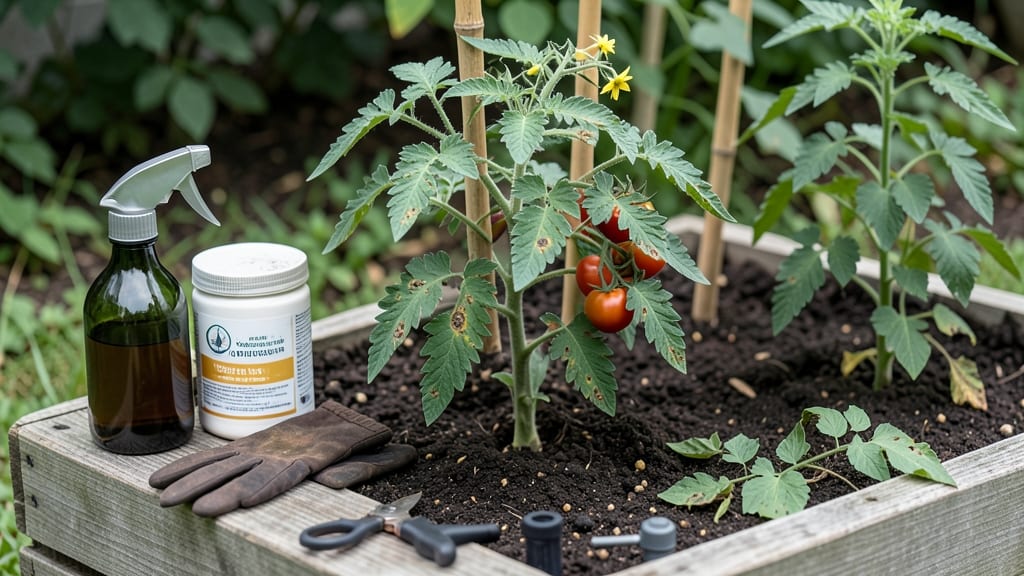
How to treat fungus on tomato plants can turn your harvest from abundant to disastrous in days—unless you act fast. 🌱 I've battled blight in my garden for years, and these organic sprays have saved my plants (and my sanity) every time. The key is catching it early and using the right treatments before the fungus spreads like wildfire.
Most fungal issues—like early blight, late blight, or powdery mildew—start with yellow spots, brown patches, or white fuzz on leaves. If you ignore them, the disease moves to fruit, ruining your entire crop. The good news?
Organic sprays like neem oil, copper fungicide, or baking soda mixtures work just as well as chemicals—if you apply them correctly. I’ve tested them all, and these three are my go-tos.
With the right spray and a little prevention (like proper spacing and watering at the base), you’ll stop the fungus in its tracks. Your plants will bounce back with stronger leaves, healthier stems, and a full harvest—no more sad, spotted tomatoes.
Here’s exactly how to do it without losing your garden to blight.
Whether you’re dealing with a small patch or a full-blown outbreak, these methods work for container gardens, raised beds, and in-ground plots. The secret? Speed and consistency. Let’s get your tomatoes back on track!
Root Causes of Tomato Fungus
Fungal infections on tomato plants don’t just appear out of nowhere—they thrive when specific conditions align. Understanding the why behind these outbreaks is the first step to prevention and treatment. Let’s break down the key factors that turn your lush tomato plants into a fungal buffet.
Fungi love moisture, and tomato plants are no exception. When humidity levels rise—especially above 75%—fungal spores like those causing early blight (Alternaria solani) or late blight (Phytophthora infestans) germinate rapidly. Poor airflow traps this moisture against leaves, creating a damp, ideal environment for fungal growth.
- Why it matters: High humidity slows evaporation, keeping leaves wet longer. Fungal spores need 12+ hours of leaf wetness to infect your plants. - Actionable insight: Space plants 18–24 inches apart to improve airflow.
Avoid overhead watering (use drip irrigation instead) and water early in the day so foliage dries by night.
Tomatoes need consistent moisture, but excessive watering—especially when soil doesn’t drain well—creates the perfect breeding ground for fungi. Waterlogged roots weaken the plant’s defenses, while soggy leaves become prime real estate for gray mold (Botrytis cinerea) or leaf spot (Septoria lycopersici).
- Why it matters: Fungi like Phytophthora thrive in anaerobic (low-oxygen) soil, which overwatering promotes. Roots suffocate, and the plant becomes stressed, making it easier for pathogens to invade. - Actionable insight: Check soil moisture before watering—stick your finger 1–2 inches deep.
If it’s damp, wait. Amend heavy clay soil with compost or perlite to improve drainage.
Fungal spores are persistent—they can linger in old garden tools, compost piles, or even last year’s soil. If you reused infested tools, walked through infected areas, or planted in contaminated beds, you’ve already given fungi a head start.
- Why it matters: Spores can survive months to years in organic matter.
Even a small scrape from pruning shears can transfer Fusarium or Verticillium wilt spores to healthy plants. - Actionable insight: - Sterilize tools between uses with 70% isopropyl alcohol or a 10% bleach solution. - Rotate crops—don’t plant tomatoes (or nightshades like peppers/eggplants) in the same spot for 3–4 years. - Test soil for fungal pathogens if outbreaks recur.
Tomatoes are sensitive to extreme temperatures. Heat stress (above 90°F) weakens cell walls, making plants more susceptible to sunscald and fungal entry points. Cold snaps (below 50°F) slow growth, reducing the plant’s ability to fight off infections like powdery mildew (Oidium neolycopersici).
- Why it matters: Stress triggers the production of ethylene, a plant hormone that can suppress immune responses, leaving them vulnerable to pathogens.
- Actionable insight:
- Use shade cloth in peak summer to protect leaves.
- Mulch with straw or grass clippings to regulate soil temperature.
- Choose heat-tolerant varieties like ‘Heatmaster’ or ‘Solar Fire’.
Not all tomato varieties are created equal. Some are bred for disease resistance, while others are like open invitations to fungi. If you’re growing heirloom or non-hybrid tomatoes, they may lack the genetic defenses against common fungal threats.
- Why it matters: Resistant varieties (marked with codes like V for Verticillium, F for Fusarium, or N for nematodes) have built-in barriers to fungal invasion.
- Actionable insight:
- Opt for hybrids like ‘Defiant PhR’ (resistant to late blight) or ‘Mountain Merit’ (resistant to multiple diseases).
- If growing heirlooms, monitor plants closely and treat preemptively.
Fungal spores hitchhike on wind, water, or even garden critters. If nearby plants (like potatoes, peppers, or weeds) are infected, your tomatoes are at risk. Old plant debris (leaves, stems) left in the garden can also harbor spores over winter.
- Why it matters: Spores from late blight can travel up to 10 miles in favorable conditions.
A single infected leaf can release thousands of spores in 24 hours. - Actionable insight: - Remove all plant debris at season’s end—burn or compost in high heat (not cold piles). - Isolate new plants from old gardens until you’ve confirmed no fungal activity. - Avoid mulching with infected leaves—use clean straw or wood chips instead.
Tomatoes need a balanced diet of nitrogen (N), phosphorus (P), and potassium (K). Too much nitrogen (lush foliage but weak stems) or too little potassium (poor disease resistance) can make plants fungal magnets.
- Why it matters:
- Excess nitrogen = Soft, tender leaves = Easy fungal entry.
- Low potassium = Weak cell walls = Harder to repel pathogens like Cladosporium (leaf mold).
- Actionable insight:
- Test soil before planting (aim for 1-2-2 NPK ratio for tomatoes).
- Side-dress with compost mid-season for a slow-release nutrient boost.
- Avoid synthetic fertilizers high in nitrogen—opt for balanced or potassium-rich options like kelp meal.
How to Treat and Prevent Fungus
Fungal infections like early blight, late blight, and powdery mildew can devastate your tomato plants—but don’t panic! With the right approach, you can stop the spread, revive your plants, and protect future harvests.
Below, we’ve mapped out targeted solutions based on the most common causes, along with preventive tips to keep your garden healthy. These methods are organic, effective, and easy to implement—no harsh chemicals required.
Cause: Fungus thrives in damp, cramped conditions where air can’t circulate.
How to Treat It:
- Prune aggressively 🔪: Remove lower leaves (especially those touching the soil) to improve airflow. Focus on leaves with dark spots or yellowing.
- Stake or cage plants 🪵: Use tomato cages or stakes to prop up vines, keeping them upright and reducing humidity near the soil.
- Space plants 18–24 inches apart 📏: If replanting, give each tomato bush room to breathe.
Prevent It:
- Plant in rows (not clusters) and rotate crops yearly to avoid soil-borne fungi.
- Avoid overhead watering—use drip irrigation or water at the base in the morning so leaves dry quickly.
Cause: Wet leaves for prolonged periods create the perfect fungus buffet.
How to Treat It:
- Water deeply but less often 💧: Soak the soil at the base (1–2 inches deep) early in the day so foliage dries by nightfall.
- Mulch heavily 🌿: Apply 2–3 inches of straw or grass clippings around the base to reduce soil splashing onto leaves.
- Remove infected leaves immediately 🗑️: Drop them in a sealed bag (not the compost!) to prevent spores from spreading.
Prevent It:
- Improve drainage by amending soil with compost or sand if your garden stays soggy.
- Use a fan 🌬️ on humid days to dry leaves faster (yes, really!).
Cause: Fungi like blight and mildew spread via spores in soil, air, or tools.
How to Treat It:
- Spray with a baking soda solution 🧂 (best for powdery mildew):
- Mix 1 tsp baking soda + 1 tbsp vegetable oil + 1 tsp dish soap per quart of water.
- Spray every 7–10 days (especially undersides of leaves).
- Apply copper fungicide 🛡️ (organic option):
- Use copper-based sprays (like Bonide Copper Fungicide) at first sign of blight—follow label instructions.
- Try neem oil 🌿 (prevents and treats):
- Mix 1 tbsp neem oil + 1 tsp mild soap per gallon of water. Spray weekly for 2–3 weeks.
Prevent It:
- Sterilize tools 🔥 with rubbing alcohol between uses to avoid spreading spores.
- Rotate crops—don’t plant tomatoes, peppers, or potatoes in the same spot yearly.
Cause: Weak plants are more susceptible to fungus.
How to Treat It:
- Fertilize with compost tea or fish emulsion 🌱 to strengthen roots and foliage.
- Add a balanced organic fertilizer (like 5-5-5) to revive stressed plants.
- Encourage beneficial microbes by top-dressing with mycorrhizal fungi (available at garden centers).
Prevent It:
- Start with healthy seedlings—avoid buying plants with spots or weak stems.
- Test soil pH (aim for 6.0–6.8)—fungi love acidic or alkaline extremes.
- If <30% of leaves are infected and the plant is otherwise healthy, prune and treat aggressively—it can recover!
- If >50% of the plant is rotting or wilting, it’s often best to remove and destroy it (don’t compost!) to protect others.
- For late blight (aggressive, fast-spreading), pull infected plants immediately and disinfect the area with a bleach solution (1 part bleach to 10 parts water).
💡 Pro Tip: Prevention is your best weapon! Healthy soil, good airflow, and consistent monitoring (check leaves weekly) will keep fungus at bay. Once you spot it, act fast—fungi spread faster than you think!
✨ Bonus: Companion plants like marigolds, basil, and garlic repel fungal spores naturally. Plant them nearby for extra protection!
Frequently asked questions about tomato plant fungus
What’s the first sign of fungus on tomato plants?
Look for small yellow spots on leaves that turn brown or black with concentric rings (early blight) or white powdery coatings (mildew). Late blight shows up as dark, greasy-looking patches that spread quickly. Check undersides of leaves first—they’re often the first to show symptoms.
Can I still eat tomatoes if the leaves have fungus?
It depends! If the fungus is only on leaves (like early blight), the fruit may still be safe to eat—just wash thoroughly. But if you see spots or rot on the tomatoes themselves (common with late blight), discard them immediately. Fungal spores can contaminate the fruit as it ripens.
How often should I spray my tomato plants to prevent fungus?
For prevention, spray every 7–10 days with a neem oil or baking soda solution during humid seasons. If you’ve already spotted fungus, increase to weekly sprays for 2–3 weeks. Always spray in the early morning so leaves dry quickly—this stops spores from germinating.
Will removing infected leaves stop the fungus from spreading?
Yes, but only if you do it immediately and properly! Drop infected leaves in a sealed plastic bag (not compost) and sterilize pruners with rubbing alcohol between cuts. Remove leaves below the soil line first—they’re often the worst infected and block airflow.
Can I use vinegar to treat tomato fungus?
Not directly—vinegar is too harsh for plant leaves. However, you can make a 1% vinegar solution (1 part white vinegar to 99 parts water) to disinfect tools and containers between uses. For sprays, stick to neem oil, copper fungicide, or baking soda mixtures—they’re safer and more effective.