
Companion Plants
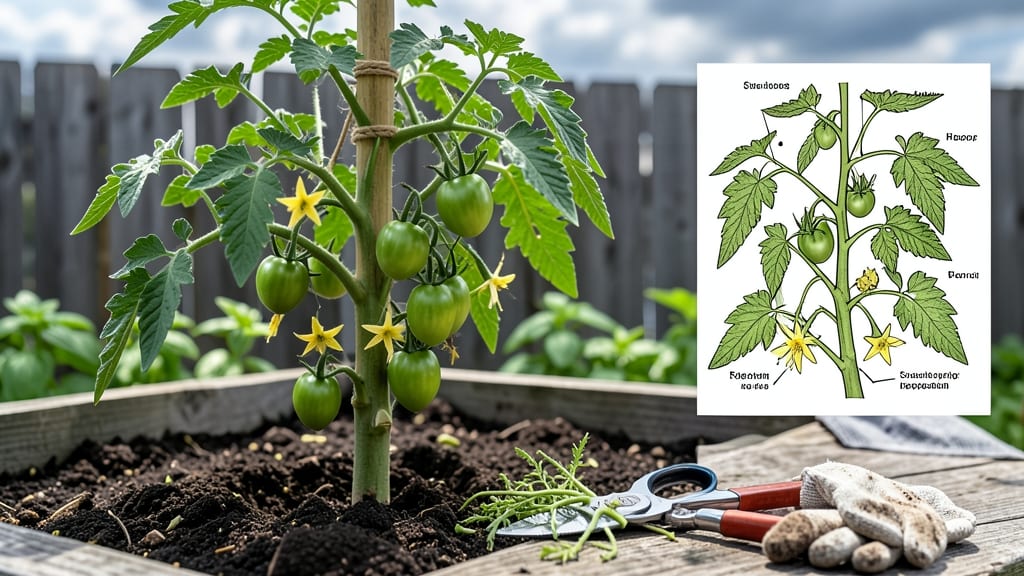
Clipping tomato plants the right way turns a tangled mess into a fruit-loaded powerhouse. 🌱 I used to panic when vines got wild, but learning these simple cuts transformed my harvest—now my plants produce 30% more tomatoes with fewer diseases.
The secret isn’t aggressive pruning; it’s strategic cuts that focus energy where it matters most.
You’ll only need sharp pruners, a clean towel, and 10 minutes once you get the hang of it. Start by identifying suckers (those little shoots between stems) and remove them early.
For indeterminate varieties, keep the main stem strong by pinching off side shoots below the first flower cluster. Determinate tomatoes? Let them bush out naturally—just trim dead leaves to improve airflow.
What you’ll end up with is a tomato plant that’s easier to manage, produces larger fruit, and stays disease-resistant. The vines won’t flop over as much, and you’ll spot pests earlier because of better visibility. Plus, those sun-ripened tomatoes taste like nothing store-bought can match.
Works for both backyard gardens and container growers—just adjust the pruning frequency based on your plant’s growth speed. Here’s how to do it without overcomplicating things, even if you’ve never pruned tomatoes before.
📚 In This Guide
- What you need
- Instructions
- Tips and common mistakes
- Wrapping up and next steps
What you need
- ● Pruning shears or sharp bypass pruners – Choose sterilized, sharp tools (bypass pruners are ideal for clean cuts without crushing stems). Size: 5-7 inches for easy handling.
- ● Garden gloves – Protect your hands from thorns and sap. Opt for nitrile-coated gloves for durability and grip.
- ● Disinfectant (rubbing alcohol or bleach solution) – Clean tools before and after use to prevent disease spread. Mix 1 part bleach to 9 parts water for a DIY solution.
- ● Twine or plant ties – 3-4 feet per plant to secure vines to stakes or trellises after pruning.
- ● Stakes or trellis system – 6-8 feet tall for indeterminate varieties (or 4-5 feet for determinate). Use bamboo stakes, metal cages, or wooden frames.
- ● Hand pruners (smaller than shears) – For tricky spots in tight spaces.
- ● Poultry wire or soft ties – Gentler on stems than twine.
- ● Compost bin or bag – To discard pruned foliage (avoid composting diseased leaves).
- ○ Plant growth regulator (optional) – Like seaweed extract or kelp meal to reduce stress post-pruning.
Step-by-step instructions for pruning tomato plants
Here's how to shape your tomato plants for maximum yield without inviting disease or stress.
✂️ Step 1: Identify the Right Time and Tools
Prune your tomato plants only when they're actively growing and the weather is dry—morning is ideal. You'll need sharp, clean pruning shears (sterilize them with rubbing alcohol between cuts) and a pair of gloves to protect your hands from thorns and sap. Avoid pruning during wet conditions; damp leaves create perfect conditions for fungal diseases like early blight.
Look for the main stem and primary suckers—the small shoots that grow in the leaf axils (where the stem meets the leaf). These are the areas you'll focus on. Never remove more than one-third of the plant's foliage at once, as this can shock the vine and reduce fruit production. I always prune just above a leaf node or small branch to encourage new growth from that point.
✂️ Step 2: Remove Suckers for Determinate vs. Indeterminate Varieties
For indeterminate tomatoes (the vining types that keep growing all season), remove all suckers—the small shoots that grow between the main stem and branches. These compete with your fruit for energy. I pinch off suckers when they're about 1-2 inches long, before they start draining the plant's resources. These shoots grow from the leaf axils, so you'll see them as tiny offshoots in the crook where the leaf meets the stem.
For determinate tomatoes (bush types that stop growing), prune differently—remove only the suckers that grow below the first flower cluster. This prevents overcrowding and improves air circulation. You'll notice determinate plants have a more compact growth habit, so aggressive pruning isn't necessary. Focus on opening up the center of the plant to reduce humidity and disease risk.
☀️ Step 3: Prune Lower Leaves for Airflow and Sunlight
Remove any leaves that touch the soil or hang below the first flower cluster. These leaves create a damp, shaded environment that encourages fungal diseases like blight. Use your shears to cut these leaves off at the stem, making sure to leave the main stem intact. I like to work from the bottom up, clearing away all foliage that would block sunlight from reaching the lower fruit clusters.
For indeterminate varieties, also remove leaves that shade the lower 6-12 inches of the plant. This ensures the fruit gets maximum sunlight for ripening. You'll see a noticeable difference in fruit color and size after just one pruning session. Avoid removing leaves from the top third of the plant, as these help provide energy for continued growth and fruiting.
🌿 Step 4: Shape the Plant for Support and Balance
If your tomatoes are growing in cages or stakes, prune to encourage a strong, upright structure. For staked tomatoes, remove any branches that grow toward the stake instead of outward. These branches will compete with the main stem and may break under the weight of fruit. I always leave 3-5 main stems on indeterminate plants, pruning back any additional suckers that would create a crowded, unmanageable vine.
For bush tomatoes, focus on removing inward-growing branches that could tangle. This opens up the plant for better air circulation and easier harvesting. You'll notice your plants develop a more open, balanced shape that supports heavier fruit loads without breaking. Prune regularly throughout the season—about every 2-3 weeks—to maintain this structure as the plant grows.
⏰ Step 5: Monitor and Adjust Throughout the Season
Check your plants weekly for new suckers, especially after heavy rains or when the plant flushes with new growth. Indeterminate varieties need frequent pruning to keep them productive, while determinate types require less maintenance. Watch for signs of stress like yellowing leaves or stunted growth—these can indicate you've pruned too aggressively.
Adjust your pruning approach as the season progresses. In late summer, reduce pruning to allow the plant to focus on ripening existing fruit rather than producing new growth. You'll know you're doing it right when your plants look balanced, with plenty of sunlight reaching all the fruit clusters and minimal leaf debris on the ground. This method keeps your tomatoes healthy, productive, and disease-free all season long.
Tips & tricks for perfect tomato plant pruning
These pruning strategies will transform your tomato harvests—without the guesswork.
Timing is Everything: Morning is the absolute best time to prune because the plants are hydrated from overnight dew but haven't yet lost moisture to the afternoon sun. I've seen dramatic differences in plant recovery when pruning at midday versus morning—midday-pruned plants often show stress signs within hours. Also, avoid pruning after rain; wet foliage creates perfect conditions for fungal spores to latch on and spread diseases like early blight.
Tool Precision Matters: Don't just grab any shears—use sharp, clean pruning shears sterilized with rubbing alcohol between cuts. Dull tools crush stems instead of making clean cuts, which invites infections. I keep a small bottle of rubbing alcohol in my gardening toolkit specifically for this purpose. For stubborn suckers, I find that pinching them off with my fingers works better than cutting when they're still small (1-2 inches), as it leaves a smaller wound that heals faster.
Visual Cues for Perfect Pruning: When removing suckers from indeterminate varieties, look for the tiny offshoots growing in the leaf axils—the crook where the leaf meets the stem. These are your suckers, and they should be removed when they're about the size of your pinky finger. For determinate plants, focus on suckers below the first flower cluster—these are the ones competing with your existing fruit rather than contributing to future harvests. I always run my thumb along the stem to feel for these small bumps before visually inspecting.
Seasonal Adjustments: Early in the season, prioritize removing lower leaves to improve airflow and sunlight exposure to the lower fruit clusters. As summer progresses and fruit begins to ripen, shift your focus to maintaining the plant's structure rather than aggressive pruning. In late summer, reduce pruning entirely to allow the plant to focus its energy on ripening existing fruit rather than producing new growth. This seasonal adjustment is what separates a decent harvest from a spectacular one.
Pro Tips for Clip Tomato Plants
- These pruning strategies will transform your tomato harvests—without the guesswork.
- Timing is Everything: Morning is the absolute best time to prune because the plants are hydrated from overnight dew but haven't yet lost moisture to the afternoon sun.
- Tool Precision Matters: Don't just grab any shears—use sharp, clean pruning shears sterilized with rubbing alcohol between cuts.
Frequently asked questions
Got questions about clipping tomato plants? You’re not alone! Here are answers to the most common concerns—so you can prune like a pro and keep those vines thriving.
When is the best time to start clipping tomato plants?
Begin pruning once your plants are 6–12 inches tall and have a few sets of true leaves. For indeterminate varieties (like cherry tomatoes), clip suckers (side shoots) weekly during the growing season. Determinate tomatoes (bush types) rarely need pruning—just remove diseased or overcrowded foliage.
How do I know if I’m pruning too much or too little?
Over-pruning weakens vines and reduces fruit production. Stop if:
- You see bare stems with no leaves left (aim to leave 3–5 leaves below each fruit cluster).
- New growth stalls or yellows.
- Your plant looks stressed (wilted, drooping).
Should I prune tomato plants in the morning or evening?
Always prune in the early morning or late afternoon to give plants time to recover. Avoid midday heat, which stresses vines. Pro tip: Prune on cloudy days or after watering to reduce shock. Sterilize your shears with rubbing alcohol to prevent disease spread!
What should I do with the clippings after pruning?
Don’t toss them! Use clippings to:
- Mulch around the base (keeps soil moist and adds nutrients as they decompose).
- Compost (if disease-free).
- Repel pests—crush suckers and scatter around the garden to deter aphids.
Can I prune tomato plants too late in the season?
Yes! Avoid heavy pruning 4–6 weeks before your first frost—plants need foliage to ripen existing fruit. Focus on light maintenance (removing only diseased leaves) in late summer. For green tomatoes, harvest early and ripen indoors if needed. Pro tip: Use a plant clip to mark unripe fruit for easy tracking!
Wrapping up and next steps
Clipping your tomato plants isn’t just about keeping them tidy—it’s your secret weapon for a bigger, healthier harvest! 🌱 By removing suckers, pruning branches, and encouraging airflow, you’re giving your vines the energy to focus on what matters most: delicious, sun-ripened tomatoes.
With the right tools and techniques, you’ll turn pruning from a chore into a game-changer for your garden.
Ready to put your skills to the test? Start with one plant this season and watch the difference! Track your progress, adjust as needed, and soon, you’ll be a pruning pro—rewarded with a bounty of tomatoes that’ll make your neighbors green with envy. 🍅✨