
Tools
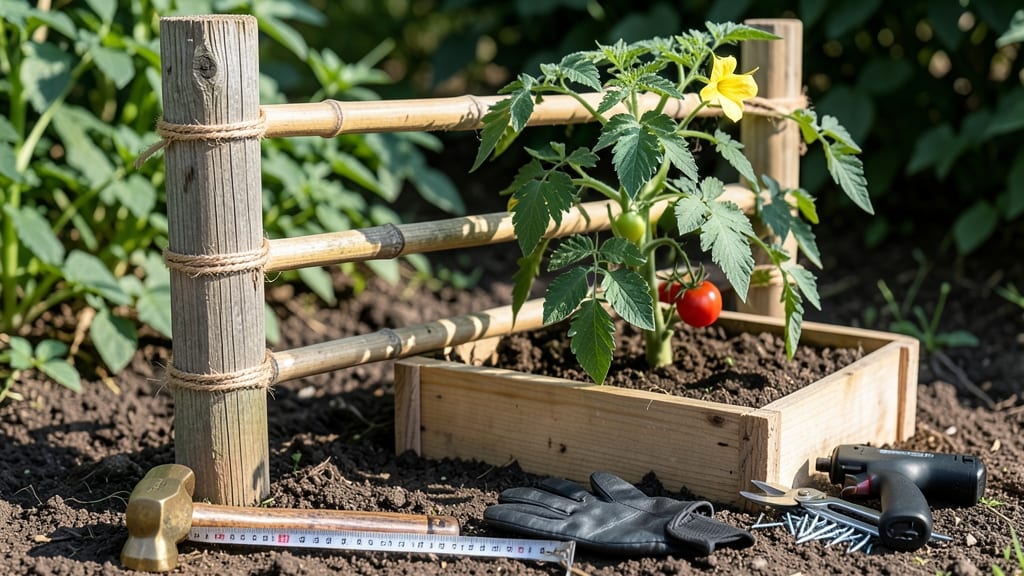
A sturdy trellis how to build a trellis for tomato plants transforms floppy tomato vines into productive, space-saving powerhouses. 🌱 I built my first one after watching my beefsteak tomatoes sprawl across the yard like tangled spaghetti—until I realized how much easier harvesting becomes when vines climb upward.
You’ll need just four basic materials: 2x4 lumber, garden stakes, zip ties or twine, and a saw. The teepee design is my favorite because it’s simple, stable, and works for both indeterminate and determinate varieties.
A 5-foot-tall frame supports vines beautifully while keeping them off the ground where pests and rot lurk. By mid-summer, your tomatoes will be ripening at eye level, making picking effortless. The vines stay healthier too, with better air circulation that cuts down on disease.
Plus, you’ll save space—critical if your garden is small or crowded. Works for containers, raised beds, or in-ground planting. Here’s how to build one that lasts through multiple seasons without wobbling.
📚 In This Guide
- What you need
- Instructions
- Tips and common mistakes
- Wrapping up and next steps
What you need
- ● T-Posts or Sturdy Stakes: 4–6 wooden or metal T-posts (5–6 feet tall, depending on plant height goals).
- ○ Optional: Galvanized steel stakes for extra durability.
- ● Horizontal Supports: 2–3 pieces of 1.5–2 inch PVC pipe (cut to 4–6 feet long) or
- ● 2x4 lumber (pressure-treated for outdoor use).
- ● Fasteners: Zipties, screws, or hose clamps (for PVC).
- ○ Optional: Wooden dowels or bamboo stakes for a rustic look.
- ● Tools: Hammer or mallet, drill/driver, measuring tape, and scissors (for zip ties).
- ○ Optional: Level, saw (for cutting wood/PVC), and post-hole digger (if embedding stakes deeply).
- ● Location: Choose a spot with 6+ hours of sunlight and well-draining soil.
- ● Spacing: Plan for 18–24 inches between posts for medium-sized tomato varieties.
- ● Safety First: Wear gloves and safety goggles when handling tools or sharp materials.
- ● Eco-Friendly Swap: Use reclaimed wood or bamboo to reduce waste! 🌎
Step-by-step instructions for building a sturdy tomato trellis
Here’s my go-to method for creating a simple yet rock-solid trellis that keeps tomato vines growing vertically and yields climbing to your fingertips.
🪴 Step 1: Gather Materials and Measure Your Space
For a 4-plant trellis, you’ll need four 6-foot wooden stakes (2x2 inches or larger), 100 feet of heavy-duty twine or jute twine (or 4 rolls of 25-foot twine), and 4 sturdy T-posts (optional, for extra stability). Measure your planting area—stakes should be spaced 3 feet apart in a square or rectangular layout. I like to place them 1 foot outside the plant’s mature growth radius to avoid crowding.
Drive the stakes 12 inches deep into the soil at each corner. Use a post-hole digger if your soil is hard-packed. For windy areas, add cross-bracing between stakes at the top using 2x4 lumber cut to 3-foot lengths. This creates a rigid frame that won’t sway when vines get heavy with fruit.
✂️ Step 2: Create the Horizontal Support Grid
Attach three horizontal wires or twine lines between stakes at heights of 12 inches, 24 inches, and 36 inches from the ground. Use zip ties or sturdy knots to secure the twine tautly—no sagging! For a permanent trellis, I recommend galvanized wire (14-gauge) because it won’t stretch or rot over time. For a temporary setup, jute twine works fine but may need replacing after one season.
Here’s the trick: leave a 6-inch gap between the top wire and the stake’s full height. This gives you room to weave vines upward without them getting tangled at the top. Test stability by gently pulling each wire—if it sags more than 1 inch, tighten it further.
🌿 Step 3: Train Tomato Vines as They Grow
Once your tomato plants reach 12 inches tall, gently tie the main stem to the lowest wire using soft plant ties or strips of old T-shirt fabric. Avoid metal or plastic ties—they can girdle the stem as it thickens. Every 7-10 days, guide the vine upward to the next wire, securing it loosely enough to allow growth but firmly enough to support weight.
For indeterminate varieties (like cherry tomatoes or 'Sungold'), you’ll keep training vines upward indefinitely. For determinate types (like 'Roma'), stop at the top wire—they’ll naturally stop growing taller. Watch for side shoots (suckers) forming in the leaf axils. Pinch these off if you want a single main stem, or leave them to create a bushier plant.
💧 Step 4: Maintain and Reinforce Over the Season
Check the trellis weekly for loose wires or ties. Rain and wind can loosen knots, and a broken support means vines (and fruit) will crash to the ground. If you notice wilting or yellowing leaves on lower stems, it’s often because the vine is struggling to reach upward—give it a gentle boost to the next wire. For heavy fruit loads, add a fourth wire at 48 inches to distribute weight.
By late summer, your trellis should look like a living ladder, with vines climbing to 6-8 feet tall. This isn’t just for show—vertical growth improves air circulation, reducing disease risk, and makes harvesting easier. Plus, sun exposure increases on all sides of the plant, leading to bigger, sweeter tomatoes.
Tips & tricks for building sturdy tomato trellises
Here's what nobody tells you about building trellises that actually hold up all season long.
Stake Placement Matters: The 12-inch depth for stakes isn't just about stability—it's about creating an anchor that won't wobble when vines get heavy with fruit. I learned this the hard way after watching trellises topple during summer storms. For extra security in windy areas, dig a trench around the base of each stake and fill it with gravel before backfilling with soil. This creates a hidden anchor system that prevents leaning.
Wire Selection Strategy: Don't just grab any twine—galvanized wire (14-gauge) is your best bet for permanent setups because it won't stretch or degrade like jute. For temporary trellises, look for twine with a minimum breaking strength of 50 pounds. I've seen cheap twine snap under the weight of just a few tomatoes, leaving vines to crash to the ground. Test your twine by hanging a 5-pound weight from it before building.
Vine Training Timing: The 7-10 day interval for moving vines to higher wires is crucial for plant health. Waiting too long can cause stems to weaken from supporting their own weight. I recommend training vines in the morning when stems are most flexible. Use soft plant ties made from fabric strips—they stretch as the vine grows without restricting circulation. Never use wire or plastic ties, as they'll cut into the stem as it thickens.
Season-Long Maintenance: That weekly check for loose wires isn't just about preventing vine crashes—it's about catching problems before they escalate. I keep a small toolkit with extra zip ties, a multi-tool for adjusting knots, and a spray bottle of water nearby. When you notice yellowing leaves on lower stems, it's often a sign the vine is struggling to reach upward. Give it a gentle boost to the next wire immediately to prevent stress.
Pro Tips for Build A Trellis For Tomato Plants
- Here's what nobody tells you about building trellises that actually hold up all season long.
- Stake Placement Matters: The 12-inch depth for stakes isn't just about stability—it's about creating an anchor that won't wobble when vines get heavy with fruit.
- Wire Selection Strategy: Don't just grab any twine—galvanized wire (14-gauge) is your best bet for permanent setups because it won't stretch or degrade like jute.
Frequently asked questions
Got questions about building a trellis for your tomato plants?
You’re not alone! Here are answers to the most common concerns—from timing to troubleshooting—to help you grow like a pro.
What’s the best time of year to build a trellis for tomatoes?
Build your trellis before planting tomatoes—ideally in early spring, 2–4 weeks ahead. This gives stakes or supports time to settle into the soil and prevents disturbing roots later. For indeterminate varieties (which grow tall), install it as soon as you transplant seedlings to encourage upward growth.
Can I use wood, metal, or plastic for a DIY trellis?
All three work! Wood (cedar or treated lumber) is sturdy and budget-friendly but may rot over time. Metal (like cattle panels) is durable and reusable but can get hot in the sun. Plastic (e.g., PVC pipes) is lightweight and rust-proof but may bend under heavy vines. Choose based on your garden’s needs and longevity goals.
How tall should my tomato trellis be?
For determinate tomatoes (bushy, compact varieties), a 4–5 foot trellis suffices. Indeterminate tomatoes (vining giants like ‘Sungold’ or ‘Brandywine’) need 6–8 feet or more—some even reach 10+ feet! Err on the taller side to avoid pruning stress. Pro tip: Add a crossbar or tie wires every 18–24 inches for extra support.
What if my tomato plants fall over or break the trellis?
Start with overbuilt support—thicker posts (2x4s or metal pipes) buried 1–2 feet deep or stakes driven 12+ inches into the soil. Use soft ties (old T-shirts, garden twine, or Velcro plant straps) to secure vines gently; harsh wire can damage stems. If vines sag, prune lower leaves to reduce weight and add a temporary prop until the trellis stabilizes.
Are there cheap or free alternatives to a traditional trellis?
Try these budget-friendly hacks:
- Cattle panels: Repurpose old ones as a grid trellis (cut to size and bury edges).
- Bamboo stakes: Bundle 3–4 stakes together and tie at the top for a rustic look.
- String or twine: Stretch between two posts and weave vines through (great for small gardens).
- Recycled materials: Use old ladders, pallets, or even a sturdy fence as a backdrop.
Just ensure whatever you choose can handle wet vines—weight increases dramatically after rain!
Wrapping up and next steps
Building a trellis for your tomato plants is a simple yet game-changing project that boosts productivity and keeps your garden organized. With the right materials and a little elbow grease, you’ll create a sturdy support system that encourages healthier vines and plump, sun-ripened tomatoes.
Whether you’re a seasoned gardener or a beginner, this DIY solution is well within reach—and your future harvests will thank you!
Now that you’re armed with the knowledge, roll up your sleeves and get building! Once your trellis is up, the next step? Planting your tomatoes with confidence—or even experimenting with vertical gardening for even more space-saving magic. Happy gardening! 🌱🍅