
How To
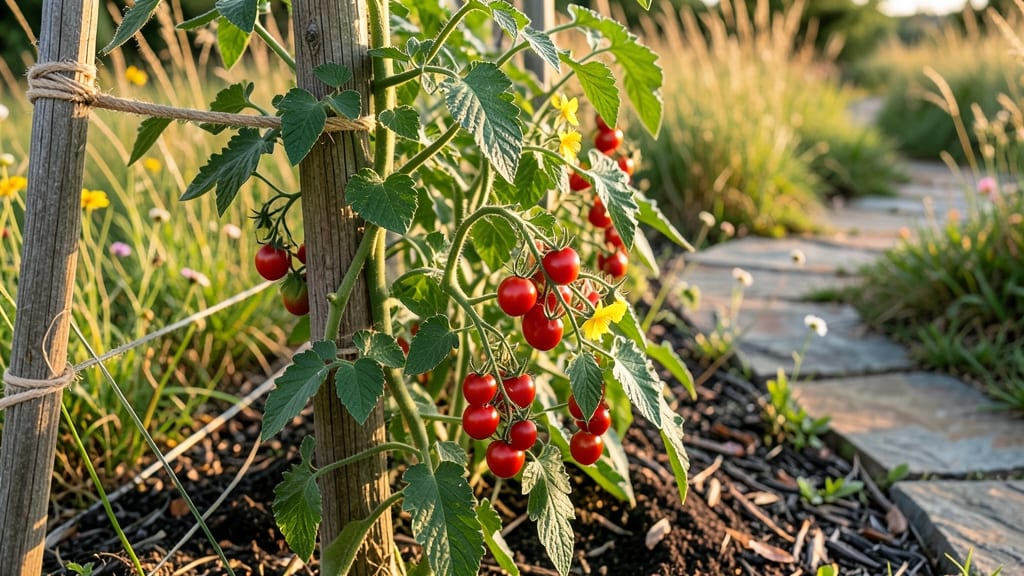
A cherry tomato plant’s how tall does a cherry tomato plant grow can range from just 1 foot to towering over 6 feet, depending on the variety and how you grow it — and knowing the difference is the key to fitting them into your garden.
If you’re dreaming of a bountiful cherry tomato harvest but worried about space, knowing the exact height of these plants is your first step to success.
Some varieties stay under 2 feet while others climb to 6 feet or more, making a big difference in how you plan your garden layout.
Determinate types like 'Tiny Tim' or 'Patio' stay compact, perfect for containers or small spaces, while indeterminate varieties like 'Sweet Million' or 'Super Sweet 100' keep growing until frost. The right support—like cages or trellises—can also stretch or contain their height, so you’re not stuck with sprawling vines.
In this guide, I’ll break down the height ranges of popular varieties, share space-saving tips, and show you how to maximize your harvest—whether you’ve got a tiny balcony or a full backyard.


Cherry tomato plant heights by variety: compact vs. vining types
Choosing the right cherry tomato variety depends heavily on your available space—some stay neatly compact while others grow into towering vines.
Understanding these differences helps you plan your garden layout and support structures effectively. Determinate varieties typically stay under 3 feet, making them perfect for containers or small gardens, while indeterminate types can reach 6+ feet without proper support.
I’ve grown both types in my garden, and the difference in space requirements is night and day. Compact varieties like Tiny Tim fit perfectly in 5-gallon buckets, while sprawling Sweet Million vines need sturdy trellises or cages to keep them contained.
Let’s break down the exact heights and space needs for popular varieties so you can pick the perfect fit for your growing area.
Here’s a quick comparison of dwarf, mid-height, and vining cherry tomato varieties, including their mature heights and ideal spacing. This table will help you visualize how each variety fits into your garden plan.
If you’re working with limited space, dwarf varieties like Micro Tom or Tiny Tim are game-changers. These stay under 2 feet and thrive in 5-gallon containers, making them ideal for urban balconies or windowsills.
I’ve even grown Micro Toms indoors year-round with grow lights, and they produce tiny but flavorful fruits continuously.
For mid-height options, Patio Princess and Sweet 100 strike a balance. They reach 2-4 feet and work well in raised beds or with simple cage supports. These are my go-to choices for small in-ground plots where I want a bit more yield without sacrificing space efficiency.
On the other hand, indeterminate varieties like Sweet Million and Sun Gold are the heavy hitters of the cherry tomato world. Without proper support, they’ll sprawl 6-8 feet across your garden, but with a sturdy trellis or stake, they produce abundant fruit all season long.
I recommend using galvanized wire cages or bamboo trellises for these varieties to save space and improve air circulation.
One common mistake I see is underestimating the sprawling nature of indeterminate varieties. Even if you love their prolific yields, failing to provide support can lead to broken stems or disease issues from poor airflow. Always plan for at least 6 feet of vertical space for these types, and consider
How to control cherry tomato plant height for small spaces
If your space is limited but you still want a cherry tomato harvest, controlling plant height is key. Without proper management, even compact varieties can sprawl, taking up precious garden real estate. The good news?
With the right techniques, you can train your plants to stay within 2-3 feet while maximizing yield. Whether you're using containers or vertical gardening, these methods will help you make the most of your small space.
Cherry tomato plants grow in two main forms: determinate (bush-type) and indeterminate (vining). Determinate varieties naturally stay shorter, often under 3 feet, while indeterminate types can reach 6 feet or more without support.
The key to managing height lies in pruning, trellising, and training—all of which I’ll break down step-by-step below to fit your space constraints.
- Step 1 Choose the right trellis: Use a 5-foot bamboo stake or a wire tomato cage for indeterminate varieties. For containers, opt for a small trellis net or a spiral stake to guide vines upward without taking up floor space.
- Step 2 Prune suckers regularly: Suckers are the small shoots that grow in the V-shape between the main stem and branches. Pinch them off with your fingers or pruners every 1-2 weeks to redirect energy to fruit production instead of vertical growth.
- Step 3 Train vines upward: Gently tie the main stem to the trellis or stake using soft plant ties or old fabric strips. Avoid wire or tight materials that can damage stems. For containers, use a small spiral trellis to keep vines compact.
- Step 4 Top the plant at the right time: Once your indeterminate cherry tomato reaches the top of your trellis (usually 4-5 feet), pinch off the top growth. This encourages the plant to produce more flowers and fruit on existing branches rather than growing taller.
- Step 5 Harvest frequently: Picking ripe cherry tomatoes regularly stimulates more production. Overripe fruit can signal the plant to slow down, so aim to harvest every 2-3 days during peak season to keep the plant focused on yielding.
For container gardening, choose dwarf or semi-dwarf varieties like 'Tiny Tim' or 'Balcony Red.' These stay under 2 feet and thrive in 5-gallon pots with proper support. If you’re growing in a vertical garden, use a wall-mounted trellis or hanging planters with built-in stakes to save even more space.
Remember, the goal isn’t just to control height—it’s to optimize airflow and reduce disease risk. Overcrowded plants suffer from poor circulation, leading to fungal issues like blight.
By keeping your cherry tomatoes trained and pruned, you’ll enjoy healthier plants, bigger yields, and a garden that fits perfectly in your space.
With these techniques, even a 6-foot indeterminate variety can be coaxed into a 3-foot vertical wonder. Start small, monitor your plants weekly, and adjust as needed. Before you know it, you’ll be harvesting cherry tomatoes from a space you once thought was too limited!