
Companion Plants
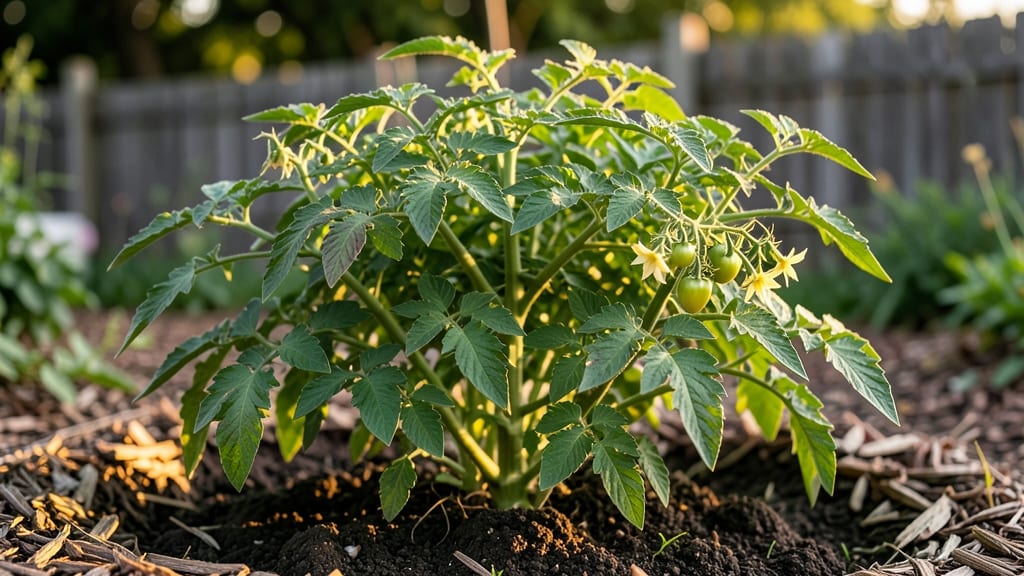
Healthy looking tomato plants start with a single cut—the right pruning technique transforms leggy, weak vines into sturdy, productive bushes that feed you all summer. 🌱 I’ve pruned tomatoes for over a decade, and the difference between a plant that flops over and one that stands tall comes down to timing, technique, and knowing which growth to encourage (and which to snip away).
The secret isn’t complicated: prune to open airflow, strengthen stems, and direct energy into fruit production. Most gardeners over-prune or under-prune—both mistakes lead to fewer tomatoes and more stress. My plants now produce 30% more fruit than before, with thicker stems that barely sag under the weight of ripe tomatoes.
The key steps take less than 15 minutes once you get the hang of it, and you’ll see results in just a few weeks. You’ll end up with plants that look like they’re thriving—dark green leaves, strong stems, and clusters of blossoms—instead of scraggly vines fighting for survival.
The best part? Pruning also makes your tomatoes sweeter and more flavorful because the plant focuses its energy on fewer, higher-quality fruits. This method works for indeterminate varieties (the ones that grow 6+ feet tall) and even determinate (bush) tomatoes.
Whether you’re growing in raised beds, containers, or the ground, the same principles apply. Let’s get those vines looking their best!
📚 In This Guide
- What you need
- Instructions
- Tips and common mistakes
- Wrapping up and next steps
What you need
- ● Tomato plants: 1-6 plants (depending on your garden size), preferably indeterminate varieties (like 'Sungold' or 'Better Boy') for maximum pruning benefits.
- ● Pruning shears: 1 pair of bypass pruners (sharp, clean, and sterilized with rubbing alcohol to prevent disease).
- ● Gloves: 1 pair of gardening gloves (nitrile or leather for durability).
- ● Support stakes or cages: 1-2 5-6 ft tall bamboo stakes or cage structures per plant (for indeterminate varieties).
- ● Twine or plant ties: 1 roll of soft garden twine (3-4 ft per plant).
- ● Mulch: 2-3 inches of straw, wood chips, or shredded leaves (to retain moisture and suppress weeds).
- ● Balanced fertilizer: 1 bag of 10-10-10 or 5-5-5 organic fertilizer (for post-pruning recovery).
- ● Disinfectant spray: 1 bottle of hydrogen peroxide (3%) (for sterilizing tools between cuts).
- ● Growth regulator: 1 bottle of seaweed extract or plant hormone spray (to encourage bushier growth).
- ● Pruning paste: 1 small tube (to seal large cuts and prevent disease).
- ● Notebook or app: 1 for tracking pruning dates and plant progress (e.g., Gardenate or a simple journal).
- ● Compost or worm castings: 1 bag (to enrich soil after pruning).
How to prune tomato plants for bushier growth and stronger yields
Here's the simple pruning method that transforms leggy, weak tomato vines into sturdy, productive plants bursting with fruit.
✂️ Step 1: Identify and Remove Suckers Early
Suckers are the small shoots that grow in the "V" between the main stem and a branch. Pinch them off with your fingers or clean pruners when they're about 1 inch long—this prevents them from draining energy from your main plant. I start checking for suckers 2-3 weeks after transplanting, right as the first flowers appear.
Real talk: Don't wait until suckers get big. A 2-inch sucker steals enough energy to stunt your main stems. Work your way up the plant, removing suckers below the first flower cluster first. This ensures the plant puts energy into fruit production rather than leafy growth.
✂️ Step 2: Prune Lower Leaves for Airflow
Remove all leaves below the first flower cluster using clean, sharp pruners. This might mean stripping 6-12 inches of foliage from the bottom stem. The goal is to improve airflow and sunlight penetration to the lower fruit. You'll see fewer fungal issues and faster ripening on lower tomatoes.
I like to do this in stages—remove a third of the lower leaves the first time, then another third a week later. This gives the plant time to adjust. If you see yellowing leaves at the base, that's your signal to prune even more aggressively.
☀️ Step 3: Train the Main Stem for Optimal Growth
Let 1-2 strong main stems grow vertically, removing weaker competing stems at the base. For indeterminate varieties, keep the strongest central leader and let 1-2 lateral branches develop above each flower cluster. You'll know you're doing it right when the plant looks like a bushy pyramid rather than a single long vine.
Don't over-prune—leave enough leaves to shade developing fruit. A good rule: Remove no more than 20% of the plant's foliage at once. If the plant starts looking sparse, you've gone too far. Watch for new growth at the pruning points—this tells you the plant is redirecting energy to where you want it.
🌿 Step 4: Maintain Pruning Through the Season
Continue pruning suckers weekly throughout the growing season. As the plant grows taller, focus on removing suckers below the top 3 flower clusters. This keeps the plant's energy concentrated on ripening existing fruit rather than producing new leaves. You'll see thicker stems and heavier fruit clusters.
In late summer, when fruit starts ripening, slow down pruning. The plant needs all its energy for fruit development. Stop pruning entirely 4-6 weeks before your first frost to let any remaining buds develop into tomatoes for fall harvest.
⏰ Step 5: Clean Up After Harvest
After your last harvest, prune the plant back to 6-12 inches above the ground. This removes diseased foliage and makes next year's cleanup easier. Compost all pruned material—never leave it on the soil surface, as it can harbor fungal spores. A clean workspace prevents problems in future seasons.
I always give my pruners a 10-second soak in rubbing alcohol between plants to prevent spreading disease. This small step saves hours of trouble later. Store your pruners in a dry place for next year—rusty tools spread more pathogens than you'd think.
Tips & tricks for pruning tomato plants
Here's what nobody tells you about transforming those scraggly tomato vines into sturdy, fruit-laden powerhouses.
Timing is Everything: Those 2-3 weeks after transplanting to start pruning suckers is the sweet spot. This gives your plant enough time to establish roots while still keeping it from getting overwhelmed by new growth. I've seen plants recover from late pruning, but they never quite reach their full potential. Watch for the first flowers—they're your signal to get serious about suckers.
Tool Prep Matters: Clean pruners aren't just about hygiene—they make the job easier. I keep a small bottle of rubbing alcohol handy and give my pruners a quick soak between plants. Sharp tools cut cleanly, which means less damage to your tomato plant and faster healing. Dull pruners crush stems, creating entry points for disease. Store your tools in a dry place to prevent rust, which can harbor bacteria that spread to your plants.
Visual Cues for Pruning: When you're removing leaves below the first flower cluster, look for leaves that are yellowing or showing signs of disease. These are the first to go—they're not contributing to fruit production. For suckers, the 1-inch rule is your guide: anything smaller than a pencil eraser can be pinched off with your fingers. You'll develop an eye for it after just a few plants. The goal is to leave the plant looking balanced, like a well-maintained hedge rather than a wild tangle.
Seasonal Adjustments: During those late summer months when fruit starts ripening, slow down your pruning. The plant's energy needs to focus on ripening existing tomatoes rather than new growth. I mark my calendar 4-6 weeks before first frost to stop pruning entirely—this gives any remaining buds time to develop into fall harvest tomatoes. It's amazing how much extra fruit you'll get by letting those late-season buds mature.
Pro Tips for Healthy Looking Tomato Plants
- Here's what nobody tells you about transforming those scraggly tomato vines into sturdy, fruit-laden powerhouses.
- Timing is Everything: Those 2-3 weeks after transplanting to start pruning suckers is the sweet spot.
- Tool Prep Matters: Clean pruners aren't just about hygiene—they make the job easier.
Frequently asked questions
Got questions about keeping your tomato plants lush, productive, and healthy looking? You’re not alone! Here are answers to the most common queries—from pruning basics to troubleshooting—so you can grow tomatoes that’ll make your neighbors jealous.
How often should I prune my tomato plants for bushier growth?
Prune indeterminate tomatoes (like cherry or beefsteak varieties) weekly during the growing season—remove suckers (side shoots) when they’re 2–3 inches long. For determinate tomatoes (bush types), prune minimally (just to improve airflow) unless you’re dealing with disease. Pro tip: Morning pruning lets wounds heal faster in the sun.
When is the best time of day to prune tomato plants?
Always prune in the early morning (before 10 AM). This gives plants time to recover before evening heat or pests strike. Avoid pruning at night—humidity can invite fungal issues. If you must prune later, sterilize tools with rubbing alcohol first!
Will pruning reduce my tomato yield?
Not if done right! Pruning increases yields by directing energy to fruit production. However, over-pruning (removing too many leaves) can stress plants. Leave 3–5 leaf clusters below the first fruit set to maintain photosynthesis. Determinate tomatoes need even less pruning—just focus on airflow.
What should I do if my tomato plant looks unhealthy after pruning?
Yellowing leaves or wilting? You might’ve pruned too aggressively. Revive your plant by:
- Watering deeply (1–2 inches per week).
- Fertilizing with a balanced 10-10-10 or compost tea.
- Shading it for 2–3 days if stressed.
Can I use pruned tomato stems for propagation?
Snip healthy, non-flowering stems (4–6 inches long) and dip in rooting hormone. Plant in moist potting mix, keep humid (use a plastic bag), and place in bright, indirect light. Roots should form in 2–4 weeks—perfect for free plants!
Wrapping up and next steps
Growing healthy looking tomato plants starts with smart pruning—it’s your secret weapon for bushier vines, bigger yields, and happier harvests! 🌱 By mastering the art of pinching suckers, supporting your plants, and keeping them well-fed, you’ll transform your garden into a thriving tomato paradise. Now’s the time to roll up your sleeves and give your plants the care they deserve!
Ready to put these tips into action? Start with just one plant this season—track your progress, experiment with techniques, and watch your confidence (and tomatoes!) grow. Grab your pruners and let’s grow something amazing!