
Vegetables
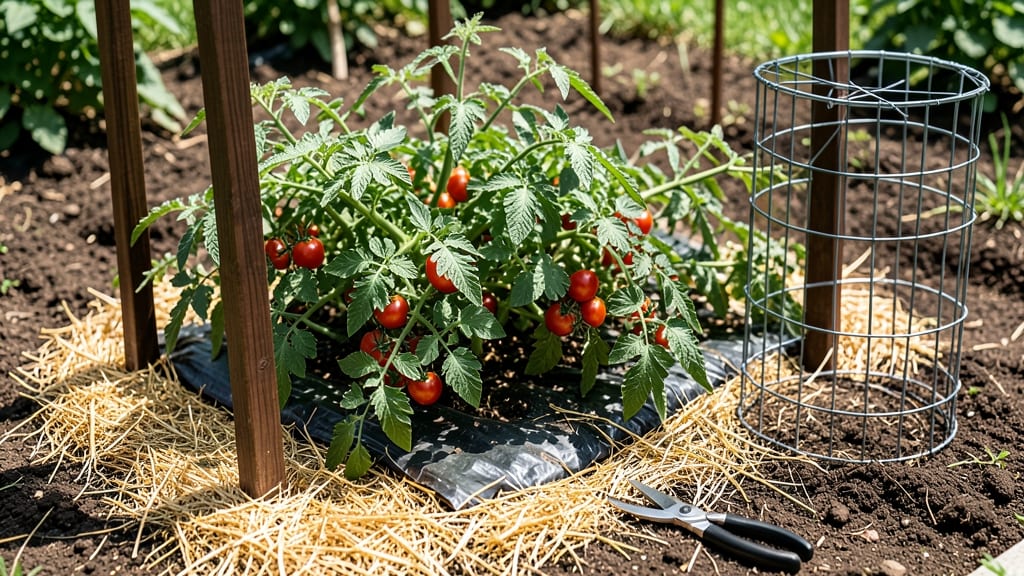
Choosing between determinate and indeterminate Gardeners Delight tomatoes depends on your harvest goals: determinate varieties grow as compact bushes with a single fruiting cycle, while indeterminate types produce continuously throughout the season with sprawling vines.
The Gardeners Delight tomato is determinate by nature, but understanding the difference between growth habits helps you plan your garden layout and harvest schedule. 🌱 Determinate plants stop growing after their main stem sets fruit, producing all their tomatoes in a concentrated period—ideal for canning or early-season harvests.
Indeterminate types, while not the Gardeners Delight variety, continue growing and fruiting until frost, requiring more space and support. This distinction impacts everything from spacing to staking needs, with determinate plants typically needing less vertical support and indeterminate varieties demanding trellises or cages.
For Gardeners Delight specifically, the determinate growth habit means you'll get a heavy crop all at once, which works well for preserving or selling at farmers' markets. The trade-off? You'll need to replant for a second harvest later in the season if you want continuous production.
This is why many gardeners grow both types—determinate for early abundance and indeterminate for extended fresh eating.
💡 In This Article
- How Determinate vs Indeterminate Gardeners Delight Tomatoes Grow
- Best Planting and Care Strategies for Gardeners Delight Tomatoes
How determinate vs indeterminate Gardeners Delight tomatoes grow
The defining difference between determinate and indeterminate tomatoes lies in their growth structure and hormonal regulation. Determinate varieties like Gardeners Delight develop a compact bush shape because they produce a terminal bud at the top of each main stem.
When this bud sets fruit, it signals the plant to stop growing vertically, redirecting energy to fruit development. This creates a self-supporting plant that typically reaches 3-5 feet tall with a 4-foot spread, making it perfect for garden beds without heavy staking.
Indeterminate tomatoes, while not the Gardeners Delight type, grow continuously throughout the season because they lack this terminal bud. Their vines can reach 6-12 feet or more if unchecked, producing flowers and fruit along the entire stem.
This continuous growth requires stronger structural support like trellises or cages, as the plants can weigh 20-30 pounds when fully loaded with fruit.
The root systems also differ—determinate varieties develop a shallower but wider root network (ideal for container growing), while indeterminate types send roots deeper to support their towering growth.
The flowering patterns reveal another key distinction. Determinate plants produce all their flowers in one flush, leading to a 3-4 week harvest window when conditions are perfect. This synchronized fruiting makes them ideal for canning or market sales where you need consistent production.
Indeterminate types, however, produce continuous flower clusters called trusses, with each cluster setting fruit that ripens 2-3 weeks apart. This staggered production extends the harvest season but requires more consistent care to maintain fruit quality.
Light exposure plays a critical role in these growth differences. Determinate plants thrive in full sun (6-8 hours daily) but benefit from afternoon shade in hot climates to prevent sunscald on fruit. Indeterminate varieties need at least 8 hours of direct sunlight to support their vigorous growth and continuous fruiting.
The leaf structure also differs—determinate plants have smaller, more densely packed leaves, while indeterminate types develop larger, more sprawling foliage that can shade lower fruit if not properly pruned and supported.
Consider these growth characteristics when planning your garden layout. Determinate plants like Gardeners Delight work beautifully in raised beds or containers with 18-24 inches of spacing between plants. Their compact nature makes them ideal for small gardens or urban farming.
Indeterminate varieties, while not the Gardeners Delight type, require 3-4 feet of vertical space and 2-3 feet of horizontal spacing to prevent disease spread and ensure proper airflow. This structural difference directly impacts your garden's productivity and maintenance requirements.
What most gardeners don't realize is how these growth habits affect fruit quality. Determinate varieties often produce smaller but more uniform fruit, perfect for slicing or canning. Indeterminate types typically yield larger, fewer tomatoes with more complex flavors that develop over time.
The Gardeners Delight's determinate nature means you'll get a bumper crop all at once, but you'll need to plan for post-harvest preservation to avoid waste. 🌿