
Plants
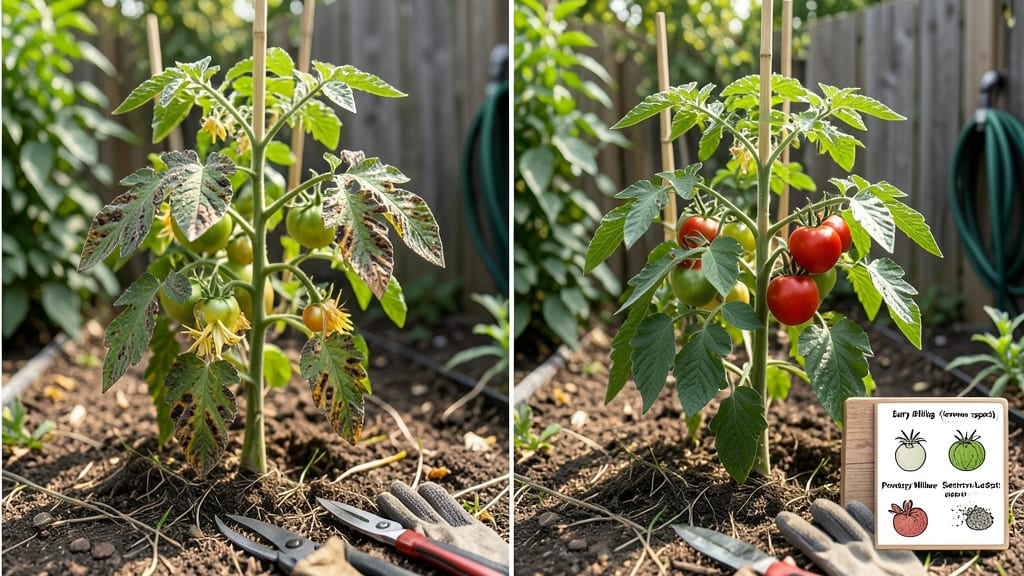
Fungal diseases in tomato plants turn vibrant green leaves into brown, withered messes within weeks—and I’ve lost entire harvests to them. 🌱 The good news? A simple preventative spray using everyday ingredients can stop outbreaks before they start, saving your plants and your sanity.
Most fungal infections begin with excess moisture on leaves, whether from overhead watering, dense foliage, or humid weather. Early blight shows as concentric rings on lower leaves, while late blight creates greasy-looking spots that spread rapidly.
Powdery mildew coats leaves in white dust, stunting growth. The key to prevention? Cultural fixes first—prune for airflow, water at the base, and remove infected debris immediately.
This spray recipe—baking soda, neem oil, and a touch of soap—creates a protective barrier that disrupts fungal spores without harming pollinators. Applied weekly during humid seasons, it keeps vines healthy and productive for the entire growing season. No more late-season panic or wasted tomatoes.
The best part? It’s sustainable, cost-effective, and works for other vegetables like peppers and cucumbers. Once you master this spray, fungal diseases become a non-issue—just another reason to enjoy that first ripe tomato of the year.
Root Causes Of Tomato Fungal Woes
Fungal diseases in tomato plants don’t strike randomly—they thrive when specific conditions align. Understanding these triggers is the first step to preventing outbreaks and keeping your garden lush and productive. Let’s break down the key factors that turn your tomatoes into a fungal buffet.
Fungal spores love moisture, and tomatoes are especially vulnerable when humidity levels creep above 75% for prolonged periods. Here’s why:
- Stagnant Air = Fungal Party 🎉 Poor airflow traps moisture on leaves, creating a damp, warm environment that fungi adore.
Diseases like early blight and late blight (caused by Phytophthora infestans) spread rapidly in these conditions. - Actionable Fix: Space plants 18–24 inches apart and prune foliage to improve air circulation. Use a fan on humid days to keep air moving.
- Morning Dew & Nighttime Dampness Dew clinging to leaves overnight provides the perfect breeding ground for spores. Fungi like powdery mildew (Erysiphe cichoracearum) germinate within hours of prolonged moisture. - Pro Tip: Water early in the day (before 10 AM) to allow foliage to dry quickly.
Drip irrigation or soaker hoses keep water off leaves entirely.
Tomatoes are thirsty, but too much water is a fast track to fungal infections. Here’s how excess moisture backfires:
- Root Rot’s Silent Invitation Waterlogged soil cuts off oxygen to roots, weakening plants and inviting root rot (Pythium or Phytophthora).
Weakened roots can’t support the plant, making it susceptible to above-ground fungi. - Solution: Use well-draining soil (mix in compost and perlite) and raise beds if your garden holds water. Test soil moisture—stick your finger in; if it’s damp 2 inches down, wait to water.
- Splashing Soil Borne Spores Overhead watering splashes fungal spores from the soil onto stems and leaves, kickstarting infections like Fusarium wilt or Verticillium wilt.
- Fix: Water at the base of the plant and avoid wetting leaves. Mulch with straw or wood chips to reduce soil splash.
A hungry tomato plant is a sick tomato plant. Fungal diseases exploit nutritional deficiencies like a vulture circling a weak animal. Key deficiencies to watch:
| Nutrient Deficiency | Fungal Risk | Symptoms | Quick Fix |
|---|---|---|---|
| Nitrogen (N) | Slowed growth → powdery mildew | Yellowing lower leaves, stunted growth | Apply compost tea or blood meal |
| Potassium (K) | Weak cell walls → early blight | Brown spots on lower leaves, weak stems | Use wood ash or banana peel tea |
| Calcium (Ca) | Blossom end rot → secondary infections | Dark, sunken spots on fruit | Spray calcium nitrate or side-dress with crushed eggshells |
- Pro Tip: Preventive feeding beats reactive sprays. Use a balanced fertilizer (10-10-10) every 3–4 weeks and foliar sprays with seaweed extract for stress resistance.
Fungal spores are everywhere—on old plant debris, infected clippings, and even your pruners. Here’s how they hitch a ride:
- Last Year’s Leftovers Leaving infected plant material (like tomato stems or leaves) in the soil over winter means spores survive to reinfect next season.
- Cleanup Crew: Remove all plant debris after harvest and solarize soil (cover with clear plastic for 4–6 weeks in summer) to kill spores.
- Dirty Tools = Disease Delivery System Pruners, stakes, and even gloves can transfer spores from one plant to another. Alternaria and Septoria leaf spot spread this way. - Sanitize Like a Pro: Wipe tools with 70% rubbing alcohol or a 10% bleach solution between uses.
For gloves, wash with hot, soapy water.
Tomatoes aren’t picky—they’ll share fungal diseases with neighboring susceptible plants. Common culprits:
- Potatoes (same Phytophthora pathogens as late blight)
- Peppers (shared Fusarium and Verticillium risks)
- Weeds (many host fungal spores; dandelions and chickweed are notorious)
- Spacing Strategy: Keep tomatoes at least 3 feet away from solanaceous plants (nightshade family). Interplant with fungal-resistant crops like marigolds or basil to disrupt spore cycles.
Fungal diseases often explode after hot, rainy periods.
Here’s the science: - Late Blight’s Favorite Conditions: 60–80°F temps + high humidity + overnight dew = perfect storm for Phytophthora infestans spores to germinate. - Early Blight’s Trigger: Warm, dry days followed by rain activates spores on old leaf debris, causing new infections.
- Forecast Defense: Monitor weather reports and apply preventative sprays (like copper fungicide) 48 hours before rain to create a protective barrier.
Key Takeaway: Fungal diseases in tomatoes are opportunistic—they exploit weak points in your garden’s defenses. By controlling moisture, airflow, nutrition, and hygiene, you starve them out before they even get started. Next up? Actionable sprays and remedies to keep your tomatoes fighting fit! 🍅💪
Quick Fixes for Fungal Woes
Fungal diseases can turn your tomato plants from lush and productive to wilted and sad—fast. But don’t panic! With the right approach, you can reverse the damage and prevent future outbreaks.
Below, we’ve mapped common fungal causes to practical solutions, including preventative sprays and long-term fixes to keep your tomatoes thriving.
1.
Blight (Early or Late) – The Classic Leaf Spot 🔥 Cause: Phytophthora or Alternaria fungi thrive in humid, wet conditions, especially after rain or overhead watering. 🍳 Fix It: - Remove infected leaves immediately (don’t compost them—toss in the trash). - Prune for airflow: Thin out crowded foliage to reduce humidity near the plants. - Copper-based fungicide spray (like Bordeaux mixture or copper soap)—apply every 7–10 days until new growth appears. - Water at the base only (never overhead) and avoid late-day watering (wet leaves overnight = fungal buffet).
💡 Pro Tip: Baking soda spray (1 tsp baking soda + 1 quart water + a drop of dish soap) can prevent early blight—test on a few leaves first!
2.
Powdery Mildew – The White Dusty Coat 🌡️ Cause: Erysiphe fungi love shady, dry conditions and crowded plants. 👨🍳 Treat It: - Neem oil spray (2 tbsp neem oil + 1 tsp mild soap + 1 quart water)—spray both sides of leaves and repeat every 5–7 days. - Reflectix sheets (or aluminum foil) behind plants to increase sunlight and reduce humidity. - Space plants 18–24 inches apart for better airflow. - Avoid nitrogen-heavy fertilizers (they encourage soft, mildew-prone growth).
✨ Prevention Hack: Milk spray (1 part milk to 9 parts water + a drop of soap) boosts plant resistance—use it weekly as a preventative!
3.
Root Rot – The Silent Killer 💀 Cause: Phytophthora or Pythium fungi drown roots in overly wet, compacted soil. 🔪 Emergency Fix: - Stop watering immediately—let the soil dry out completely before watering again. - Improve drainage: Mix perlite or coarse sand into the soil (1 part to 3 parts soil). - Repot infected plants in fresh, sterile potting mix (if container-grown). - Solarize the soil (cover with clear plastic for 4–6 weeks in hot sun) to kill fungi naturally.
🎯 Long-Term Defense:
- Raise beds or use containers with drainage holes.
- Mulch with straw (not wood chips—they hold too much moisture).
- Avoid overwatering—stick your finger in the soil; water only when the top 1–2 inches are dry.
4.
Anthracnose – The Dark Spot Destroyer 🍅 Cause: Colletotrichum fungi spread via spores in warm, humid weather and contaminated tools/seeds. 🥘 Stop the Spread: - Burn or bag all infected fruit and leaves (do not leave them in the garden). - Sterilize pruners with rubbing alcohol between cuts. - Apply a fungicide like chlorothalonil (follow label instructions) every 10–14 days. - Rotate crops—don’t plant tomatoes in the same spot for at least 3 years.
🔥 Hot Fix: Hydrogen peroxide spray (1 tbsp 3% H₂O₂ per quart of water) kills spores on contact—use early in the morning for best results.
The key to healthy tomato plants? Stop fungi before it starts! Here’s your fungal-fighting checklist:
| Do This ✅ | Avoid This ❌ |
|---|---|
| Water deeply but early (morning only) | Overhead watering or evening watering |
| Space plants for airflow (18–24" apart) | Crowding or tall, dense foliage |
| Rotate crops yearly (don’t replant tomatoes in the same spot) | Planting tomatoes in the same area repeatedly |
| Use disease-resistant varieties (e.g., ‘Mountain Merit’, ‘Defiant PhR’) | Ignoring seed packet labels |
| Clean up debris (remove fallen leaves/fruit) | Leaving plant waste in the garden |
| Test soil pH (aim for 6.0–6.8) | Letting soil become too acidic or alkaline |
💡 Bonus: Companion planting helps! Marigolds, basil, and garlic naturally repel fungi and attract beneficial insects.
By acting fast and staying proactive, you can save your tomato plants and keep your harvest healthy—no fungicide factory required! 🍅💪
Frequently asked questions
Why do my tomato leaves get brown spots even with regular watering?
Brown spots often signal early blight or late blight, caused by fungal spores thriving in humid conditions. Even with regular watering, overhead moisture or poor airflow creates perfect fungal breeding grounds. Check for concentric rings (early blight) or greasy-looking spots (late blight) and prune infected leaves immediately.
Can I use vinegar as a natural fungicide for tomato plants?
Undiluted vinegar can harm plants, but a 1:1 ratio of water to white vinegar (with a drop of dish soap) can help prevent fungal growth. Spray on leaves in the morning only—it’s acidic and may burn foliage in direct sunlight. For best results, alternate with neem oil or baking soda sprays.
How often should I apply preventative sprays like neem oil?
Apply neem oil or baking soda sprays every 7–10 days during humid seasons or after rain. For maximum protection, combine with copper fungicide every 2–3 weeks. Always spray in the early morning so leaves dry quickly, reducing fungal growth opportunities.
Will fungicides harm beneficial insects like bees?
Chemical fungicides can harm pollinators, but organic options like neem oil or copper sprays are safer when applied correctly. Spray after sunset or early morning when bees are less active, and avoid treating flowers directly. Always follow label instructions for minimal environmental impact.
Can I save a tomato plant with severe fungal infection?
If over 50% of the plant is infected, it’s often best to remove it completely to prevent spread. For early-stage infections, prune affected areas, improve airflow, and apply fungicides. Disinfect tools between cuts with rubbing alcohol to avoid cross-contamination.