
Vegetables
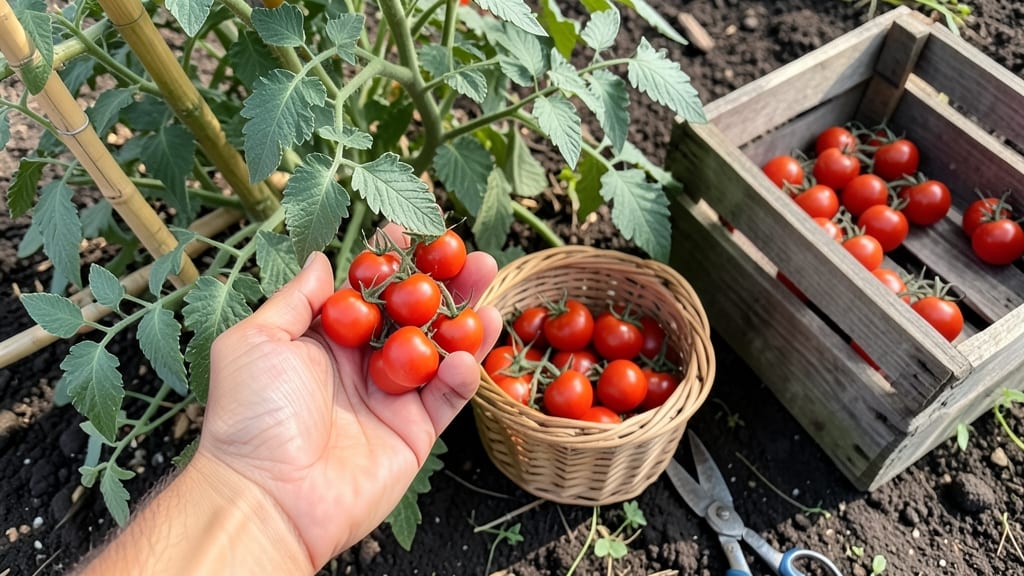
Storing cherry tomatoes in the fridge ruins their flavor—but there’s a better way. 🌱 I’ve saved hundreds of tomatoes from mealy mush by mastering the right storage tricks, and the secret starts with how you prep them before they even hit the fridge.
The key is keeping them dry, cool, and protected from bruising. A simple paper towel layer in a single layer inside a container prevents moisture buildup—the main enemy of crisp texture. For longer storage, consider vacuum-sealing or fermenting (yes, like pickles!) to preserve that sweet, juicy burst for months.
You’ll end up with tomatoes that stay firm, vibrant, and tasting fresh-picked for 2-3 weeks in the fridge or even longer with alternative methods. No more sad, wrinkled tomatoes—just perfect slices for salads, snacks, or sandwiches whenever you crave them.
Works for any variety and fits into any kitchen routine. Here’s how to do it right without the guesswork.
📚 In This Guide
- What you need
- Instructions
- Tips and common mistakes
- Wrapping up and next steps
What you need
- ● Cherry tomatoes – Fresh, unblemished (1 pint to 1 lb, depending on your needs)
- ● Paper towels – 2-3 sheets (for moisture control)
- ● Plastic container with lid – Air-tight, with ventilation holes (or a breathable bag) (e.g., Tupperware, reusable produce container)
- ○ Small paper or cloth bag – Optional but helpful for loose storage (e.g., mesh produce bag)
- ● Sharp knife or kitchen shears – For trimming stems (if needed)
- ○ Fine-mist spray bottle – For light moisture adjustments (optional)
- ● Silica gel packets – 1-2 packets (to absorb excess moisture)
- ● Vacuum sealer – For long-term storage (beyond 1 week)
- ● Wooden or bamboo crate – For room-temperature storage (if keeping them out of the fridge)
- ● Food-safe storage bags – With zip-top or twist-tie closures
- ● Humidity-controlled drawer – If your fridge has one (ideal for veggies)
Step-by-step instructions for storing cherry tomatoes longer
Here’s how to keep your cherry tomatoes fresh and flavorful for up to two weeks without sacrificing taste.
🌿 Step 1: Ripen at Room Temperature First
Before storing, let your cherry tomatoes ripen fully on the counter. Place them in a single layer on a tray or plate, stem-side down, in a spot with room temperature (68-72°F). This mimics their natural ripening process and prevents uneven softness. You’ll know they’re ready when they’re uniformly colored and slightly soft to the touch.
Don’t rush this step—it takes 3-5 days depending on how green they were when picked. If you’re impatient, a paper bag with an apple inside speeds things up by releasing ethylene gas, but skip this if you want to avoid bruising.
💧 Step 2: Prepare for Storage with a Gentle Wash
Give your tomatoes a quick rinse under cool water to remove any dirt or debris, then pat them dry with a clean towel. Residual moisture speeds up spoilage, so make sure they’re completely dry before handling. I like to spread them out on a kitchen towel and let them air-dry for 10-15 minutes—this also helps identify any soft spots that might rot faster.
If you notice a few bruised or soft tomatoes, remove them immediately. One bad one can spoil the whole bunch by releasing enzymes that accelerate decay in nearby fruit.
🪴 Step 3: Choose the Right Storage Container
Use a shallow, breathable container like a paper towel-lined plastic or glass dish. Avoid airtight containers—they trap ethylene gas, which makes tomatoes mealy and flavorless over time. Instead, opt for something with small holes or a loose lid that allows airflow. Line the container with a paper towel to absorb any excess moisture that forms during storage.
Arrange the tomatoes in a single layer, gently nestling them so they don’t touch each other. Overcrowding leads to faster spoilage, so don’t stack them. If you have a large batch, store them in two shallow containers rather than one deep one.
☀️ Step 4: Store in the Fridge with Care
Place the container in the crisper drawer of your fridge, where the temperature hovers around 38-42°F. This slows down ripening and decay without freezing them. Check on them after 3 days—if any tomatoes feel overly soft or develop mold, remove them right away to prevent the rest from spoiling.
I like to leave them in the fridge for up to 10-14 days, but taste one after a week to check for quality. If they’re still firm and flavorful, they’re good to go. If they’ve lost their sweetness or feel mushy, use them up quickly in salads or sauces.
⏰ Step 5: Revive and Use Stored Tomatoes
When you’re ready to use your stored tomatoes, take them out of the fridge 30 minutes before serving to let them warm up slightly. Cold tomatoes can make salads and sandwiches taste bland. If they’ve lost some of their snap, give them a quick soak in ice water for 5 minutes to firm them up again.
Use them in recipes where texture isn’t critical—like sauces, salsas, or blended soups—where their extended shelf life won’t be noticeable. For fresh eating, prioritize the ones that look and feel the freshest first.
Tips & tricks for perfect cherry tomato storage
Took me years to figure out these little tricks that make all the difference when keeping cherry tomatoes fresh for weeks.
Ripening Secret: The 3-5 day ripening time at 68-72°F is non-negotiable for flavor. I've tried skipping this step with green tomatoes, and they always end up mealy in the fridge. Place them stem-side down to prevent stem rot—this small detail keeps them fresher longer. If you're in a hurry, the paper bag with an apple trick works, but only use it for 12-24 hours max to avoid bruising.
Drying Technique: That 10-15 minute air-dry after washing is where most people mess up. I've ruined batches by skipping this step—wet tomatoes develop mold within days. Spread them on a clean kitchen towel in a single layer and let them dry completely before storing. This also helps you spot any already soft tomatoes that should be removed immediately.
Container Wisdom: The shallow container with paper towels isn't just about airflow—it's about moisture control. I've tried airtight containers and always end up with soggy, flavorless tomatoes. A simple plastic or glass dish with holes or a loose lid works perfectly. For extra insurance, I add an extra paper towel on top of the tomatoes to absorb any condensation that forms during storage.
Quality Check: After the 3-day fridge check, I do a simple test—squeeze one tomato gently. If it feels firm but yields slightly (like a ripe avocado), it's still good. If it's rock hard or mushy, it's time to use it up. This quick check prevents wasting perfectly good tomatoes while catching the bad ones early.
Pro Tips for Cherry Tomato Storage
- Took me years to figure out these little tricks that make all the difference when keeping cherry tomatoes fresh for weeks.
- Ripening Secret: The 3-5 day ripening time at 68-72°F is non-negotiable for flavor.
- Drying Technique: That 10-15 minute air-dry after washing is where most people mess up.
Frequently asked questions
How long can cherry tomatoes stay fresh in the fridge?
With proper storage, cherry tomatoes last about 1–2 weeks in the fridge. Place them in a paper towel-lined container or a breathable bag to prevent moisture buildup. Avoid washing until ready to eat—excess water speeds up spoilage. Pro tip: Check for soft spots weekly to catch early spoilage!
Can I store cherry tomatoes at room temperature?
Yes, but only for 2–3 days at most. Keep them in a cool, dry place (like a pantry) away from direct sunlight. Room-temperature storage works best for unripe tomatoes—they’ll ripen faster. Once ripe, refrigeration is key to extend freshness. Warning: Storing them too long at room temp risks mold or mealiness.
What’s the best way to revive soft or wrinkled cherry tomatoes?
If your tomatoes are slightly soft but not moldy, try this: Place them in a single layer on a paper towel in the fridge for 24 hours. The dryness helps firm them up. For wrinkled but firm tomatoes, soak in ice water for 10 minutes to plump them—drain and pat dry before using. Note: Overly mushy or fermented-smelling tomatoes should be discarded.
Can I freeze cherry tomatoes for later use?
Freezing works best for cooked uses (like sauces or salsas). Wash, dry, and blanch for 30 seconds in boiling water, then ice bath to stop cooking. Drain and freeze in a single layer before transferring to bags. Avoid freezing whole for salads—they’ll turn mushy. Bonus: Frozen tomatoes are perfect for soups or roasted dishes!
What’s the difference between storing cherry tomatoes vs. regular tomatoes?
Cherry tomatoes are more delicate than beefsteak or Roma varieties. They don’t ripen well off the vine, so refrigerate them immediately after purchase if they’re already ripe. Regular tomatoes last longer at room temp but can be stored in the fridge once ripe. Key rule: Never refrigerate unripe tomatoes—they’ll never soften properly!
Wrapping up and next steps
Storing cherry tomatoes the right way keeps them fresh, flavorful, and ready for your next meal—whether it’s a quick salad 🥗 or a vibrant pasta dish! Remember, room temperature works best for short-term freshness, while the fridge (or a paper bag) helps extend their life without sacrificing taste.
With these simple tips, you’ll waste less and enjoy more of their juicy goodness.
Now that you’re a cherry tomato storage pro, put your knowledge to use! Next time you bring them home, grab a paper bag or a breathable container and give it a try. Your future self (and your taste buds) will thank you! 🌟