
Tools
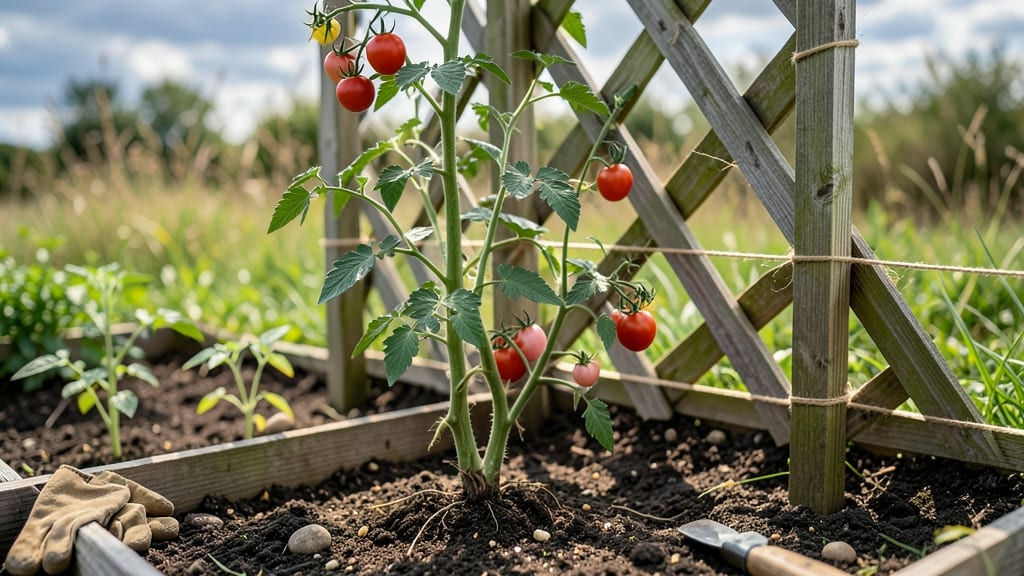
Building a tomato trellis transforms your garden from sprawling chaos to a neat, high-yielding vertical display. 🌱 I learned the hard way—last summer’s tomatoes flopped everywhere, smashing on the ground and inviting pests. This simple structure keeps plants healthy, makes harvesting easier, and doubles your harvest space.
You don’t need fancy materials: sturdy wooden stakes, bamboo poles, or even repurposed metal pipes work. A 6-foot teepee or A-frame trellis gives tomatoes room to climb while keeping them off the soil. For smaller spaces, a single 8-foot stake with twine works perfectly—just tie stems gently as they grow.
The payoff? Cleaner plants, fewer diseases, and fruit that ripens faster. No more digging through vines to find tomatoes—just reach up and pick. Plus, your neighbors will ask how you grew so much in such a small plot.
Start with one trellis this season, and you’ll wonder how you ever grew tomatoes any other way. Here’s how to build it right the first time.
📚 In This Guide
- What you need
- Instructions
- Tips and common mistakes
- Wrapping up and next steps
What you need
- ● Trellis Frame: 4-6 T-posts (5-6 ft tall, galvanized for durability) OR
- ● 4-6 wooden posts (4x4 or 6x6, pressure-treated, 6-8 ft long)
- ● Support Structure: 4-6 horizontal crossbars (2x4 or 1x6 lumber, 4-6 ft long)
- ● 4-6 diagonal braces (2x4 lumber, cut to fit your design)
- ● Trellis Fabric or Mesh: 1 roll heavy-duty garden netting (1/2" or 1" mesh, 4x50 ft) OR
- ● 1 roll plastic trellis netting (3x50 ft, UV-resistant)
- ● Fasteners: Galvanized nails or screws (2.5-3" deck screws or exterior-grade nails)
- ● Zip ties or twist ties (for securing netting)
- ● Measuring tape
- ● Hammer or drill/driver
- ● Post hole digger or auger
- ● Level (to ensure your trellis stands straight!)
- ● Ladder (if working with tall posts)
- ● Scissors or utility knife (for cutting netting)
- ● Cinder blocks or concrete (to anchor posts for wind resistance)
- ● Paint or stain (to match your garden decor)
- ● Adjustable trellis clips (for easy netting attachment)
- ● Drip irrigation kit (to keep plants hydrated at the vine level)
- ● Pruning shears (for trimming vines as they grow)
Step-by-Step instructions for building a tomato trellis
Here's my go-to method for creating sturdy, space-saving trellises that keep tomatoes thriving and your garden tidy.
🪴 Step 1: Gather Materials and Tools
For a 4-plant trellis system, you'll need 4 tall stakes (6-8 feet each), 10-12 feet of strong twine or garden twine, 4-6 feet of wooden lattice or chicken wire (optional), and a hammer or mallet. I like using bamboo stakes for their natural strength and rustic look, but galvanized metal stakes work just as well for longer-lasting support.
Check your stakes for straightness before using them—any bends will cause your trellis to lean. If you're using lattice or chicken wire, cut it to match the height of your stakes. This optional material gives vines extra surface area to cling to, reducing the need for constant tying.
✂️ Step 2: Position and Install Stakes
Plant your stakes 1-2 feet from each tomato plant, driving them 12-18 inches deep into the soil. Use a mallet for gentle but firm taps—you want them stable enough to support a 20-pound fruit load without wobbling. For 4 plants, arrange stakes in a square or rectangular pattern to create a sturdy frame.
If your soil is rocky or hard to penetrate, dig a small hole first to seat the stake properly. The top of each stake should extend at least 2 feet above your tallest tomato variety—this gives vines plenty of room to climb without overcrowding. Tap stakes firmly until they don’t budge when pushed gently at the base.
🌱 Step 3: Create the Trellis Framework
Tie the tops of all stakes together with twine, creating a square or rectangular frame about 12 inches below the stake tops. This forms the upper support layer where vines will eventually reach. For extra stability, add a second horizontal twine layer about 18 inches below the first—this gives vines multiple points to anchor as they grow.
If using lattice or chicken wire, attach it vertically to one side of the frame with twine, leaving 6-12 inches of space between the lattice and the stake. This creates a climbing surface for indeterminate varieties like 'Sungold' or 'Brandywine'. For determinate tomatoes (like 'Roma'), a simple two-tiered twine system is all you need.
💧 Step 4: Train Vines as They Grow
Once your tomato plants reach 12-18 inches tall, gently tie the main stem to the lowest twine layer using soft plant ties or strips of old T-shirt. Avoid wire or plastic ties—they can girdle stems as vines thicken. Check ties every 7-10 days and loosen if they feel tight; you want just enough support to keep stems upright without restricting growth.
As vines grow taller, guide them upward toward the next twine layer, securing them when they reach 6-12 inches below it. For indeterminate varieties, prune suckers (side shoots in the leaf axils) to encourage upward growth and reduce disease risk. You’ll know your trellis is working when vines spread evenly across the framework instead of sprawling on the ground.
☀️ Step 5: Maintain and Adjust Through the Season
After heavy rains or winds, check stake stability—loosen soil around the base if stakes feel loose. Replace any broken twine immediately with fresh material to prevent vines from slipping. If your tomatoes are heavy-fruited varieties (like 'Beefsteak'), add extra horizontal supports mid-season to distribute weight evenly.
By late summer, your trellis should look like a living lattice of vines and fruit. Prune yellowing or diseased leaves to improve airflow, and harvest regularly to keep plants producing. With proper support, your tomatoes will grow straighter, stronger, and far less prone to soil-borne diseases than ground-planted varieties.
Tips & tricks for perfect tomato trellis construction
Here's what I've learned from years of trial and error—these tricks will help you build a trellis that lasts all season.
Stake Selection: Bamboo stakes are my go-to because they're lightweight yet strong enough to handle indeterminate varieties like 'Sungold'. If you choose metal stakes, look for galvanized ones—they won't rust as quickly. For heavy-fruited tomatoes (like 'Beefsteak'), I recommend driving stakes 18 inches deep rather than the minimum 12 inches to prevent leaning, especially in windy conditions.
Framework Stability: When creating your two-tiered twine system in Step 3, use three knots at each connection point instead of two. This prevents the twine from slipping under the weight of growing vines. For extra security, I like to wrap the twine around the stakes twice before tying—this creates a more durable anchor point that won't come undone when vines get heavy.
Vine Training: In Step 4, when training vines to climb, use soft fabric ties (like old T-shirt strips) instead of wire or plastic. These stretch as vines thicken, preventing the girdling that can strangle stems. I check my ties every 7-10 days and loosen them if they feel tight—you want just enough support to keep stems upright without restricting growth. This simple maintenance keeps your plants healthy all season.
Seasonal Maintenance: After heavy rains, I always check stake stability by gently pushing at the base—if they wobble, loosen the surrounding soil and firm them up. For indeterminate varieties, I add a third twine layer mid-season (around 24 inches below the top) to give vines more support as they continue growing. This extra layer prevents vines from sagging under the weight of fruit, keeping everything neat and accessible for harvesting.
Pro Tips for Building A Tomato Trellis
- Here's what I've learned from years of trial and error—these tricks will help you build a trellis that lasts all season.
- Stake Selection: Bamboo stakes are my go-to because they're lightweight yet strong enough to handle indeterminate varieties like 'Sungold'.
- Framework Stability: When creating your two-tiered twine system in Step 3, use three knots at each connection point instead of two.
Frequently asked questions
Got questions about building the perfect tomato trellis? You’re not alone! Here are answers to the most common ones to help you grow like a pro.
What’s the best material for a tomato trellis?
A tomato trellis can be made from wood, metal, PVC pipes, or even sturdy branches. Wood (like cedar or pine) is budget-friendly and easy to work with, while metal or PVC offers durability and rust resistance. Choose based on your garden’s needs—heavy vines may need stronger supports!
When should I build a tomato trellis?
Install your trellis before planting tomatoes—ideally 2–3 weeks ahead. This gives roots time to establish near the support. If you’re retrofitting, set it up as soon as seedlings are 6–8 inches tall to avoid disturbing mature plants later.
Can I use a tomato cage instead of a trellis?
Yes! Tomato cages are a great alternative for determinate (bush) tomatoes, but they’re less ideal for indeterminate (vining) varieties, which need taller, open supports. Cages can also get crowded in small spaces—trellises maximize airflow and space efficiency.
How do I keep tomato plants from falling over on a trellis?
Use soft ties (like old T-shirts, twine, or Velcro strips) to gently secure vines to the trellis as they grow. Avoid tight knots that can damage stems. Prune suckers (side shoots) regularly to encourage upward growth and reduce weight on the trellis.
What if my trellis isn’t strong enough for my tomatoes?
If vines sag or the trellis bends, reinforce it immediately. Add stakes or crossbars for extra support, or upgrade to thicker materials (like 2x4s or metal poles). For heavy varieties (e.g., beefsteak tomatoes), space trellises 3–4 feet apart and bury supports 12 inches deep for stability.
Wrapping up and next steps
Building a tomato trellis is a simple yet rewarding project that transforms your garden into a space-saving powerhouse!
With just a few materials and a little creativity, you’ll create the perfect vertical haven for your tomatoes to thrive. Now that you’re armed with the know-how, it’s time to roll up your sleeves and get growing!
Start by gathering your supplies, sketching a quick plan, and watch your tomato plants climb to new heights—literally! Once your trellis is up, enjoy the benefits of healthier plants, easier harvesting, and a stunning garden display. Happy building, and here’s to a bountiful harvest ahead! 🌱✨