
Planting
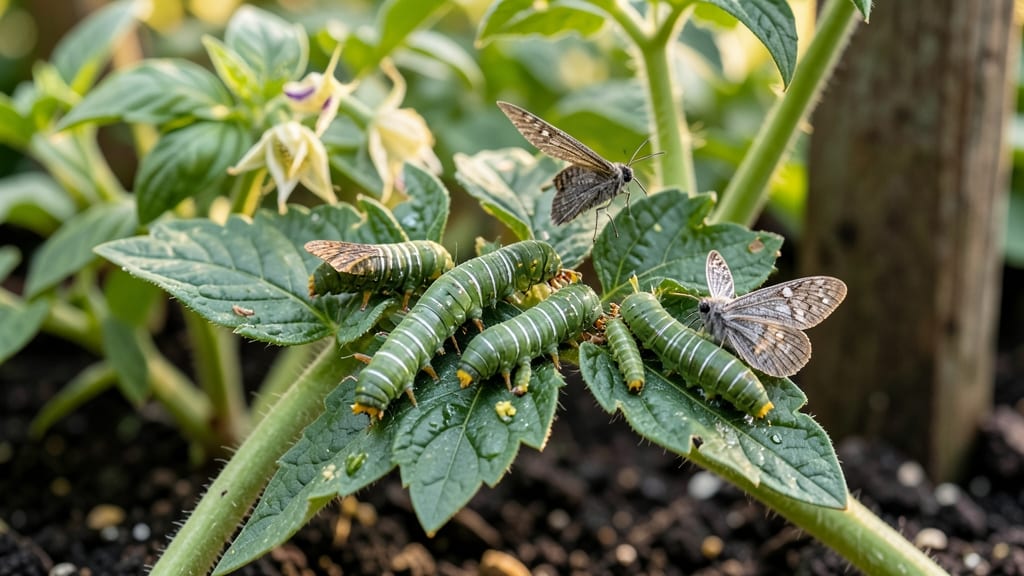
Bugs eating your tomato leaves aren’t just annoying—they’re stealing your harvest before it even ripens. 🌱 I’ve lost entire plants to ravenous hornworms and aphid swarms, but I’ve also saved others with a foolproof organic spray barrier that works in hours, not days.
The key? Stopping pests before they get comfortable.
Most gardeners panic and grab chemical sprays, but those disrupt ecosystems and often fail against determined pests. Instead, I focus on physical barriers (like floating row covers) and targeted organic sprays—think neem oil or insecticidal soap—that smother pests without harming bees or soil.
You’ll spot the damage first: chewed leaves, sticky residue (aphids), or fine webbing (spider mites).
Within 24 hours of applying the right spray, you’ll see pests drop off or retreat. Your plants will start recovering almost immediately, and the barrier keeps new invaders from moving in. The best part? No more guessing—just visible results by morning. Here’s exactly how to mix and apply it.
This method works for container tomatoes, raised beds, and in-ground gardens, whether you’re dealing with hornworms, aphids, or mites. No more helplessly watching your plants get stripped bare—just real protection that actually stops the damage. Let’s get your tomatoes back on track.
Root Causes Of Leaf Damage
When you spot bugs munching on your tomato leaves, it’s rarely just bad luck—it’s usually a mix of environmental cues, plant stress, and the natural behavior of hungry pests.
Understanding why these critters target your tomatoes is the first step to stopping them. Let’s break down the science behind their appetite.
Tomato plants release chemical signals when stressed, and some bugs are drawn to these distress calls. Here’s how it works:
- Nutrient Imbalance: Over-fertilizing with nitrogen (especially synthetic types) makes leaves soft and sweet—like an all-you-can-eat buffet for pests like aphids and spider mites. Think of it as a plant’s version of junk food cravings.
- Water Stress: Underwatering or overwatering disrupts the plant’s natural defenses. Bugs like hornworms and flea beetles thrive in stressed plants because their immune systems are compromised, making them easier targets.
- Sunburn or Shade Stress: Too much direct sun (especially in hot climates) or insufficient light weakens leaves, making them more vulnerable to chewing insects like Colorado potato beetles.
Actionable Fix: Test your soil’s pH and nutrient levels (aim for 6.0–6.8 pH and balanced NPK). Use compost tea or fish emulsion to boost natural defenses without overfeeding.
Bugs don’t just appear out of nowhere—they’re often invited by your garden’s ecosystem. Here’s how their numbers spiral:
| Pest | Trigger | Why They Attack |
|---|---|---|
| 🐜 Aphids | New growth, warm weather | Cluster to feed on sap, which is sweeter in young leaves and attracts ants (their bodyguards). |
| 🦋 Tomato Hornworms | Lack of natural predators (birds, wasps) | Munch 20+ leaves per day because they’re protein-hungry caterpillars with no fear of small predators. |
| 🐞 Flea Beetles | Dry, sandy soil | Jump onto plants after emerging from drought-stressed soil, chewing tiny holes to access moisture. |
| 🕷️ Spider Mites | Low humidity, dusty leaves | Thrive in dry conditions because their tiny bodies lose moisture quickly—so they pierce leaves to stay hydrated. |
Actionable Fix: Disrupt their life cycle by introducing beneficial insects (ladybugs for aphids, parasitic wasps for hornworms) or using row covers early in the season to block adults from laying eggs.
Your garden might be an unintentional bug hotel. Pests love environments with:
- Shelter: Weedy areas, dense mulch, or unpruned plants give bugs hiding spots to avoid predators and pesticides.
- Moisture: Overhead watering keeps soil damp, which attracts slugs and fungus gnats. Drip irrigation keeps leaves dry, making it harder for pests to thrive.
- Food Diversity: Planting tomatoes near basel plants like basil or marigolds can attract pests away—but if you have monoculture rows, bugs stay put because the buffet never ends.
Actionable Fix: Rotate crops yearly and remove plant debris (especially after harvest). Use reflective mulch (like aluminum foil) to confuse flying pests like whiteflies.
Pro Tip: 💡 Healthy soil = healthier plants. Amend your garden with mycorrhizal fungi or worm castings to improve root resilience—bugs are far less likely to target a plant that’s already thriving!
Quick Fixes for Leaf-Loving Pests
Now that you know the culprits behind those disappearing tomato leaves, let’s tackle the problem head-on with practical, organic solutions tailored to each pest. These methods are designed to work fast while keeping your garden—and your tomatoes—thriving without harsh chemicals.
Hornworms are the heavy hitters of tomato leaf destruction, but they’re also the easiest to spot (and squish!). Here’s how to evict them for good:
🔥 Immediate Action: Manual Removal
- 👨🍳 Hunt at dawn or dusk when they’re most active. Wear gloves and pluck them off by hand—drop them into soapy water to ensure they don’t regrow.
- 🥘 Check the undersides of leaves and along stems.
Hornworms love to hide in plain sight!
🌿 Long-Term Prevention
- 💡 Introduce hornworm predators: Ladybugs, parasitic wasps (like Cotesia congregata), and lacewings are natural allies.
Attract them with dill, fennel, or marigolds planted nearby. - 🎯 Use row covers early: If you’re planting tomatoes, cover seedlings with floating row fabric until they’re established (hornworms can’t chew through it). - 🌡️ Rotate crops: Avoid planting tomatoes, peppers, or eggplants in the same spot yearly—this disrupts hornworm life cycles.
Aphids cluster on new growth, leaving leaves curled, sticky, and weakened. They multiply fast, so act quickly!
🍳 DIY Organic Spray (Works in Hours!)
Mix 1 quart of water + 1 tbsp dish soap + 1 tbsp neem oil in a spray bottle. 🔪 Blast aphids directly (they’ll drop off or die within 24 hours). Reapply every 3–4 days until gone.
🌿 Natural Traps & Barriers
- 💡 Yellow sticky traps: Hang them near plants to catch flying aphids.
- 🌡️ Blasts of water: Spray aphids off with a strong hose stream (do this in the morning so leaves dry quickly).
- 🎯 Companion plants: Garlic, chives, or basil repel aphids—plant them alongside tomatoes.
These striped beetles and their larvae are tomato plant wrecking machines. They’re tough but beatable!
🔪 Physical Barriers & Traps
- 👨🍳 Handpick adults and larvae (drop them in soapy water). Check under leaves and soil—they burrow to hide.
- 🥘 Collars or row covers: Use cardboard collars around stems or floating row fabric to block beetles from reaching leaves.
🌿 Organic Sprays & Prevention
- 💡 Kaolin clay spray: Mix 1 tbsp kaolin clay + 1 quart water + a drop of soap.
This coats leaves, making them unappetizing to beetles. - 🌡️ Crop rotation: Don’t plant tomatoes or potatoes in the same spot for 3+ years—beetles overwinter in soil. - 🎯 Attract ground beetles: They eat beetle eggs! Keep mulch minimal to encourage their presence.
These slimy pests leave large, irregular holes and slime trails. They’re most active after rain or at night.
🍳 DIY Traps & Barriers
- 👨🍳 Beer traps: Bury a shallow dish filled with beer near plants. Slugs crawl in and drown—empty and refill every 2 days.
- 🥘 Copper tape: Wrap it around pots or create a copper barrier in the soil.
The mild electric shock repels them. - 🔪 Egg cartons or boards: Flip them over near plants—slugs hide underneath during the day. 🔪 Crush them in the morning!
🌿 Prevention Tips
- 💡 Remove hiding spots: Clear debris, rocks, and thick mulch where slugs lurk.
- 🌡️ Water in the morning: Slugs are less active during the day, so avoid evening watering.
- 🎯 Diatomaceous earth: Sprinkle food-grade DE around the base of plants (reapply after rain).
It’s harmless to you but deadly to slugs.
No matter the pest, these universal tips will help keep your tomato plants healthy and leafy:
- 💡 Inspect plants daily: Catch problems early before they spiral.
- 🌡️ Healthy soil = strong plants: Use compost and balanced fertilizer to boost plant resilience.
- 🎯 Diversity is key: Plant marigolds, nasturtiums, or basil to confuse pests and attract beneficial insects.
- ✨ Rotate planting spots: Prevents soil-borne pests and diseases from building up.
Pro Tip: If you’re dealing with multiple pests, combine methods—like spraying neem oil for aphids while handpicking hornworms and setting beer traps for slugs. Consistency is key! 🚀
Frequently asked questions
What are the most common bugs that eat tomato plant leaves?
The worst offenders are hornworms (green caterpillars that devour leaves overnight), aphids (tiny clusters that leave sticky residue), and flea beetles (tiny black beetles creating pepper-like holes). Spider mites and slugs also cause significant damage, but they leave different signs—fine webbing or large chewed areas.
How do I tell if my tomato leaves are damaged by bugs or disease?
Bug damage has irregular edges (aphids curl leaves, hornworms leave large holes), while disease damage is usually uniform (yellow spots, powdery mildew). Check for pests first—look under leaves for eggs or tiny bugs. If you see slime trails or holes with frass (bug poop), it’s definitely pests.
Will neem oil really work on all these bugs?
Neem oil is effective against aphids, spider mites, and whiteflies but has limited impact on hornworms or beetles since they’re larger. For those, combine neem oil with manual removal or row covers. Always mix it with a drop of dish soap (1 tsp per quart) to help it stick to leaves.
Can I use coffee grounds to stop bugs from eating my tomato leaves?
Coffee grounds help repel slugs and snails (their scent deters them) but won’t stop chewing insects like hornworms or beetles. For best results, sprinkle grounds around the base of plants and mix them into the soil—this also improves drainage. Pair it with neem oil sprays for a two-pronged defense.
How often should I check my tomato plants for bugs?
Inspect your plants every 2-3 days during warm weather (when pests multiply fastest). Focus on new growth, undersides of leaves, and stems—these are where bugs hide. Early detection means you can act before damage spreads. Morning checks work best since many pests are sluggish in the heat.