
Companion Plants
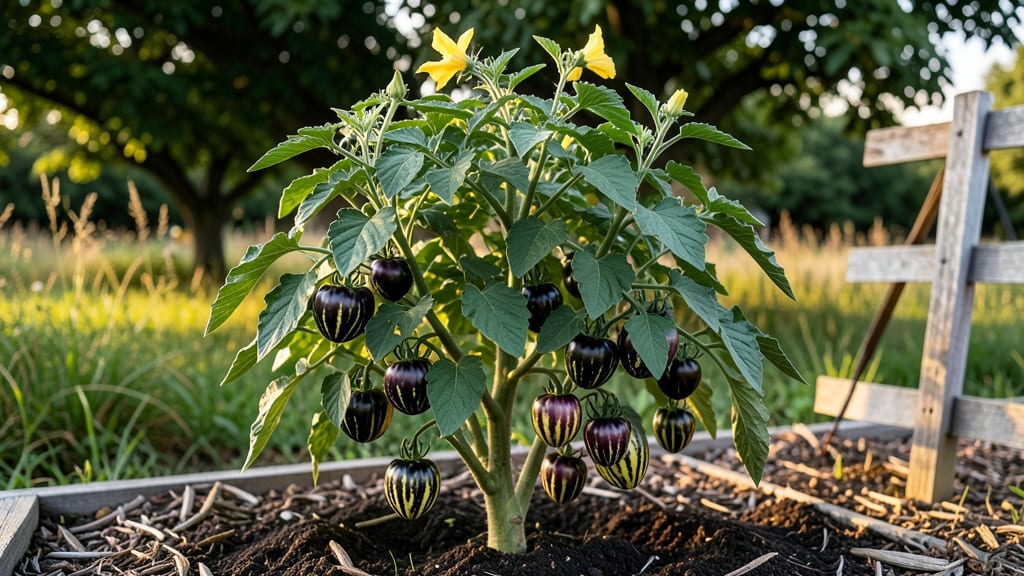
Growing Black Zebra tomato plants delivers a harvest that looks like edible art—deep purple-black stripes with a sweet, smoky flavor that keeps you reaching for seconds. 🌱 I planted mine last spring, and by midsummer, the plants were heavy with fruit that made every bite taste like a summer vacation.
The secret isn’t complicated: these tomatoes thrive when you match their love of warmth with just the right balance of water and nutrients.
Start with rich, well-draining soil mixed with compost—they hate soggy roots—and choose a spot where they’ll get 6-8 hours of full sun daily. A sturdy cage or trellis keeps those striped beauties off the ground, and consistent watering (about 1-2 inches per week) prevents cracking.
The flavor? Rich, smoky, and just slightly tangy—nothing like store-bought tomatoes.
You’ll see your first fruits in 70-85 days, and with proper care, each plant can produce 10-20 pounds of those dramatic, flavor-packed tomatoes. The key is regular pruning to focus energy on fruit production, and watching for early signs of blight or pests—act fast, and you’ll protect your harvest.
Perfect for containers or in-ground beds, these tomatoes adapt well to most climates (zones 5-10). Whether you’re growing for show or taste, Black Zebras deliver—with minimal fuss and maximum reward. Ready to try them?
📚 In This Guide
- What you need
- Instructions
- Tips and common mistakes
- Wrapping up and next steps
What you need
- ● Black Zebra tomato seeds or seedlings – 3–5 plants (or 1–2 per container if growing in pots). Look for Solanum lycopersicum ‘Black Zebra’ varieties.
- ● Well-draining potting mix or garden soil – 5–10 gallons per plant (or a 5-gallon container for container gardening). Mix in compost (1 part compost to 3 parts soil) for nutrients.
- ● Sunny growing location – Full sun (6–8+ hours daily) in a sheltered spot (tomatoes hate wind!).
- ○ Tomato cages or stakes – 5–6 ft tall (1 per plant to support vines). Optional: Use trellises for vertical growth.
- ● Balanced fertilizer – 10-10-10 or organic options like fish emulsion (follow package rates).
- ● Watering can or hose with a gentle spray nozzle – Consistent moisture is key (1–2 inches per week).
- ● Pruning shears – For trimming suckers and shaping plants.
- ● Mulch (straw or shredded leaves) – 2–3 inches thick to retain moisture and suppress weeds.
- ● Companion plants – Basil, marigolds, or nasturtiums (they deter pests and boost flavor!).
- ● Drip irrigation system – For hands-off watering (especially in hot climates).
- ● Row covers or shade cloth – To protect young plants from pests or extreme heat.
- ● pH test kit – Ideal soil pH: 6.2–6.8 (tomatoes thrive in slightly acidic soil).
- ● Epsom salt (magnesium sulfate) – 1 tbsp per plant every 2–3 weeks for extra calcium.
Step-by-step guide to growing stunning black Zebra tomatoes
Here's my no-fuss method for cultivating these dramatic striped beauties—from seed to table.
🌱 Step 1: Start Seeds Indoors for Early Vigorous Growth
Black Zebras thrive when given a strong start. Plant seeds 6-8 weeks before your last frost date in 2-3 inch deep biodegradable pots filled with sterile seed-starting mix. The key is warmth—place pots on a seedling heat mat set to 75-85°F to ensure rapid germination within 7-14 days.
Press each seed just ¼ inch deep—deeper planting delays emergence as seedlings struggle to reach light. After sowing, mist gently with room-temperature water until the soil surface looks uniformly damp but not saturated. Cover with a clear humidity dome or plastic wrap to retain moisture and warmth until germination.
Real talk: Don't overcrowd cells. I've learned the hard way that planting two seeds per pot leads to weak, competing seedlings. Thin to the strongest one once both sprout—use clean scissors to snip at soil level rather than pulling.
☀️ Step 2: Provide Optimal Light and Prevent Leggy Growth
The moment your Black Zebra seedlings emerge, they need 14-16 hours of light daily. A south-facing window rarely provides enough intensity, so supplement with a full-spectrum LED grow light positioned 2-4 inches above the plants. You'll know your light setup is working when seedlings develop thick stems and dark green leaves spaced closely together.
Watch for leggy growth—the classic sign of insufficient light. These seedlings stretch desperately toward any available light source, creating weak stems that can't support heavy fruit later. If you notice stems longer than 3 inches with leaves spaced more than 1 inch apart, immediately move the light closer or increase daylight exposure.
Rotate pots a quarter turn daily so plants grow upright rather than leaning toward the light source. This simple habit prevents permanent leaning and ensures even growth all around the stem.
🪴 Step 3: Transplant to Larger Containers Before Outdoors
Black Zebras need room to develop their massive root systems. When seedlings show their third set of true leaves (about 4-6 weeks after sowing), transplant each to a 5-gallon container filled with a mix of 50% potting soil and 50% compost. The extra space prevents root binding that stunts growth and reduces fruit production.
Dig a hole twice as wide as the root ball and place the seedling so the top of the root ball sits ½ inch below the soil surface. This slight burial encourages stronger root development. Water immediately after transplanting to settle the soil and eliminate air pockets around the roots.
Here's the thing—Black Zebras are heavy feeders. Mix in a slow-release tomato fertilizer at planting time, following package rates. I like to add a handful of worm castings to each pot for extra nutrients and beneficial microbes that boost plant health.
✂️ Step 4: Prune and Support for Maximum Fruit Production
Install a 6-foot tall tomato cage or sturdy stakes immediately after transplanting. Black Zebras develop 3-5 pound fruits that require strong support. As the plant grows, gently weave main stems through the cage or tie to stakes with soft plant ties every 12 inches.
Prune suckers—those little shoots that form in the leaf axils—regularly to direct energy into fruit production. Remove suckers larger than 1 inch when they appear, using clean pruners. I like to leave just one or two suckers near the base to develop into secondary stems, but only if the plant appears vigorous enough to support additional growth.
Watch for the first flower clusters. Once they appear, pinch off any additional suckers above them to prevent overcrowding. The goal is to create an open, airy plant structure that allows sunlight to reach developing fruits and prevents disease.
💧 Step 5: Water and Feed for Consistent Harvests
Black Zebras need 1-1.5 inches of water weekly, delivered at the base rather than overhead. Water when the top 2 inches of soil feel dry, then soak thoroughly until water runs from drainage holes. Consistent moisture prevents blossom-end rot and cracking, two common issues with large-fruited varieties.
Feed every 2-3 weeks with a balanced liquid fertilizer (10-10-10 or 5-5-5) diluted to half strength. I switch to a calcium supplement once fruits begin setting to prevent blossom-end rot. The dramatic stripes develop best with consistent feeding—plants that receive uneven nutrition produce less vibrant coloring.
Harvest when fruits reach their full size but before they begin softening. Black Zebras ripen from the stem end downward, so you'll see the characteristic zebra stripes develop most vividly on the blossom end first. Use pruners to avoid damaging the stem, and handle fruits gently to prevent bruising.
Tips & tricks for growing stunning black Zebra tomatoes
These game-changing insights will help you avoid common pitfalls and maximize your bold striped harvest.
Germination Strategy: The 75-85°F heat mat temperature is non-negotiable for rapid germination. I've found that placing pots on a heating pad set to "medium" (around 80°F) works perfectly if you don't have a dedicated seedling heat mat. Keep the humidity dome in place until you see sprouts—this prevents the delicate seeds from drying out before they have a chance to break through the soil.
Lighting Technique: Those 14-16 hours of daily light are crucial for preventing leggy seedlings. If your grow light isn't full-spectrum, supplement with a standard LED bulb during the day and a warm white bulb at night to maintain the light cycle. I've noticed seedlings grow most evenly when the light is positioned 3 inches above the tallest leaves—adjust as they grow to maintain this distance.
Transplanting Timing: The 4-6 week window for transplanting to 5-gallon containers is ideal, but don't wait until you see the third set of true leaves if your last frost date is approaching. Black Zebras are sensitive to cold soil—wait until nighttime temperatures consistently stay above 55°F before moving them outdoors, even if they haven't quite reached the leaf stage. This prevents transplant shock that can set back growth.
Support System: Don't wait until your plants are tall to install that 6-foot cage! I've learned the hard way that trying to weave mature stems through cages is nearly impossible. Install the cage immediately after transplanting and gently guide the main stem through the center opening as it grows. This creates a natural growth habit that prevents the plant from becoming top-heavy and toppling over when those 3-5 pound fruits start developing.
Pro Tips for Black Zebra Tomato Plants
- These game-changing insights will help you avoid common pitfalls and maximize your bold striped harvest.
- Germination Strategy: The 75-85°F heat mat temperature is non-negotiable for rapid germination.
- Lighting Technique: Those 14-16 hours of daily light are crucial for preventing leggy seedlings.
Frequently asked questions
Got questions about growing black zebra tomato plants? You’re not alone—these striking striped beauties are as popular as they are delicious! Here are some of the most common queries to help you grow with confidence.
How long does it take for black zebra tomato plants to produce fruit?
With proper care, black zebra tomatoes typically start flowering 50–70 days after transplanting (or 60–85 days from seed). Fruit ripens in 70–85 days total, depending on climate and growing conditions. Patience pays off—these tomatoes are worth the wait!
Can black zebra tomatoes grow in containers, or do they need a garden bed?
Black zebra tomatoes thrive in 5-gallon+ containers with sturdy stakes or cages. Just ensure the pot has drainage and use a high-quality potting mix. For best results, place containers in full sun (6+ hours/day) and feed with tomato fertilizer every 2–3 weeks.
Why are my black zebra tomato leaves turning yellow? What’s wrong?
Yellowing leaves (chlorosis) usually signal overwatering, nutrient deficiency, or poor drainage. Check these fixes:
- Watering: Let soil dry slightly between waterings—black zebras hate soggy roots.
- Nutrients: Add balanced fertilizer (10-10-10) or compost tea if leaves are pale.
- Drainage: Ensure pots or beds aren’t waterlogged; raised beds help.
If only lower leaves yellow, it’s often normal aging—prune them to boost airflow.
Are black zebra tomatoes good for sauces, or are they better eaten fresh?
These tomatoes are versatile superstars! Their meaty, low-seed flesh and smoky-sweet flavor shine in:
- Fresh slicing (especially on bruschetta or salads).
- Sauces (their thick texture reduces splatter—perfect for marinara or salsa).
- Roasting or grilling (caramelized flavors pop!).
Pro tip: Harvest when stripes fade to deep black for peak sweetness!
What are the best companion plants for black zebra tomatoes?
Pair black zebras with these tomato-friendly companions to boost growth and deter pests:
Companion
Benefit
Basil
Improves flavor and repels mosquitoes.
Marigolds
Deters nematodes and aphids.
Onions/Garlic
Fights fungal diseases like blight.
Avoid:
Fennel, Brussels sprouts, or corn (they compete for nutrients).
Keep companions 3–4 feet away to prevent crowding.
Wrapping up and next steps
Growing Black Zebra tomato plants is a rewarding way to add drama and flavor to your garden with minimal effort! Their striking black-and-gold stripes make them a showstopper, while their rich, tangy taste elevates any dish.
Whether you're a seasoned gardener or just starting out, these plants thrive with basic care and the right companions—like basil or marigolds—to boost their productivity.
Ready to turn your garden into a bold, flavorful masterpiece?
Start by planting a few Black Zebra seeds or seedlings this season, and watch your harvests shine! 🌱✨ Next step: Sketch a small plot, gather your supplies, and let nature do the rest—your taste buds (and Instagram feed) will thank you!