
Plants
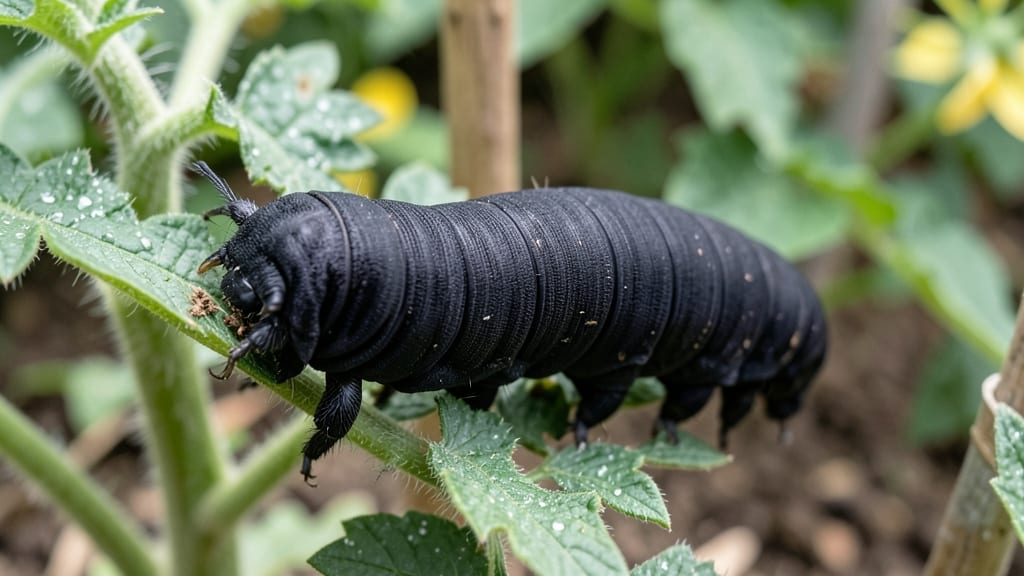
Black caterpillars devouring your tomato plants can turn a thriving harvest into a sad memory overnight. 🌱 I’ve watched entire vines stripped bare in just a few days—until I learned these fast organic removal techniques that actually work without chemicals.
The key is acting quickly before the damage spreads beyond repair.
Most of these black caterpillars are hornworms, those 3-inch monsters with white diagonal stripes. They hide under leaves during the day, making them hard to spot until your plants look like lace.
The good news? Manual removal is effective, and natural predators like parasitic wasps can handle the rest if you give them a chance.
Within 24 hours of targeted action—like handpicking, using neem oil, or introducing beneficial insects—you’ll see fresh leaves reappear. My plants bounced back faster than I expected, and the tomatoes kept producing like nothing happened. The secret is consistency, not chemicals.
This works for backyard gardens, containers, or even small urban plots. No need for fancy tools—just your hands, some patience, and a few organic tricks. Let’s get those caterpillars off your tomatoes before they ruin your season.
Root Causes of Black Caterpillars
Black caterpillars munching on your tomato plants aren’t just a random nuisance—they’re often the result of specific conditions that attract or encourage their presence. Understanding why these pests show up in the first place is the first step toward preventing and managing them effectively.
Below, we break down the most common triggers, from environmental factors to plant health, so you can address the real issues at play.
Black caterpillars, particularly hornworms (a common culprit), are drawn to tomato plants that already have soft, overripe, or injured fruit. Here’s why:
- Sugar and moisture signals: Ripe tomatoes release volatile organic compounds (VOCs) that caterpillars detect from a distance. These compounds act like a dinner bell, luring them to feast.
- Easy entry points: Cracks, bruises, or splits in tomato skin create weak spots where caterpillars can burrow in undetected. A single hole is all they need to start devouring the flesh.
- Fungal attraction: Overripe fruit often develops mold or fermentation, which some caterpillar species (like tomato fruitworms) find irresistible.
Actionable fix: Harvest tomatoes as soon as they ripen to avoid leaving them vulnerable. Prune branches with damaged fruit immediately, and consider mulching to protect soil-borne fruit from direct contact with pests.
Stressed or nutrient-deficient tomato plants are far more attractive to caterpillars because they’re easier to overpower. Here’s how plant health plays a role:
| Stress Factor | Why It Helps Pests |
|---|---|
| Nitrogen deficiency | Plants produce less bitter alkaloids (natural pest deterrents), making them a softer target. |
| Overwatering | Soggy soil weakens roots, reducing the plant’s ability to fend off herbivores. Plus, damp leaves create ideal hiding spots for caterpillar eggs. |
| Drought stress | Thirsty plants prioritize survival over defense, dropping protective compounds like glycoalkaloids that deter caterpillars. |
| Pest/disease history | Previously compromised plants (e.g., with aphids or blight) are more likely to attract secondary pests like caterpillars. |
Actionable fix: Conduct a soil test to check nutrient levels, and adjust watering to keep soil consistently moist but not waterlogged. Use compost tea or fish emulsion to boost natural defenses.
Female moths (the caterpillars’ adult form) are selective about where they deposit eggs. If your tomato plants are near these high-risk zones, you’re likely to see an infestation:
- Undersides of leaves: Hornworm moths prefer to lay eggs on smooth, lower leaves where humidity is higher and predators (like birds) are less likely to spot them.
- Weedy or wild host plants: Plants like tobacco, eggplant, and pepper act as "magnet plants" for moths. If these grow nearby, your tomatoes become collateral damage.
- Sheltered areas: Eggs thrive in shady, protected spots (e.g., under drip irrigation lines or dense foliage), where temperature and moisture stay stable.
Actionable fix: Inspect leaves daily (especially at dawn) for tiny green or yellow eggs (hornworm) or white, fuzzy clusters (tomato fruitworm). Remove eggs manually with a soft brush or soapy water. 💡 Pro tip: Plant basil or marigolds around tomatoes to repel moths naturally.
Black caterpillars like hornworms and fruitworms have one speed: fast. Warm temperatures (above 75°F) and high humidity create the perfect storm for their lifecycle:
- Faster egg hatching: Eggs can hatch in 2–5 days in ideal conditions, compared to weeks in cooler weather.
- Rapid growth: Caterpillars molt every 5–7 days in warm climates, reaching full size (and appetite) in 2–3 weeks.
- Moth activity peaks: Adult moths are most active at dusk and dawn when temperatures are mild, increasing egg-laying opportunities.
Actionable fix: Monitor weather forecasts and act early if a heatwave is predicted. Use row covers or neem oil sprays (applied at dusk) to disrupt mating and egg-laying cycles. ✨ Bonus: Encourage parasitic wasps (natural predators) by avoiding pesticides.
By tackling these root causes—fruit attractants, plant stress, egg-laying conditions, and weather patterns—you’ll disrupt the caterpillar lifecycle before it starts. The key is proactive care, not just reactive damage control.
Quick Fixes for Garden Pests
Spotting black caterpillars munching on your tomato plants can feel like a nightmare, but don’t panic—these critters are manageable with the right approach. The key is acting fast while keeping your garden (and your tomatoes!) safe from harm.
Below, we’ve broken down solutions by the most common causes, so you can tackle the problem head-on without chemicals. Plus, we’ll share prevention tips to keep your plants thriving long-term.
If your caterpillars are large, green, or black with white stripes (likely hornworms), they’re voracious eaters that can strip a plant overnight. Here’s how to evict them:
🍳 Manual Removal (Best for Small Infestations)
- 🕵️♂️ Scout at dawn or dusk when hornworms are sluggish.
- 👨🍳 Grab a pair of gloves or tongs—these caterpillars have tiny spines that can irritate skin.
- 🔪 Drop them into soapy water (a bucket with a few drops of dish soap) to dispatch them humanely.
- 🌱 Check daily—hornworms reproduce quickly, so repeat until no more are found.
🐛 Natural Predators: Let Nature Help
- 🐞 Encourage ladybugs, lacewings, and parasitic wasps (they lay eggs inside hornworms—yikes, but effective!).
- 🌿 Plant basil or dill nearby—these attract beneficial insects that hunt hornworms.
🌡️ Organic Sprays (Last Resort)
If the infestation is severe, try:
- 💡 Spinosad spray (derived from soil bacteria—safe for humans but deadly to caterpillars).
- 🌿 Neem oil (disrupts their feeding and growth; mix 1 tbsp neem oil + 1 tsp mild soap in 1 quart water, spray at night).
These black or dark brown caterpillars hide under leaves by day and chew stems at night. They’re sneaky but beatable!
🔦 Light Traps (For Heavy Infestations)
- 💡 Set up a DIY light trap: Place a white sheet near your plants and shine a flashlight on it at night. Cutworms will crawl toward the light—just scoop them up in the morning.
- 🌙 Repeat for 3–5 nights to break their cycle.
🛡️ Physical Barriers (Prevent Future Damage)
- 📦 Wrap tomato stems with cardboard collars (cut open toilet paper rolls or use egg cartons) to block cutworms from chewing.
- 🌱 Use reflective mulch (aluminum foil or silver plastic) around plants—it confuses them and deters laying eggs.
🌿 Companion Planting
- 🌿 Plant marigolds or garlic nearby—their strong scent repels cutworms.
- 🌱 Avoid planting tomatoes near corn or wheat stubble (cutworms love these as hosts).
An ounce of prevention is worth a pound of cure. Here’s how to make your tomato patch less appealing:
💡 Garden Hygiene
- 🧹 Remove garden debris (old leaves, plant residue) where caterpillar eggs hide.
- 🌱 Rotate crops yearly—don’t plant tomatoes in the same spot to break pest life cycles.
🌿 Organic Deterrents
- 🌿 Sprinkle diatomaceous earth (food-grade only!) around plants—it’s a natural abrasive that dehydrates caterpillars.
- 🍋 Spray citrus or garlic spray (blend 1 cup garlic/peels + 1 quart water, strain, and spray on leaves).
🕰️ Timing Matters
- 🌱 Plant early or late in the season—caterpillars thrive in warm weather, so avoid peak summer plantings.
- 🍅 Harvest tomatoes promptly—ripe fruit attracts pests, so pick them as soon as they’re ready!
- 🔍 Inspect plants weekly—catch eggs (tiny white clusters) before they hatch!
- 🐝 Support pollinators—healthy bees and birds keep caterpillar populations in check.
- 🌱 Grow resistant varieties—look for tomato types like ‘Cherokee Purple’ or ‘Mountain Merit’ that pests avoid.
With these strategies, your tomato plants will stay lush, and those black caterpillars won’t stand a chance. Happy gardening—and enjoy your homegrown harvest! 🍅🌿
Frequently asked questions about black caterpillars on tomato plants
Are those black caterpillars actually harmful to my tomato plants?
Yes, they can be devastating! Most black caterpillars on tomatoes are either hornworms or tomato fruitworms, which can strip entire leaves overnight. They also burrow into fruit, making it inedible. The damage often appears worse than it is—act quickly to save your harvest.
How do I tell if the caterpillars are hornworms or something else?
Hornworms are large (up to 4 inches), black or green with white diagonal stripes, and have tiny spines. Fruitworms are smaller, black with white spots, and often hide inside tomatoes. Check leaf undersides at dawn—they’re most active then.
Can I use soap spray to kill these caterpillars?
Yes, but use it carefully! Mix 1 tablespoon mild liquid soap with 1 quart water and spray directly on caterpillars (avoid blooms). Reapply every 3-5 days—it works by suffocating them, but won't kill eggs. Best for small infestations.
Will my tomato plants recover if I remove the caterpillars?
Tomato plants are resilient. Remove caterpillars immediately and prune heavily damaged leaves. Within 1-2 weeks, new growth will appear. For severe damage, fertilize with compost tea to help recovery—just avoid nitrogen-heavy fertilizers.
Are there any chemical-free ways to prevent future infestations?
Yes! Plant basil, marigolds, or dill nearby—they repel moths naturally. Also try reflective mulch (aluminum foil) or row covers early in the season. Remove garden debris regularly to eliminate egg-laying sites.