
Vegetables
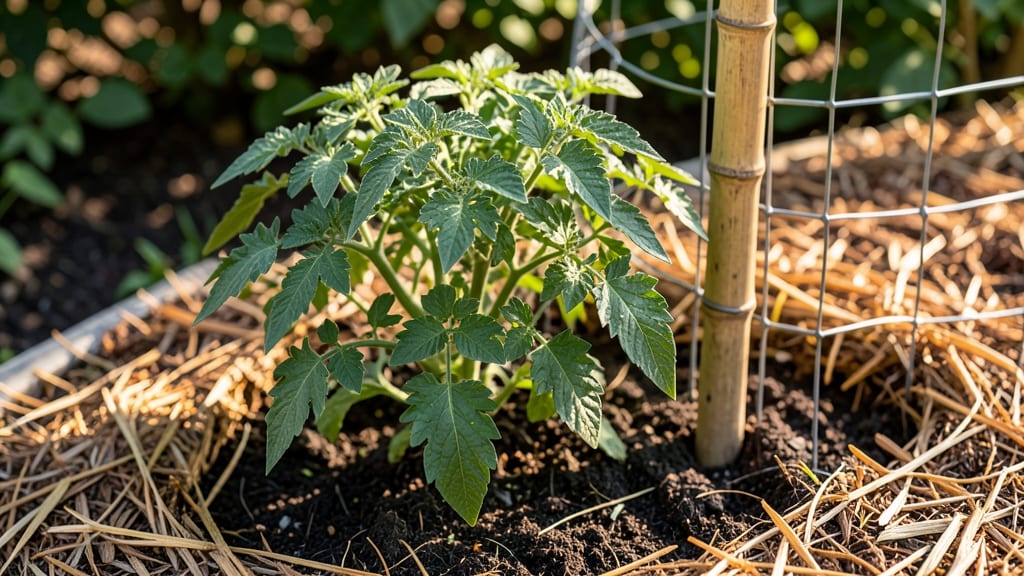
Deciding between determinate and indeterminate Black Beauty tomatoes can make or break your harvest. 🌱 The difference isn’t just in how they grow—it’s in how they fit into your garden, your space, and even your dinner plans.
Determinate types stay compact, while indeterminate ones climb like vines, but both produce the same rich, dark fruit you love. Here’s how to choose the right one for your setup.
Determinate Black Beauties grow in neat, bushy shapes, perfect for small spaces or containers. They ripen all at once, making them great for canning or selling at farmers' markets. Indeterminate varieties, though, keep producing new fruit all season long—ideal if you want a steady supply for fresh eating or salads.
The trade-off? Indeterminates need staking or trellises to handle their sprawling growth, while determinates stand alone.
Your garden’s space and your goals will decide which wins. Want a quick, heavy harvest in summer? Go determinate. Prefer a slow-and-steady supply all season? Choose indeterminate.
Either way, you’ll end up with tomatoes so deep purple-black they look like they’re from a fantasy novel—just don’t forget to prune and support them properly, or you’ll lose out on flavor and yield.
Here’s the kicker: both types thrive in the same conditions—full sun, rich soil, and consistent water. The real difference is in how you manage them. Start with your space and what you want from your harvest, and you’ll pick the perfect Black Beauty for your garden.
Ready to grow the best tomatoes you’ve ever tasted?
📚 In This Guide
- What you need
- Instructions
- Tips and common mistakes
- Wrapping up and next steps
What you need
- ● Seeds or Seedlings: Black Beauty tomato seeds (determinate or indeterminate, depending on your preference) or young plants from a nursery.
- ● Growing Containers: For determinate varieties: 5-gallon pots or fabric grow bags (1 plant per container).
- ● For indeterminate varieties: 10-15 gallon containers or in-ground space (1 plant per 2–3 sq ft).
- ● Potting Mix: High-quality, well-draining organic mix (e.g., 60% peat moss, 20% compost, 20% perlite or vermiculite).
- ○ Support Structures: Determinate: Optional stakes (4–6 ft tall) or cages (2–3 ft).
- ● Indeterminate: Tall trellis (6–10 ft), tomato cages (5–7 ft), or sturdy stakes (6+ ft).
- ● Fertilizer: Balanced organic fertilizer (10-10-10) or compost tea for transplanting and a low-nitrogen, high-phosphorus blend (5-10-10) during flowering.
- ● Mulch: Straw, grass clippings, or black plastic mulch to retain moisture and suppress weeds.
- ● Tools: Hand trowel
- ● Pruning shears
- ● Garden gloves
- ● Watering can or hose with a gentle nozzle
- ● Drip irrigation system for consistent watering.
- ● Copper tape or pruning paint to seal cuts and prevent disease.
- ● Shade cloth (30–50%) for hot climates to protect young plants.
- ● Tomato cages with wider bases for better stability with indeterminate varieties.
- ● Soil moisture meter to monitor watering needs.
How to choose and grow Black Beauty tomatoes: determinate vs indeterminate
Let’s settle the debate once and for all—because picking the right tomato type makes all the difference in flavor, yield, and effort.
🌱 Step 1: Understand the Growth Habits
Black Beauty tomatoes are indeterminate, meaning they grow continuously until frost, producing fruit all season long. Their vines can climb 10+ feet if supported, and each plant yields 15-20 pounds of fruit. This makes them perfect for gardeners with space and patience—think trellises, cages, or sturdy stakes.
If you prefer determinate tomatoes (like 'Roma' or 'Celebrity'), they grow bushy and stop at 3-5 feet, producing a single flush of fruit in 70-80 days. They’re easier for containers or small spaces but won’t keep producing like indeterminates. Black Beauty’s indeterminate nature means you’ll harvest until the first frost—imagine fresh tomatoes in late fall!
☀️ Step 2: Plan Your Support System
Indeterminate Black Beauty tomatoes need strong support—think 6-foot cages, trellises, or tall stakes. I use wooden tomato cages because they’re sturdy and last multiple seasons. Install them right after transplanting so roots don’t disturb later. If using stakes, drive them 18-24 inches deep and tie vines with soft cloth or twine every 10-12 inches as they grow.
Determinate varieties? They’re self-supporting but benefit from small cages or stakes to prevent sprawling. Black Beauty’s sprawling habit means no skipping support—you’ll regret it when vines topple under fruit weight. Pro tip: Add a second stake mid-season if the plant leans heavily one way.
💧 Step 3: Water and Feed for Maximum Yield
Black Beauty tomatoes thrive with deep, consistent watering—1-2 inches per week, especially during flowering and fruiting. Water at the base, not the leaves, to prevent disease. I use a drip irrigation system to keep soil evenly moist without wetting foliage. Let the top 2 inches of soil dry between waterings to encourage deep roots.
Feed with a balanced fertilizer (10-10-10) at planting, then switch to a low-nitrogen, high-phosphorus (5-10-10) when flowers appear. I add compost tea every 2 weeks for a natural boost. Over-fertilizing leads to leafy growth but fewer tomatoes—so follow the half-strength rule for liquid feeds.
✂️ Step 4: Prune for Airflow and Fruit Quality
Pruning indeterminate Black Beauty tomatoes isn’t optional—it’s how you maximize fruit size and prevent disease. Remove suckers (the shoots between the main stem and branches) when they’re 2-3 inches long. I pinch them off with my fingers (no need for shears) to avoid tearing the stem. Leave 2-3 main stems per plant for best airflow and sunlight penetration.
Also, prune lower leaves up to 12 inches from the ground to keep the plant’s base dry. This reduces blight risk and makes harvesting easier. Don’t go overboard—20-30% of foliage is ideal. You’ll see bigger, sweeter tomatoes with better color when you prune correctly.
🍅 Step 5: Harvest and Extend the Season
Black Beauty tomatoes ripen unevenly, so check plants every 2-3 days starting in late summer. Pick when they’re fully colored (deep purple-black) and slightly soft to the touch. Use garden shears to avoid damaging the vine. I harvest in the early morning for the best flavor—cooler temps preserve sweetness.
To extend the season, cover plants with row fabric on cold nights (below 50°F). This protects blossoms and keeps tomatoes producing until frost. Even in fall, Black Beauty tomatoes can keep yielding if given care—just like their indeterminate reputation promises!
Tips & tricks for growing Black Beauty tomatoes like a pro
Here's what nobody tells you about growing these incredible indeterminate varieties—tricks that'll have you harvesting until frost!
Support System Secrets: When installing your 6-foot cages or stakes right after transplanting, bury them 18-24 inches deep and pack soil firmly around the base. This creates a stable anchor that won't wobble when vines get heavy with fruit. I've seen plants topple when stakes weren't buried deep enough—don't make that mistake! The key is getting support in place while roots are still establishing.
Watering Wisdom: That 1-2 inches per week guideline is perfect, but timing matters just as much. Water in the early morning so foliage dries completely by evening, preventing fungal diseases. I've noticed a dramatic difference in blight resistance when I stick to this schedule—especially during humid summer months. Let the top 2 inches of soil dry between waterings to encourage deep root growth that can support those heavy tomato loads.
Pruning Payoff: When you're pinching off those 2-3 inch suckers, don't just grab any shoot—look for the ones growing between the main stem and branches. These are the true suckers that drain energy from fruit production. I've seen gardeners accidentally remove productive side shoots, which actually help with fruit bearing. Leave 2-3 main stems and prune aggressively only on the lower 12 inches to keep the plant's base dry and disease-free.
Season Extension Hack: Those cold nights below 50°F can be deadly for blossoms, but row fabric is your secret weapon. Cover plants in the evening and remove it during the day to maintain airflow. I've kept Black Beauty tomatoes producing right up until our first frost using this method—even when temps dipped into the 40s! The fabric acts like a cozy blanket while still allowing sunlight through.
Pro Tips for Black Beauty Tomato Determinate Or Indeterminate
- Here's what nobody tells you about growing these incredible indeterminate varieties—tricks that'll have you harvesting until frost!
- Support System Secrets: When installing your 6-foot cages or stakes right after transplanting, bury them 18-24 inches deep and pack soil firmly around the base.
- Watering Wisdom: That 1-2 inches per week guideline is perfect, but timing matters just as much.
Frequently asked questions
Got questions about growing Black Beauty tomatoes? Whether you're a first-time gardener or a seasoned pro, these answers will help you navigate determinate vs. indeterminate varieties like a pro!
What’s the difference between determinate and indeterminate Black Beauty tomatoes?
Determinate Black Beauty tomatoes grow in a compact bush (3–4 ft tall) and produce fruit all at once, making them ideal for canning or fresh harvests. Indeterminate varieties (6–8 ft tall) vine continuously, yielding tomatoes over a longer season—perfect for extended fresh eating or sauces. Choose based on your space and goals!
When should I plant Black Beauty tomatoes for the best yield?
Start seeds indoors 6–8 weeks before your last frost date. Transplant seedlings outdoors after soil warms to 55°F+ and nighttime temps stay above 50°F. For indeterminate varieties, give them longer growing seasons (90+ days) since they vine and produce later. Determinate types mature faster (70–80 days), so plant them slightly earlier if frost is a concern.
Can I grow Black Beauty tomatoes in containers? If so, what size?
Yes! Determinate varieties thrive in 5-gallon containers (they’re bushy but manageable). Indeterminate types need 10+ gallons and sturdy stakes or cages (6 ft tall). Use well-draining soil, fertilize regularly, and prune suckers to encourage airflow. Just ensure containers get 6–8+ hours of sun daily for optimal fruit production.
Why are my Black Beauty tomatoes cracking or splitting?
Cracking usually happens due to inconsistent watering—soaking dry soil, then letting it dry out again. Indeterminate varieties are more prone since they produce fruit over time. Fix it by mulching to retain moisture, watering deeply (1–2 inches per week), and harvesting overripe tomatoes promptly. For determinate types, even watering during the fruit-swelling phase (6–8 weeks after flowering) helps prevent splits.
Are there disease-resistant alternatives to Black Beauty tomatoes?
If you love Black Beauty’s flavor but want fewer pests, try determinate varieties like ‘Mountain Merit’ (resistant to verticillium wilt, fusarium) or indeterminate ‘Black Krim’ (tolerates cracking better). For containers, ‘Tiny Tim’ (determinate) or ‘Sungold’ (indeterminate) are hardy picks. Always rotate crops yearly to prevent soil-borne diseases!
Wrapping up and next steps
Choosing between determinate and indeterminate Black Beauty tomatoes depends on your garden goals—whether you crave compact, early harvests or sprawling, long-season bounty. Both types thrive with the right care, so trust your space, climate, and patience to guide your decision. 🌱
Ready to grow? Start by selecting healthy seedlings or seeds, then dive into planting—your future tomato feast awaits! 🌟 Check out our planting checklist to kick off your garden adventure.