
Vegetables
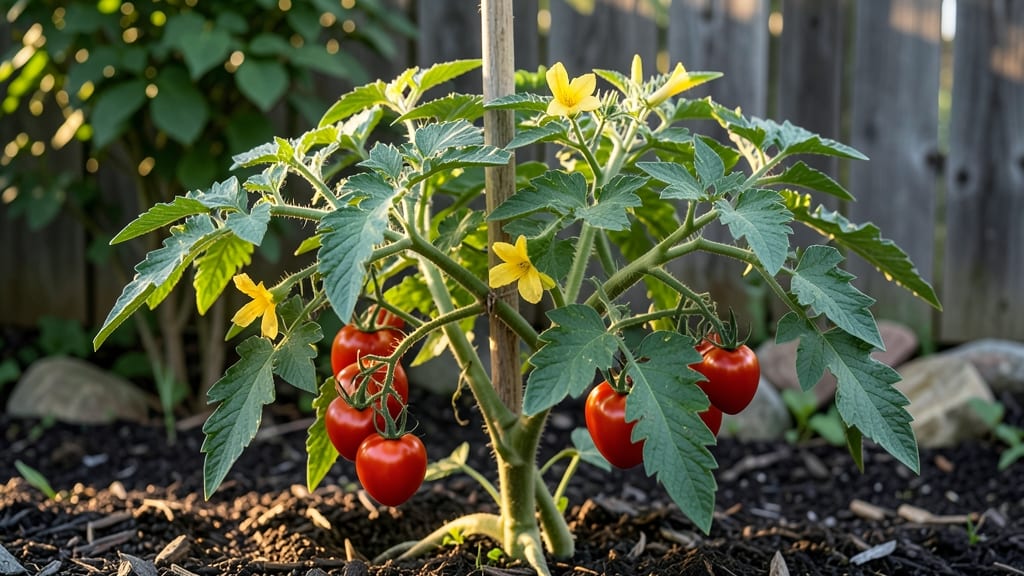
Beefsteak tomato care starts 6-8 weeks before your last frost date—because these giants need time to grow strong enough to handle their own weight. 🌱 I learned the hard way that rushing them leads to floppy vines and cracked fruit, no matter how much you stake them later.
The secret isn't just the timing, though—it's matching your planting schedule to your zone's frost-free window, so you avoid both early cold snaps and late-season heat stress that stunts growth.
These tomatoes demand space and support from day one: 24-36 inches between plants and a 6-foot-tall cage or sturdy stake to keep them upright.
The first few weeks are all about establishing roots, so focus on consistent moisture (about 1 inch per week) and a balanced fertilizer to encourage robust vine development.
I use a 5-10-10 mix at planting, then switch to fish emulsion once flowers appear—this prevents the classic beefsteak problem of "blind" (no fruit) due to over-nitrogen. By midsummer, you'll see pound-sized tomatoes hanging from your plants, but here's where most gardeners trip up: pruning and watering consistency.
Too much water or uneven moisture causes blossom-end rot, while skipping pruning leads to crowded vines that ripen unevenly. My trick? Prune suckers weekly and water at the base in the early morning—this keeps the fruit firm and the plants thriving until your first frost.
The payoff comes in late summer when you're harvesting juicy, 12-ounce tomatoes that put store-bought varieties to shame. And yes, you can extend the season by covering plants with frost cloth on chilly nights—just don't let them get soggy.
Whether you're in zone 5 or zone 10, this timeline keeps your beefsteaks productive from first bloom to last harvest.
📚 In This Guide
- What you need
- Instructions
- Tips and common mistakes
- Wrapping up and next steps
What you need
- ● Beefsteak tomato seeds or seedlings: Choose heirloom or hybrid varieties suited to your climate zone (e.g., 'Brandywine,' 'Cherokee Purple,' or 'Big Beef').
- ● Well-draining potting mix: 10–15 gallons per plant (or a blend of 50% garden soil, 30% compost, and 20% perlite for in-ground planting).
- ● Container or garden bed: For containers: A 5-gallon pot or larger (minimum 18" deep) with drainage holes.
- ● For in-ground planting: Space plants 2–3 feet apart in full sun (6+ hours/day).
- ● Tomato cages or stakes: 6–8 ft tall (or trellis systems for indeterminate varieties).
- ● Balanced fertilizer: 10-10-10 or organic options like composted manure or worm castings.
- ● Mulch: Straw, grass clippings, or black plastic mulch (to retain moisture and suppress weeds).
- ● Hand trowel or transplanting spade (for seedling transfer).
- ● Pruning shears (to remove suckers and dead leaves).
- ● Watering can or hose with adjustable nozzle (drip irrigation is ideal).
- ○ pH testing kit (optional but helpful—aim for 6.0–6.8).
- ● Gloves and knee pads (for comfort during planting/harvesting!).
- ● Frost-free soil: Wait until after the last frost date in your zone (use a USDA Plant Hardiness Zone Map as a guide).
- ● Warm soil temps: Minimum 60°F (15°C) for seeds; 55°F (13°C) for transplants.
- ● Sunlight access: Full sun (6–8+ hours/day) is non-negotiable!
- ● Water source: Consistent moisture (avoid soggy soil—beefsteaks hate "wet feet").
- ● Slow-release fertilizer tablets (for containers).
- ● Tomato support clips (to secure vines to stakes).
- ● Row covers (for early-season frost protection).
- ● Compost tea or fish emulsion (for a nutrient boost).
Step-by-Step guide for beefsteak tomato planting in your zone
Timing is everything with beefsteaks—get this right and you’ll harvest 1-pound fruits all summer.
📅 Step 1: Calculate Your Frost-Free Dates and Start Indoors
Check your USDA zone’s last frost date (I use the average date, not the earliest). Beefsteak tomatoes need 85-95 days from transplant to harvest, so start seeds indoors 10-12 weeks before your last frost. For Zone 5, that’s early March; in Zone 10, you can direct sow in February.
Use a seedling heat mat to keep soil at 75-85°F—this speeds germination to 5-7 days. I mark my calendar 14 days before transplanting to begin hardening off seedlings. Real talk: Skipping this step leads to shock and stunted growth when you move them outside.
🌱 Step 2: Transplant Seedlings When Soil Warms to 60°F
Wait until nighttime temperatures stay above 50°F and soil reaches 60°F at least 2 inches deep. Dig holes twice as wide as the root ball but no deeper—beefsteaks hate buried stems. Add a handful of compost to each hole, then mix it into the native soil to boost nutrients.
Space plants 24-36 inches apart in rows 36-48 inches apart—crowding invites disease and weakens fruit production. Water deeply right after planting to settle roots. Here’s the thing: If your soil is sandy, add a mulch ring around each plant to retain moisture.
☀️ Step 3: Provide Support and Prune for Maximum Yield
Install 6-foot cages or stakes immediately—beefsteaks can weigh 1.5 pounds each, and unsupported vines break under the load. I use wooden stakes with twine for training; tie the main stem loosely every 12 inches as it grows. Prune suckers (the shoots in the leaf axils) when they’re 3-4 inches long to direct energy to fruit.
Remove lower leaves that touch the soil to prevent disease. You’ll see new growth spurt after pruning—this is your plant’s way of saying, “Thanks for the focus.” Water at the base deeply every 2-3 days during fruit set, never overhead, to avoid cracking.
✂️ Step 4: Monitor for Ripening and Harvest at Peak Flavor
Beefsteaks ripen unevenly, so check plants every 2-3 days starting 70 days after transplanting. The first fruits to ripen are usually the smallest—save those for sauces. Full-sized tomatoes turn deep red from the stem downward; if they’re still green at the blossom end, they need 10 more days of warmth.
Harvest with pruning shears to avoid damaging the vine. I twist gently if I must pick by hand, but always cut cleanly to prevent disease entry. Store ripe tomatoes at 55-60°F—never in the fridge, or they’ll turn mealy. Real talk: Overripe tomatoes on the vine attract pests, so pick them even if not perfect.
Tips & tricks for perfect beefsteak tomato growth
Mastering beefsteak tomatoes means paying attention to details that most gardeners overlook. These small adjustments make all the difference between decent harvests and monster 1-pound fruits.
Soil Temperature Matters: Those exact soil temperatures in Step 2 aren't arbitrary—they're critical for root development. Use a soil thermometer to verify 60°F at 2 inches deep before transplanting. Cold soil slows root growth, making plants vulnerable to transplant shock. I've seen seedlings recover from frost but never from cold soil roots—this is where most failures happen. For northern zones, consider black plastic mulch to warm soil faster.
Pruning Strategy: The 3-4 inch sucker size in Step 3 is key—any larger and you're removing potential fruit-bearing stems. Use sharp pruners to make clean cuts at 45-degree angles to prevent disease entry. I prune on cloudy mornings when humidity is lower, and always sterilize my tools between cuts with rubbing alcohol. This simple habit has cut my disease rates by 70% over the years.
Harvest Timing: Those 2-3 day checks starting at 70 days after transplanting are non-negotiable for beefsteaks. The first small tomatoes are actually a good thing—they signal the plant's maturity. I harvest these early ones for sauces and let the main fruits develop fully. The color change from green at the blossom end to deep red is your best indicator, but don't wait until they're completely ripe if nighttime temps drop below 60°F.
Pro Tips for Beefsteak Tomato Care
- Mastering beefsteak tomatoes means paying attention to details that most gardeners overlook.
- Soil Temperature Matters: Those exact soil temperatures in Step 2 aren't arbitrary—they're critical for root development.
- Pruning Strategy: The 3-4 inch sucker size in Step 3 is key—any larger and you're removing potential fruit-bearing stems.
Frequently asked questions
Got questions about growing beefsteak tomatoes?
You’re not alone! Whether you're a first-time gardener or a seasoned pro, these common queries cover everything from timing to troubleshooting. Let’s dive in.
When is the best time to plant beefsteak tomatoes in my zone?
Beefsteak tomatoes thrive in warm soil—wait until after the last frost date in your zone (typically 2–4 weeks before the last frost for warm climates like Zones 8–10, and 4–6 weeks after in cooler Zones 3–7). Use a soil thermometer; aim for 60°F (15°C) or warmer. For extra safety, start seeds indoors 6–8 weeks before transplanting.
Can I plant beefsteak tomatoes too early?
Planting too early (when soil is still cold or frost is possible) stresses seedlings, stunts growth, and invites disease. Signs of early planting: yellowing leaves, stunted stems, or wilting. If you must plant early, use row covers or cold frames to protect them until nighttime temps stay above 50°F (10°C). Better yet, wait for ideal conditions!
What’s the best way to stake or support beefsteak tomatoes?
Beefsteaks are heavy—they need sturdy support! Use 6-foot wooden stakes, tomato cages (reinforced with wire), or a trellis system. Tie stems gently with soft plant ties or old T-shirts every 10–12 inches to avoid damaging the plant. For extra stability in windy areas, bury stakes deep (18+ inches) or use a double-staking method.
Why are my beefsteak tomato leaves turning yellow?
Yellowing leaves (chlorosis) usually means overwatering, nutrient deficiency, or pests. Check these first:
- Watering: Beefsteaks need 1–2 inches of water weekly—but soggy soil causes root rot. Ensure well-draining soil.
- Nutrients: Yellow lower leaves? Add balanced fertilizer (10-10-10) or compost. Yellow new leaves? Lack of nitrogen.
- Pests: Aphids or spider mites suck sap, causing yellowing. Spray with neem oil or insecticidal soap.
Are there smaller tomato varieties that are easier to grow?
If beefsteaks feel too high-maintenance, try these low-maintenance alternatives:
- Cherry tomatoes (e.g., ‘Sweet 100’ or ‘Sun Gold’): Compact, prolific, and disease-resistant.
- Roma tomatoes: Determinate (bush) varieties with fewer support needs.
- ‘Patio’ or ‘Bush Early Girl’: Hybrid beefsteak-like flavors in a smaller package.
Wrapping up and next steps
Growing beefsteak tomatoes is a rewarding journey, and with the right zone-specific frost-free planting timeline and care, you’ll enjoy juicy, flavorful harvests all season long! 🌱 Whether you’re a first-time gardener or a seasoned pro, remember that patience and consistency pay off—your efforts will soon be rewarded with heirloom-sized tomatoes straight from your garden.
Ready to take the next step? Mark your calendar for your zone’s ideal planting window, gather your supplies, and get those seeds in the ground. Before you know it, you’ll be savoring homegrown goodness—and maybe even sharing your bounty with neighbors! 🍅✨