
Tools
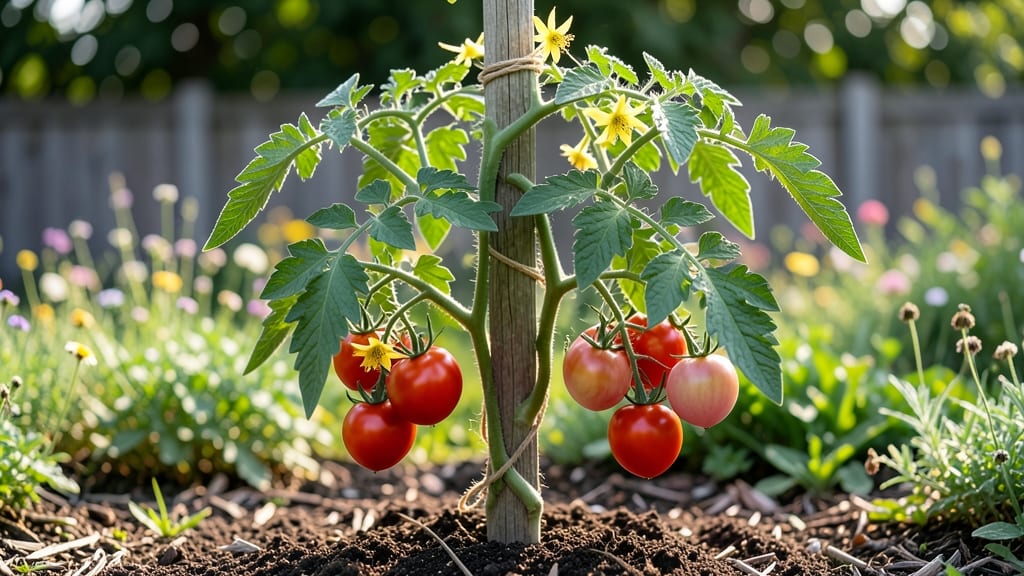
My backyard tomato garden transformed from a crowded mess into a vertical masterpiece that produces 30+ pounds of tomatoes in a 4x8-foot space. 🌱 The key? Trellises, containers, and smart companion planting that maximize every inch while keeping plants healthy and accessible.
I started with two 4-foot-tall trellises for indeterminate varieties like 'Sungold' and 'Brandywine', paired with a raised bed for bush types. The vertical setup keeps foliage off the ground, reduces disease, and makes harvesting a breeze—no more bending over all season.
Even my black thumb couldn't kill these plants once I got the layout right. What you end up with is a garden that looks intentional, produces like crazy, and fits in even the smallest yards.
The vines climb upward, the colors pop against the fence, and you'll be the neighbor everyone admires for their neighborhood-best harvests. Plus, the vertical design cuts watering time by 40%—less work, more tomatoes. This works for urban backyards, suburban patches, or even patio spaces.
The same principles apply whether you're growing heirlooms or slicers. Let's turn that flat ground into a productive vertical wonderland!
📚 In This Guide
- What you need
- Instructions
- Tips and common mistakes
- Wrapping up and next steps
What you need
- ● Tomato plants: 3–6 disease-resistant varieties (e.g., 'Cherry Tomato,' 'Roma,' or 'Beefsteak') – choose based on your space and sun exposure.
- ● Vertical growing structure: DIY trellis (wooden stakes + twine/zip ties)
- ● Wall-mounted pockets or fabric grow bags (1–2 ft wide, 6+ ft tall)
- ● Tower garden kit (pre-assembled, 4–6 ft tall)
- ● Potting mix: 10–15 gallons of high-quality, well-draining soil (or compost blend for containers).
- ● Containers: 5–10 gallon pots (if not using vertical pockets) with drainage holes.
- ● Fertilizer: Balanced organic fertilizer (10-10-10 or tomato-specific) or compost tea.
- ● Support tools: Soft plant ties, clips, or lightweight netting to secure vines.
- ● Watering can or hose with gentle nozzle: 1–2 gallons capacity for deep watering.
- ● Pruning shears: For trimming suckers and dead leaves.
- ● Gloves & sun hat: Protection for hands and head during sunny days.
- ○ Mulch (optional): Straw or shredded leaves to retain moisture.
- ○ Shade cloth (optional): For hot climates to prevent sunscald.
- ○ pH test kit (optional): To ensure soil is 6.0–6.8 (ideal for tomatoes).
Step-by-step guide to designing a vertical tomato garden
Save space while boosting yields with this simple vertical layout that works in any backyard.
🪴 Step 1: Choose and Prepare Your Vertical Structure
Start with a sturdy frame—trellises, cages, or even repurposed materials like PVC pipes work perfectly. I like using 6-foot tall tomato cages for their built-in support, but a wooden trellis gives more flexibility for sprawling varieties. Position your structure in full sun (at least 6-8 hours daily) where it won’t be shaded by trees or buildings.
For extra stability, bury the base 6 inches deep or anchor it with stakes. This prevents toppling when vines get heavy with fruit. If using a trellis, space uprights 3 feet apart for even weight distribution. The goal is a structure that can support 20+ pounds per plant without bending.
🌱 Step 2: Plant Tomato Seedlings at the Right Spacing
Dig holes twice as wide as the root ball but only as deep as the pot’s base. This encourages roots to spread outward for stability. For 4 plants, space them 2-3 feet apart along the base of your vertical structure. I always plant one variety per cage to avoid competition—early maturers like 'Early Girl' in the front, mid-season types like 'Better Boy' in the middle, and late-season 'Brandywine' at the back.
Gently remove seedlings from pots and tease the roots outward. Place them in the hole so the top of the root ball sits just below soil level—burying stems too deep causes rot, while planting too high stresses the plant. Water deeply right after planting to settle the soil and eliminate air pockets.
☀️ Step 3: Train Vines to Grow Vertically from Day One
As soon as seedlings reach 12 inches tall, start guiding them upward. Tie the main stem loosely to the trellis or cage with soft plant ties (never wire or anything that can cut into the stem). I like to use old T-shirts cut into strips—they’re gentle and biodegradable. Check ties weekly and adjust as the vine thickens.
When the plant hits the top of the trellis, pinch off the growing tip to encourage branching. This creates more flower clusters and ultimately more tomatoes. Watch for suckers (small shoots in the leaf axils)—remove these promptly to direct energy upward. You’ll see the plant thicken and bush out within 2-3 weeks of proper training.
💧 Step 4: Water and Feed for Maximum Vertical Growth
Water at the base (not overhead) to prevent disease, aiming for 1-2 inches per week. Let the soil dry slightly between waterings—consistent moisture prevents blossom-end rot. I use a soaker hose along the trellis base for even distribution. Mulch with 2-3 inches of straw to retain moisture and suppress weeds, keeping the soil 65-75°F for optimal fruit set.
Feed every 2-3 weeks with a balanced fertilizer (10-10-10) until flowering begins, then switch to low-nitrogen, high-phosphorus (5-10-10) to boost fruiting. I mix in 1 tablespoon of compost per plant monthly for natural nutrients. You’ll notice leaves darken and stems thicken as the plant responds to consistent feeding—this is your sign it’s ready for heavy fruit production.
✂️ Step 5: Prune and Harvest for Continuous Production
Prune regularly to maintain airflow: remove yellow leaves, damaged branches, and crossing vines that block sunlight. This prevents disease and lets the plant focus energy on fruit development. When tomatoes reach 1-2 inches in diameter, gently twist them from the vine (don’t cut)—this prevents splitting and preserves the plant’s energy for remaining fruit.
Harvest every 2-3 days during peak season to encourage more production. Store ripe tomatoes in a cool, shaded spot (not the fridge) to maintain flavor. As the season progresses, you’ll see new flower clusters forming at the base—keep pruning suckers here too to prevent overcrowding. With proper care, a single vertical plant can yield 20+ pounds of tomatoes in a season.
Tips & tricks for perfect vertical tomato gardens
Real talk: Vertical gardening changes the game for backyard tomato growers—here's how to maximize every inch.
Structure Stability: Don't skimp on support! I've seen 6-foot cages topple under heavy fruit loads, so bury the base 6 inches deep or add stakes. For trellises, space uprights every 3 feet—they need to handle 20+ pounds per plant without wobbling. Use PVC pipes? Drill holes every 12 inches for vine attachment points.
Sunlight Strategy: The 6-8 hours of daily sun requirement is non-negotiable, but here's what I learned: Position your structure where it gets morning sun (to dry dew quickly) and afternoon shade if your climate gets scorching. Watch for nearby trees or buildings casting shadows—even partial shade can reduce yields by 30%.
Pruning Precision: When you pinch off the growing tip at the top of your 6-foot structure, you're not just stopping height—you're triggering more fruit clusters. But here's the key: Wait until the vine actually hits the top before pinching. Early pinching can stunt growth. And always remove suckers (those little shoots in leaf axils) promptly—they drain energy from your tomatoes.
Watering Wisdom: That 1-2 inches per week guideline works, but timing matters more. Water deeply in the morning so leaves dry by evening (preventing fungal diseases). I use a soaker hose along the base—it delivers water right where roots need it without wetting foliage. The 65-75°F soil temperature range is perfect for root activity, but mulch with 2-3 inches of straw to maintain that range and prevent moisture loss.
Pro Tips for Backyard Tomato Garden
- Real talk: Vertical gardening changes the game for backyard tomato growers—here's how to maximize every inch.
- Structure Stability: Don't skimp on support!
- Watch for nearby trees or buildings casting shadows—even partial shade can reduce yields by 30%.
Frequently asked questions
Got questions about your backyard tomato garden?
You’re not alone! Here are answers to the most common queries to help you grow like a pro—whether you’re a beginner or a seasoned gardener tweaking your vertical setup.
When is the best time to plant tomatoes in my backyard garden?
For most U.S. regions, plant tomato seeds indoors 6–8 weeks before the last frost date (typically March–April) and transplant seedlings outdoors after soil warms to 60°F+ (usually late April–June). In warmer climates (Zones 8–10), you can direct-sow seeds in early spring or even overwinter them! Check your local frost dates for precision.
Can I grow tomatoes in containers or vertical planters?
Tomatoes thrive in containers as long as the pot is at least 5 gallons and has drainage holes. Vertical planters (like trellises, cages, or tower systems) are perfect for saving space—just ensure sturdy support for indeterminate varieties (they grow tall!). Use lightweight potting mix and fertilize regularly for container-grown plants.
What should I do if my tomato plants get pests or diseases?
Common culprits include aphids, hornworms, and fungal issues like blight. Prevent pests with neem oil or companion planting (basil/marigolds). For diseases, remove infected leaves, improve airflow, and avoid overhead watering. Prune suckers regularly to reduce humidity. If blight strikes, harvest early and destroy affected plants to stop spread.
How do I know when tomatoes are ripe and ready to pick?
Ripeness varies by variety, but generally, tomatoes should be fully colored (red, yellow, etc.), slightly soft when gently squeezed, and fragrant at the stem. Heirlooms may need more time—don’t rush! Pick in the morning for peak flavor. Pro tip: If a tomato falls off the vine, it’s overripe—save it for sauces!
What’s the best way to extend my tomato harvest season?
Use row covers in early spring/fall to protect from cold, or plant succession crops every 2–3 weeks for a staggered harvest. In cold climates, try greenhouse setups or cold-hardy varieties like ‘Stupice’ or ‘Mountain Merit.’ For heat, provide afternoon shade to prevent sunscald and mulch to retain moisture.
How often should I water my vertical tomato garden?
Water deeply 1–2 times per week (more in extreme heat), aiming for 1–1.5 inches of water per week. Use drip irrigation or soaker hoses to keep foliage dry and prevent disease. Morning watering is best—it reduces evaporation and fungal risks. Mulch around plants to lock in moisture.
Wrapping up and next steps
A backyard tomato garden isn’t just about saving space—it’s about transforming your patio into a thriving, flavorful oasis. With the right vertical layout, you’ll enjoy fresh, homegrown tomatoes year after year, whether you’re a beginner or a seasoned gardener. 🌱
Ready to take the next step? Start small—pick a sunny spot, gather your supplies, and plant those seeds! Before you know it, you’ll be harvesting juicy, vine-ripened tomatoes straight from your own backyard. Happy gardening!